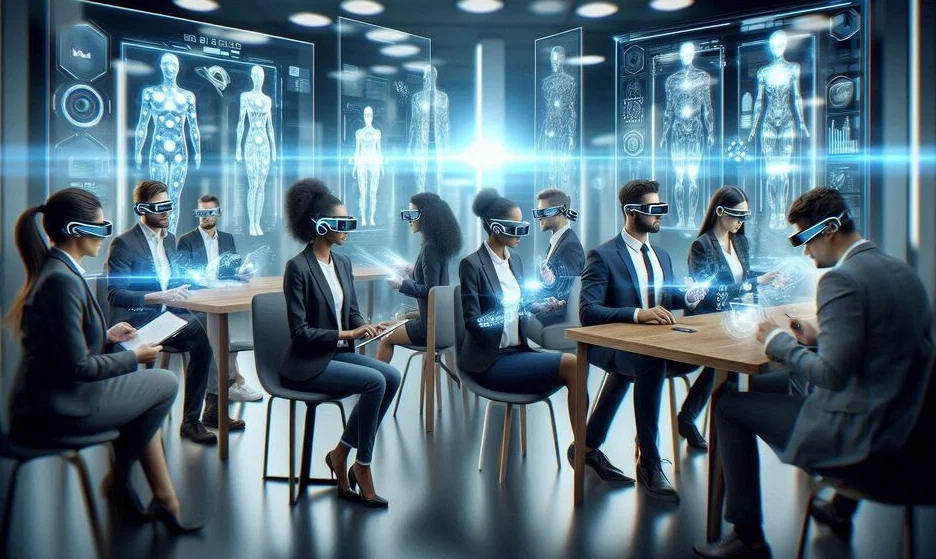
Wearable technology has rapidly evolved from consumer gadgets to sophisticated devices capable of tracking physical activity, cognitive states, and even biometric data. As this technology continues to advance, its influence on the job application process and workforce evaluation is becoming increasingly significant. Employers may soon leverage wearable devices to assess candidate capabilities, workplace compatibility, and overall job readiness in real-time. This article explores how wearable tech is shaping the future of job applications, highlighting both opportunities and challenges for candidates and organizations alike.
Overview of Wearable Technology
Types of Wearable Tech
Wearable technology encompasses a range of devices designed to monitor, measure, and interact with users in real-time. Popular examples include smartwatches, fitness trackers, smart glasses, VR/AR headsets, and biofeedback monitors. Each type of device collects specific data sets, from heart rate and sleep patterns to attention levels, movement, and environmental exposure. As wearable technology advances, it is increasingly capable of providing nuanced insights into human behavior and productivity.
Integration in Professional Settings
Organizations are exploring the use of wearable devices for performance optimization, wellness programs, and workplace safety. Wearables can monitor fatigue, stress, and ergonomic compliance, while providing real-time feedback to employees. In recruitment, wearable tech is beginning to influence candidate assessment by offering objective, continuous data that supplements traditional resumes and interviews. These devices are positioned to become tools for employers to make more informed, data-driven hiring decisions.
Wearable Tech in Job Applications
Data Collection and Assessment
Wearable devices can capture extensive data about candidates during assessments or job simulations. For example, devices can track physiological responses during problem-solving tasks, measuring stress, focus, and engagement. This data allows employers to evaluate candidates beyond resumes and interviews, providing a deeper understanding of their suitability for specific roles. Additionally, wearables can identify learning patterns and adaptability, traits increasingly valued in dynamic work environments.
Enhancing Candidate Evaluation
Integrating wearable technology into recruitment processes offers employers the ability to assess soft skills and behavioral tendencies. Attention span, decision-making under pressure, and teamwork tendencies can be quantified using wearable analytics. This approach enables more objective evaluation, reducing reliance on subjective interview assessments and highlighting candidates who may excel in high-demand or highly collaborative environments.
Benefits for Employers and Candidates
Improving Job Fit
Wearables provide valuable insights that enhance job fit and alignment between candidates and organizational culture. Employers can use real-time data to identify candidates whose physiological and cognitive responses match job demands. This reduces mismatched hires and increases overall retention. For candidates, participating in wearable assessments provides opportunities to showcase skills and attributes that are difficult to communicate on traditional resumes.
Personalized Application Experiences
Wearables can facilitate personalized application experiences by adapting tests and simulations based on individual data. For instance, adaptive problem-solving scenarios can assess specific strengths, while feedback mechanisms can guide candidates on areas for improvement. This personalization can enhance the candidate experience, making applications more engaging and reflective of true capabilities.
Challenges and Ethical Considerations
Privacy and Data Security
The use of wearable technology in recruitment raises important privacy concerns. Candidates may be uncomfortable sharing physiological or cognitive data, and organizations must implement strong security measures to protect sensitive information. Clear consent protocols, anonymized data processing, and compliance with data protection regulations are essential to maintain trust and ethical standards.
Bias and Fairness in Evaluation
While wearable tech can reduce subjective bias, it can also introduce new forms of bias if devices are not calibrated for diverse populations. Variability in physiological responses across age, gender, or cultural backgrounds must be considered to ensure fairness. Organizations must develop inclusive assessment frameworks and continually audit wearable analytics to avoid unintended discrimination.
Future Trends in Wearable Job Technology
AI Integration with Wearables
The combination of wearable tech and AI is expected to revolutionize candidate assessment. AI algorithms can analyze complex datasets generated by wearables to provide predictive insights into performance, adaptability, and cultural fit. This integration enables dynamic, data-driven decision-making that complements traditional hiring methods.
Real-Time Performance Feedback
Wearables will increasingly support real-time feedback during onboarding and training. Candidates can receive instant insights into stress management, attention, or ergonomics, while employers can monitor adaptation and engagement levels. This continuous feedback loop will help create more effective recruitment and training programs, ultimately enhancing workforce performance.
Conclusion
The impact of wearable technology on job applications is significant and rapidly expanding. By providing objective, data-driven insights into candidate behavior, cognitive ability, and physical readiness, wearables are transforming traditional recruitment methods. While the technology offers benefits such as improved job fit and personalized experiences, organizations must address privacy, fairness, and ethical concerns. As AI integration advances, wearable technology will play an increasingly critical role in shaping the future of hiring and talent management.