Introduction
Traditional resumes have long been the go-to method for job seekers and employers to evaluate a candidate's qualifications, experience, and suitability for a role. However, in an increasingly fast-paced and ever-evolving job market, resumes have started to show their limitations. This is where skill passport systems come into play offering a more dynamic, data-driven, and skills-focused approach to workforce development. In this blog post, we will explore how skill passport systems could replace traditional resumes and reshape the future of recruitment and talent management.
What Are Skill Passports?
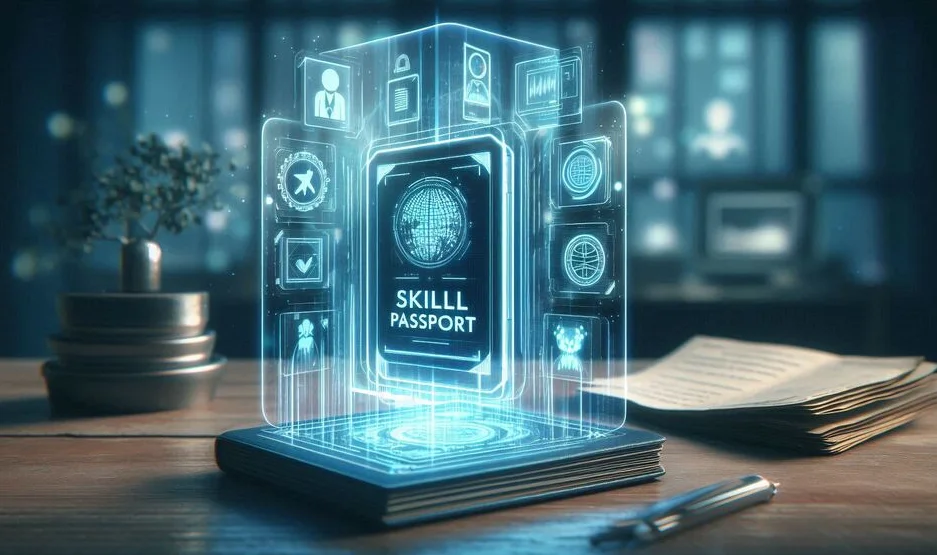
A skill passport is a digital representation of a person’s verified competencies, experiences, and educational background. Unlike traditional resumes, which primarily list job titles and educational qualifications, skill passports focus on a person’s skills and how they apply them in real-world settings. These systems track both hard and soft skills, providing a comprehensive and evolving record of a professional's capabilities.
How Skill Passports Work
Skill passport systems work by consolidating data from various verified sources - such as online courses, certifications, employer feedback, assessments, and even peer reviews. Each skill and competency is mapped with clear, measurable outcomes, ensuring transparency and authenticity. By using blockchain or other secure technologies, skill passports can offer a reliable and tamper-proof record of an individual’s skills and achievements.
The Technology Behind Skill Passports
The backbone of skill passport systems lies in blockchain technology, artificial intelligence (AI), and digital credentials. Blockchain ensures the security and immutability of skill data, while AI can help assess a candidate’s learning trajectory and match their competencies with job requirements. Digital credentials, such as certificates, badges, and micro-credentials, are issued by trusted organizations and can be easily added to a skill passport, allowing employers to verify skills without relying on traditional documents.
Advantages of Skill Passports Over Traditional Resumes
Better Skill Validation
Traditional resumes often include self-reported skills, which can be inflated or misrepresented. Skill passports, however, provide validated evidence of a person’s abilities. With third-party assessments, verified courses, and even performance-based evaluations, skill passports offer a much more accurate and trustworthy reflection of a candidate’s qualifications. Employers can assess candidates based on real competencies rather than subjective descriptions.
Improved Job Matching
Skill passport systems enable better job matching by emphasizing competencies rather than titles. For example, a candidate might have skills that span across multiple industries, and traditional resumes might fail to capture the full extent of their abilities. With skill passports, employers can easily search for candidates based on specific skill sets, ensuring that the best fit is found for each role. This approach can also help job seekers identify new career paths based on their existing skills.
Continuous Learning and Updating
Unlike static resumes, which need to be manually updated each time a person gains a new qualification, skill passports are dynamic. As professionals acquire new skills, attend workshops, or earn certifications, their skill passport can be updated in real-time. This encourages continuous learning and development, as individuals are motivated to keep their skill sets up to date, ensuring they remain competitive in the job market.
Impact on the Recruitment Process
Addressing Bias in Recruitment
Traditional resumes can unintentionally perpetuate biases based on factors like education, gender, or age. Skill passports, by focusing purely on skills and experience, can help reduce this bias. Since skill passports do not rely on personal demographics or past job titles, employers can evaluate candidates purely based on their competencies, promoting a more meritocratic recruitment process.
Enhancing Workforce Diversity
Skill passport systems can also contribute to increasing workforce diversity. By emphasizing skills over traditional markers like educational background or previous job titles, more diverse candidates - such as those with non-linear career paths, self-taught professionals, or people from underrepresented groups can have a better chance of being considered for roles. This approach fosters a more inclusive and equitable hiring environment.
The Future of Skill Passports
As skill passport systems gain more traction, we can expect them to play an increasingly central role in the recruitment process. Employers will no longer rely solely on resumes to gauge qualifications; instead, they will look for verified, data-driven skill profiles that paint a more accurate picture of a candidate’s abilities. Moreover, as companies increasingly prioritize skills-based hiring, skill passports could become the standard method of evaluating talent, rendering traditional resumes obsolete.
Conclusion
The shift from traditional resumes to skill passport systems represents a monumental change in the way we think about recruitment and career progression. By focusing on verifiable skills rather than job titles or degrees, skill passports offer a more accurate, dynamic, and inclusive way to assess talent. As technology continues to evolve, we can expect skill passports to become a core element of the modern workforce, transforming recruitment processes and fostering continuous learning and development.