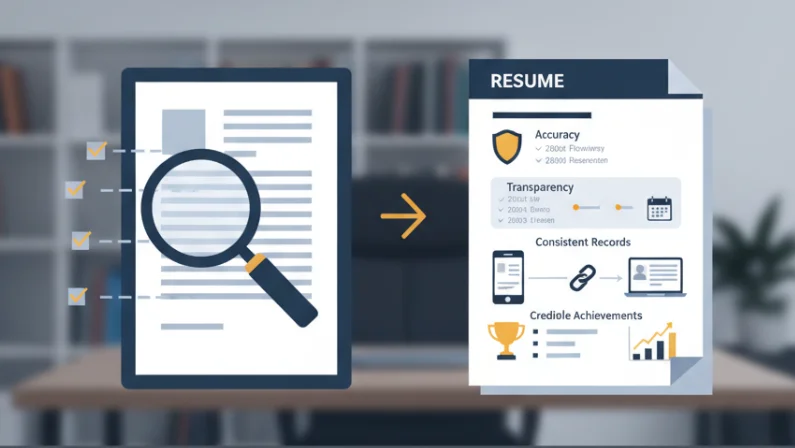
Background checks are a routine part of modern hiring practices, particularly for roles that involve financial responsibility, data access, leadership authority, or regulatory oversight. Employers increasingly rely on background verification to confirm that the information provided in a candidate resume is accurate and consistent with official records. Because of this, job seekers must ensure that the content of their resume aligns with details that can be verified through employment records, educational institutions, and professional references. A well prepared resume does not simply highlight achievements but also reflects a commitment to transparency and credibility. Understanding how background checks work can help professionals craft resumes that remain persuasive while maintaining complete accuracy.
Understanding Background Checks in Hiring
Background checks are verification processes conducted by employers or third party screening services to confirm aspects of a candidate professional history. These checks help organizations ensure that candidates meet required qualifications and that the information presented during the application process is reliable.
What Employers Typically Verify
Employers usually verify employment history, job titles, dates of employment, educational credentials, and sometimes professional certifications. Certain roles may also involve verification of professional licenses, criminal records, or financial responsibility depending on regulatory requirements.
When Background Checks Occur in the Hiring Process
Most companies conduct background checks after extending a conditional job offer. At this stage, employers verify that the information provided by the candidate matches official records. Discrepancies between the resume and verified data may raise concerns about credibility and honesty.
Why Resume Accuracy Matters
The increasing use of background screening means that resume accuracy is more important than ever. Even small inconsistencies can create complications during the verification process.
Ensuring Information Is Verifiable
Every detail listed on a resume should be information that can be confirmed by previous employers, academic institutions, or professional organizations. Ensuring that employment dates, job titles, and educational achievements are correct prevents unnecessary issues during the verification stage.
Risks of Exaggerating Experience
Some candidates attempt to strengthen their resumes by inflating responsibilities or altering job titles. While this may appear beneficial in the short term, background checks often reveal discrepancies. If employers discover inconsistencies, it can damage trust and may lead to withdrawal of the job offer.
Presenting Employment History Transparently
Employment history is one of the most frequently verified aspects of a resume. Clear and transparent presentation helps ensure a smooth background check process.
Using Correct Employment Dates and Titles
Candidates should list employment periods accurately and use official job titles whenever possible. If a company used internal titles that may not clearly represent responsibilities, it is acceptable to provide a brief clarification within the role description while maintaining accuracy.
Handling Employment Gaps Responsibly
Employment gaps are common in many professional careers. Rather than attempting to conceal them, it is better to present them honestly. Many gaps can be explained through professional development, personal projects, consulting work, or family responsibilities.
Listing Education and Certifications Accurately
Education is another area frequently reviewed during background checks. Accuracy in this section is essential because institutions maintain official records that employers can verify easily.
Verifiable Academic Credentials
Candidates should clearly list the degree earned, the institution attended, and the graduation year if applicable. Listing incomplete degrees as completed qualifications can lead to serious credibility issues during verification.
Certifications and Professional Training
Professional certifications should include the official certification name and the issuing organization. If a certification is in progress, it is better to indicate the expected completion timeline rather than presenting it as fully earned.
Aligning Job Descriptions With Verifiable Work
Background checks do not typically verify every detail of daily responsibilities, but employers may confirm major achievements and leadership roles through references or internal records.
Describing Responsibilities Honestly
When describing professional roles, focus on responsibilities and achievements that accurately reflect your work. Avoid taking sole credit for initiatives that were primarily led by other team members.
Avoiding Inflated Achievements
Achievements should remain truthful and realistic. Quantifiable results are valuable, but they should be based on genuine performance data rather than speculative estimates.
Preparing Your Resume for Verification
Preparing for background checks involves more than simply reviewing your resume. It also requires ensuring consistency across professional records and documentation.
Maintaining Supporting Documentation
Professionals may benefit from maintaining copies of employment contracts, offer letters, performance summaries, and certification documents. These records can help confirm details if questions arise during the verification process.
Ensuring Consistency Across Professional Profiles
Employers often compare resumes with other professional platforms such as online profiles or professional portfolios. Consistency between these sources reinforces credibility and reduces the likelihood of confusion during background checks.
Common Resume Mistakes That Create Background Check Issues
Common mistakes include altering employment dates to hide gaps, listing degrees that were never completed, exaggerating job titles, or claiming leadership roles without clear involvement. Even if these inaccuracies appear minor, they can undermine trust once discovered during verification. Employers generally value honesty and transparency more than perfect career histories.
Conclusion
Background checks play an important role in ensuring the integrity of the hiring process. For job seekers, this means that resume content should be carefully aligned with verifiable facts and professional records. By focusing on accuracy, transparency, and consistency, professionals can present their achievements confidently while avoiding complications during the verification stage. A resume built on truthful information not only supports a successful background check but also strengthens long term professional credibility.