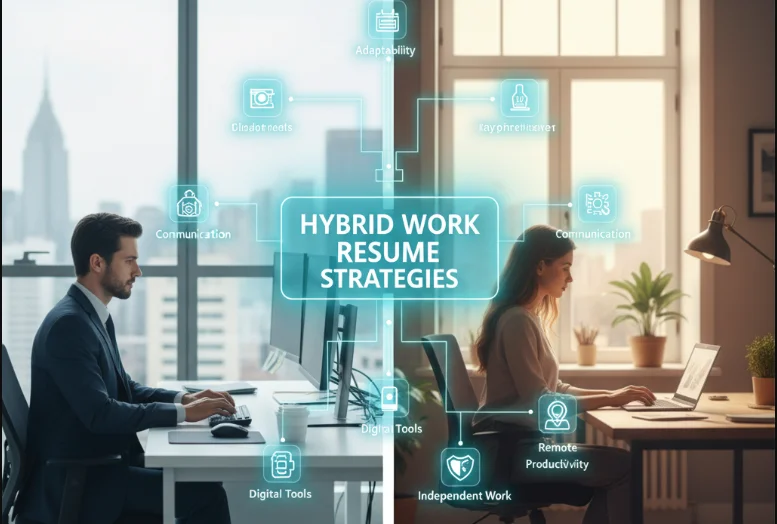
Hybrid work has become one of the most important workplace trends in modern employment. Companies across industries are redesigning their operations to combine remote flexibility with in person collaboration. Instead of requiring employees to work entirely from the office or completely from home, hybrid organizations allow professionals to divide their time between physical workplaces and remote environments.
This shift has changed how employers evaluate job candidates and how professionals should present themselves during the hiring process. A resume designed for hybrid work opportunities must demonstrate more than technical qualifications and work experience. Employers now seek individuals who can communicate effectively in both virtual and in person settings, manage productivity independently, adapt to changing work environments, and collaborate through digital systems.
Candidates who understand how to create hybrid optimized resumes can position themselves more effectively in the evolving workforce and improve their chances of securing flexible career opportunities.
Understanding Hybrid Work Opportunities
What Is Hybrid Work
Hybrid work is a flexible employment model where employees split their responsibilities between remote work and office based work. Depending on company policies, employees may work remotely for part of the week while attending in person meetings, collaborative sessions, or office activities on specific days.
Hybrid work models may vary significantly between organizations. Some companies use fixed schedules, while others allow employees to choose when they work remotely or onsite.
Common hybrid structures include:
- Three office days and two remote days
- Flexible remote scheduling based on team needs
- Remote first operations with occasional office collaboration
- Department specific hybrid arrangements
This model combines flexibility with face to face interaction, allowing companies to improve employee satisfaction while maintaining collaboration and productivity.
Why Companies Prefer Hybrid Models
Many organizations now prefer hybrid systems because they balance operational efficiency with workforce flexibility.
Key advantages for employers include:
- Access to broader talent pools
- Reduced office costs
- Improved employee retention
- Higher workplace flexibility
- Better work life balance for employees
However, hybrid environments also create new management and communication challenges. As a result, employers prioritize candidates who can succeed in both independent and collaborative settings.
How to Build a Resume for Hybrid Roles
Writing a Hybrid Focused Professional Summary
The professional summary is often the first section recruiters read. For hybrid opportunities, this section should immediately communicate flexibility, communication strengths, and productivity across multiple work environments.
An effective hybrid focused summary may include:
- Industry expertise
- Experience with remote collaboration
- Cross functional teamwork
- Independent project management
- Digital communication capabilities
Example:
Operations specialist with experience managing cross functional workflows, coordinating hybrid teams, and improving productivity through digital collaboration systems
This type of summary quickly demonstrates alignment with hybrid workplace expectations.
Creating a Balanced Skills Section
Hybrid resumes should combine technical competencies with workplace adaptability and collaboration skills.
Important hybrid work skills include:
- Virtual communication
- Team collaboration
- Time management
- Problem solving
- Task prioritization
- Project coordination
- Digital workflow management
Technical and software skills should also appear clearly throughout the resume.
Examples include:
- Microsoft Teams
- Zoom
- Slack
- Google Workspace
- Trello
- Asana
- Notion
Employers often search for these tools when evaluating candidates for flexible work environments.
Presenting Flexible Work Experience
The work experience section should emphasize achievements that demonstrate success in both independent and collaborative work environments.
Strong experience descriptions may highlight:
- Managing projects remotely and onsite
- Coordinating hybrid meetings and workflows
- Supporting distributed teams
- Improving communication systems
- Handling multiple responsibilities independently
For example:
Led hybrid project coordination initiatives by integrating virtual collaboration tools and improving communication efficiency across office and remote teams
This communicates adaptability and operational effectiveness in modern workplace structures.
Highlighting Digital Collaboration Tools
Hybrid work depends heavily on digital communication and workflow platforms. Candidates who demonstrate familiarity with these tools appear more prepared for flexible environments.
Important categories include:
- Video conferencing software
- Cloud storage systems
- Task management platforms
- Online communication tools
- Productivity and documentation software
Including these tools naturally throughout the resume improves recruiter confidence and ATS compatibility.
Essential Skills for Hybrid Work Environments
Communication and Collaboration
Hybrid workplaces require professionals to communicate effectively across both digital and in person channels.
Strong communication skills may include:
- Virtual meeting participation
- Written communication
- Presentation abilities
- Cross functional teamwork
- Conflict resolution
Candidates who communicate clearly can collaborate more effectively regardless of physical location.
Adaptability and Flexibility
Hybrid work environments are constantly evolving. Employees may switch between office collaboration, remote tasks, independent projects, and virtual meetings within the same week.
Employers value candidates who can:
- Adjust quickly to changing schedules
- Learn new technologies
- Work effectively across different environments
- Handle unexpected workflow changes
Adaptability has become one of the most valuable professional qualities in flexible workplaces.
Time Management and Productivity
Hybrid work requires strong self management because employees often balance office responsibilities with independent remote tasks.
Candidates should demonstrate:
- Meeting deadlines consistently
- Managing multiple priorities
- Organizing schedules effectively
- Maintaining productivity without constant supervision
These abilities help employers trust that candidates can succeed in flexible work structures.
Digital and Technical Skills
Digital literacy is now essential in hybrid work environments. Employees interact daily with collaboration platforms, communication systems, and cloud based workflows.
Important technical capabilities may include:
- Cloud computing familiarity
- Online collaboration systems
- Project management software
- Cybersecurity awareness
- Virtual presentation tools
Even non technical roles increasingly require comfort with digital workplace systems.
Optimizing Your Resume for ATS and Hybrid Hiring
Most medium and large companies use Applicant Tracking Systems to filter resumes before human review. Hybrid job seekers should optimize resumes using keywords related to flexible work environments and technical competencies.
Helpful ATS optimization strategies include:
- Using terminology from job descriptions
- Including collaboration and remote work keywords
- Using clean and simple formatting
- Listing software and digital tools clearly
- Highlighting measurable achievements
Examples of useful hybrid related keywords include:
- Hybrid collaboration
- Cross functional communication
- Remote coordination
- Digital workflow management
- Distributed teams
These keywords can improve visibility during automated screening processes.
Common Resume Mistakes for Hybrid Job Applications
Many professionals fail to adapt their resumes for hybrid opportunities. Common mistakes include:
- Ignoring flexibility and adaptability skills
- Not mentioning digital collaboration tools
- Using generic summaries without workplace relevance
- Focusing only on office based achievements
- Overloading resumes with unnecessary information
- Neglecting ATS optimization
Candidates who fail to demonstrate modern workplace readiness may appear less competitive in flexible hiring environments.
Building a Professional Hybrid Work Brand
Hybrid employers often evaluate candidates beyond resumes by reviewing professional profiles, portfolios, and online communication presence.
A strong professional brand may include:
- Professional networking profiles
- Portfolio projects and case studies
- Thought leadership content
- Digital collaboration achievements
- Industry certifications
A consistent professional image across resumes and online platforms improves credibility and recruiter confidence.
The Future of Hybrid Work and Hiring
Hybrid work is expected to remain a major part of the future workforce. Companies continue investing in flexible workplace technologies and distributed collaboration systems.
Future hiring trends may include:
- Increased emphasis on adaptability
- Greater reliance on digital communication skills
- More project based hiring evaluations
- AI powered recruitment systems
- Expanded global hiring opportunities
Candidates who prepare for these changes by building hybrid optimized resumes and modern professional brands will remain highly competitive.
Conclusion
Hybrid work opportunities are reshaping modern employment and changing what employers expect from job candidates. A strong hybrid focused resume must demonstrate more than technical expertise because employers now value flexibility, communication, collaboration, and independent productivity just as highly.
Professionals who highlight digital collaboration tools, adaptability, remote coordination abilities, and measurable achievements can position themselves more effectively for flexible work environments. ATS optimization, professional branding, and strong communication skills also play critical roles in modern hybrid hiring processes.
As hybrid work continues expanding across industries, candidates who adapt their resumes strategically will gain stronger opportunities in the future workforce. Building a resume that reflects modern workplace realities is no longer optional because flexibility and digital readiness have become essential professional strengths.