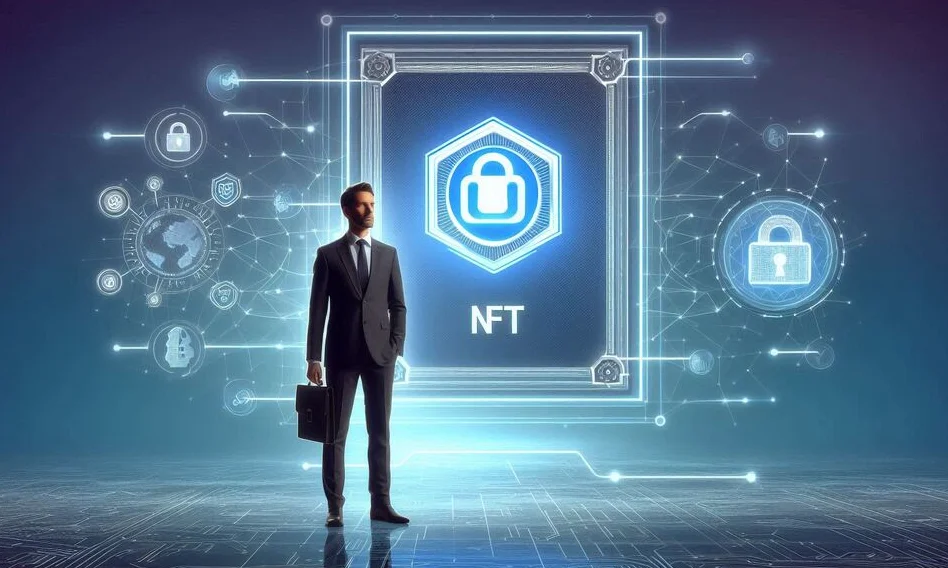
In an era where digital credentials are becoming increasingly essential, verifying professional qualifications securely and efficiently has become a challenge. Traditional paper-based certifications or centralized digital records are prone to forgery, misrepresentation, and inefficiencies. Non-fungible tokens, or NFTs, offer a decentralized, tamper-proof method for credential verification. By leveraging blockchain technology, NFTs can provide proof of authenticity, ownership, and provenance for professional credentials. This blog explores the role of NFTs in verifying professional credentials, their benefits, challenges, and potential to revolutionize the way credentials are managed and validated.
Understanding NFTs
Definition of NFTs
Non-fungible tokens are unique digital assets stored on a blockchain, which distinguishes them from fungible assets like cryptocurrencies. Each NFT is one-of-a-kind, immutable, and cannot be replicated, making it an ideal candidate for verifying individual credentials. NFTs can represent a wide range of assets, including digital art, music, virtual real estate, and now, professional certifications and achievements.
Blockchain Technology and NFTs
Blockchain is a decentralized ledger that records transactions securely and transparently. NFTs rely on blockchain to provide immutable proof of ownership and origin. Each NFT contains metadata that includes information about the creator, issuance date, and any associated verification data. This ensures that credentials linked to NFTs are tamper-proof and verifiable by anyone with access to the blockchain.
Application to Professional Credentials
Verification of Certificates
NFTs can represent professional certifications, diplomas, licenses, or other achievements. Once a credential is issued as an NFT, its authenticity can be verified directly on the blockchain, eliminating the need for intermediaries. Employers, institutions, or licensing bodies can easily confirm whether the credential is genuine, saving time and reducing the risk of fraudulent claims.
Digital Identity Management
NFT-based credentials can be linked to a professional's digital identity, allowing individuals to maintain a portable and verifiable record of their qualifications. This streamlines the recruitment process and simplifies credential verification across organizations and borders. Professionals can carry a complete portfolio of verified achievements in a digital wallet, accessible at any time.
Preventing Fraud and Misrepresentation
Traditional credentials are susceptible to forgery and exaggeration. NFTs provide a secure solution by recording credentials on an immutable blockchain ledger. Employers and educational institutions can trust that the credentials are authentic, and candidates are less likely to misrepresent their qualifications. The traceable history of NFTs ensures full transparency regarding issuance and ownership.
Benefits of Using NFTs for Credentials
Enhanced Security
The decentralized nature of blockchain ensures that credentials cannot be altered, deleted, or counterfeited. NFT credentials are secured using cryptographic algorithms, providing protection against hacks and tampering. This significantly enhances the security and reliability of professional qualifications.
Portability and Accessibility
Professionals can store NFT credentials in digital wallets, making them easily shareable and accessible. Hiring managers, clients, or institutions can verify these credentials in seconds without requiring physical copies or manual verification processes. This portability increases efficiency and reduces administrative overhead for both individuals and organizations.
Trust and Transparency
NFT credentials foster trust among employers, educational institutions, and professionals. The transparent blockchain ledger allows verification of the issuing authority, issuance date, and history of ownership. This transparency builds confidence in the legitimacy of credentials and facilitates seamless collaboration across industries and regions.
Challenges and Considerations
Regulatory Challenges
Despite their potential, NFT credentials face regulatory uncertainties. Governments and professional bodies are still defining legal frameworks for blockchain-based credentials. Compliance with privacy, data protection, and licensing regulations must be considered before widespread adoption.
Technical Limitations
The blockchain infrastructure required for NFTs may face scalability, interoperability, and energy consumption challenges. Ensuring compatibility across different platforms and networks is essential for NFT credentials to function efficiently on a global scale.
Adoption and Awareness
Widespread adoption depends on industry awareness and acceptance. Employers, educators, and professionals must understand the benefits and limitations of NFT-based credentialing. Education and advocacy will be critical in driving the transition from traditional to blockchain-based verification systems.
Future of NFT Credentials
The adoption of NFTs for professional credentials is likely to expand in the coming years. Innovations may include automated verification systems, cross-platform credential sharing, and integration with AI-powered HR tools. NFTs could also support continuous learning credentials, micro-certifications, and real-time skill validation. By providing secure, verifiable, and portable records, NFTs have the potential to reshape credential verification globally.
Conclusion
NFTs offer a transformative approach to verifying professional credentials, combining security, transparency, and portability in a single digital asset. By leveraging blockchain technology, NFT credentials reduce fraud, simplify verification processes, and enhance trust among employers, institutions, and professionals. While challenges such as regulation, technical limitations, and adoption exist, the potential benefits are significant. NFT-based credentialing represents a forward-looking solution to modernize professional verification, ensuring accuracy, efficiency, and global accessibility in an increasingly digital world.