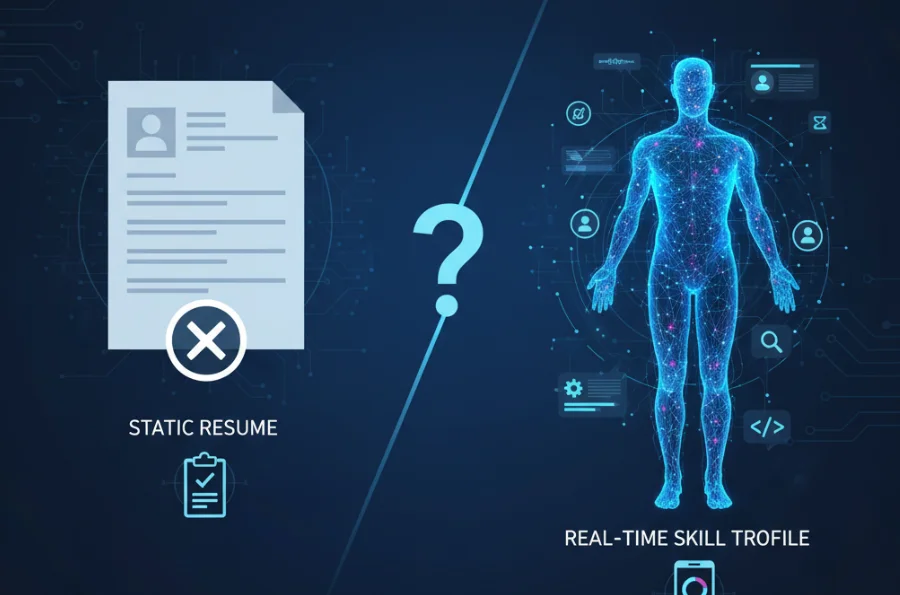
The hiring landscape is evolving rapidly with the integration of digital tools and data driven decision making. Traditional resumes have long served as the primary method of showcasing skills and experience, but they are static by nature and require manual updates. In contrast, real time skill tracking offers dynamic and continuously updated insights into a candidate’s abilities. This shift raises an important question about whether static resumes will eventually be replaced or if both systems will coexist in the future of hiring.
Understanding Real-Time Skill Tracking
What Is Real-Time Skill Tracking
Real time skill tracking refers to systems that continuously update and reflect a candidate’s skills based on ongoing activities, learning, and professional contributions. These systems may integrate data from projects, certifications, and performance metrics to provide a live representation of capability.
How It Differs from Static Resumes
Static resumes provide a snapshot of a candidate’s experience at a specific point in time. Real time tracking, on the other hand, offers a dynamic profile that evolves as new skills are acquired. This creates a more current and potentially accurate representation of a candidate’s abilities.
The Evolution of Resume and Hiring Systems
Traditional Resume Model
The traditional resume has been a standardized document used to summarize education, experience, and skills. It relies on self reporting and periodic updates, which can lead to outdated information.
Shift Toward Digital Profiles
With the rise of digital platforms, professional profiles have become more interactive and continuously updated. This shift has laid the foundation for real time skill tracking and more data driven hiring processes.
Benefits of Real-Time Skill Tracking
Up to Date Skill Representation
One of the main advantages of real time tracking is accuracy. Employers can access current information about a candidate’s skills without relying on outdated documents.
Better Skill Verification
Real time systems can integrate performance data and project outcomes, providing more reliable evidence of skills. This reduces the risk of misrepresentation.
Improved Job Matching
Dynamic skill data allows for more precise matching between candidates and job requirements. This can improve efficiency in the hiring process and lead to better outcomes for both employers and candidates.
Limitations and Challenges
Lack of Standardization
Real time skill tracking systems may vary across platforms, leading to inconsistencies in how skills are measured and presented. This can make comparisons difficult.
Privacy and Data Concerns
Continuous tracking of skills and activities raises concerns about data privacy and security. Candidates may be cautious about sharing detailed information.
Loss of Context and Story
While real time data provides detailed insights, it may lack the narrative context that resumes offer. A resume allows candidates to present their career journey and highlight key achievements in a structured manner.
Will Static Resumes Still Exist
Despite the rise of real time tracking, static resumes are unlikely to disappear completely. They provide a concise and structured overview that is easy to review and share. Many organizations still rely on resumes for initial screening and documentation purposes. It is more likely that both systems will coexist, each serving different roles in the hiring process.
Future of Hiring and Talent Evaluation
The future of hiring is likely to combine traditional and modern approaches. Real time skill tracking may enhance decision making by providing current data, while resumes will continue to offer structured summaries. Integration of these systems could create a more comprehensive evaluation process.
How Professionals Should Adapt
Professionals should focus on maintaining both a strong resume and an updated digital presence. Continuously developing skills and documenting achievements can help leverage real time tracking systems. At the same time, refining resume content ensures readiness for traditional hiring processes.
Conclusion
Real time skill tracking represents a significant advancement in how candidates are evaluated, offering dynamic and accurate insights into abilities. However, static resumes still provide value through structure and narrative context. Rather than replacing resumes, real time tracking is likely to complement them. By adapting to both approaches, professionals can remain competitive and effectively showcase their skills in an evolving job market.