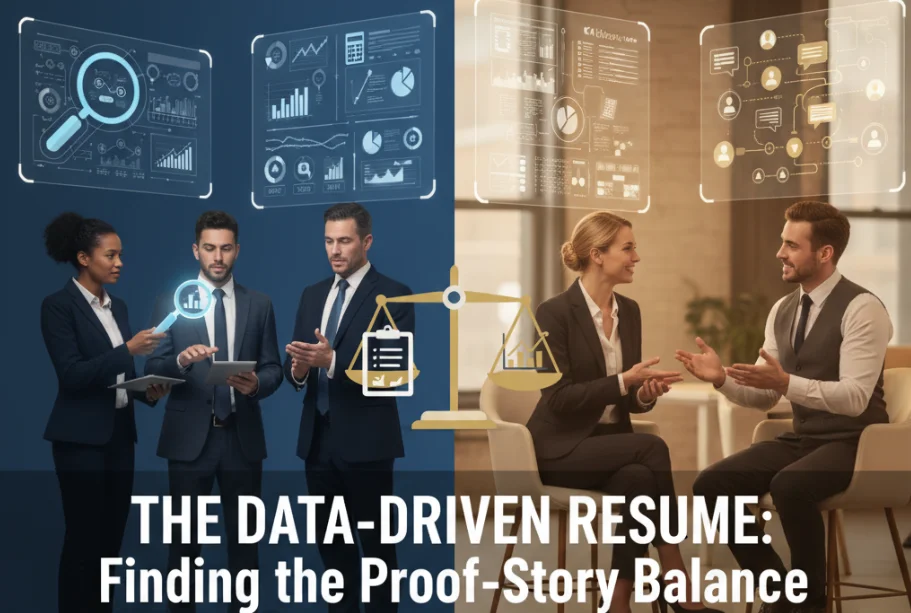
In today competitive job market, resumes are no longer just a list of responsibilities. Employers and recruiters expect candidates to demonstrate impact through measurable achievements. This shift has led to the rise of the data-driven resume, where numbers, metrics, and results take center stage. However, a common question arises among job seekers: how much proof is enough. Including too little data may make a resume look vague, while too much can overwhelm the reader. Striking the right balance is essential to create a resume that is both credible and compelling.
What is a Data-Driven Resume
A data-driven resume is a document that highlights professional achievements using quantifiable results. Instead of stating general responsibilities, candidates present specific outcomes supported by numbers. For example, rather than saying managed a sales team, a data-driven approach would say increased team sales by 30 percent within six months. This type of resume focuses on impact, efficiency, and value delivered to previous employers.
Why Proof Matters in a Resume
Proof plays a critical role in establishing credibility. Recruiters review hundreds of resumes and often look for evidence that supports claims. Metrics make achievements more believable and easier to evaluate. They also help differentiate candidates who may have similar job titles but different levels of performance. A resume backed by data demonstrates accountability and results-oriented thinking, which are highly valued in most industries.
How Much Proof Is Enough
Quality Over Quantity
One of the biggest misconceptions is that more data automatically leads to a stronger resume. In reality, the quality of proof matters more than the quantity. Including a few strong, relevant metrics is more effective than listing numerous minor achievements. Each data point should clearly demonstrate value and align with the job role. Overloading the resume with numbers can reduce readability and distract from key accomplishments.
Relevance of Data
Not all metrics are equally important. The data included in a resume should be directly relevant to the position being applied for. For example, a marketing professional should focus on metrics such as campaign performance, conversion rates, or audience growth. Irrelevant numbers may confuse recruiters and dilute the overall message. Tailoring proof to match job requirements increases the effectiveness of the resume.
Role-Based Proof Requirements
The amount of proof required also depends on the role and industry. Technical, sales, and performance-driven roles typically demand more quantifiable results. In contrast, creative or strategic roles may rely on a mix of qualitative and quantitative achievements. Understanding industry expectations helps candidates determine how much data to include without overdoing it.
Types of Metrics to Include
There are various types of metrics that can strengthen a resume. Performance metrics such as revenue growth, cost reduction, or productivity improvement are highly impactful. Efficiency metrics highlight how processes were optimized or time was saved. Engagement metrics, including user growth or customer retention, are useful for marketing and product roles. Additionally, project-based metrics can showcase successful delivery, timelines, and outcomes. Choosing the right type of data depends on the candidate experience and job goals.
Common Mistakes in Data-Driven Resumes
Many candidates make mistakes when trying to create data-driven resumes. One common issue is using vague numbers without context. For example, stating improved performance by 20 percent without explaining what was improved can be confusing. Another mistake is exaggerating or fabricating data, which can damage credibility if discovered. Some candidates also include too many metrics, making the resume cluttered and difficult to read. Finally, failing to explain the impact behind the numbers can reduce their effectiveness.
Balancing Data with Storytelling
While data is important, it should not replace storytelling entirely. A strong resume combines numbers with context to create a clear narrative. Each bullet point should explain the situation, the action taken, and the result achieved. This approach helps recruiters understand not just what was accomplished, but how it was achieved. A balanced resume uses data to support the story rather than dominate it.
Best Practices for Using Proof Effectively
To create an effective data-driven resume, candidates should follow several best practices. Focus on key achievements that demonstrate measurable impact. Use clear and simple language to present metrics. Ensure that all data is accurate and verifiable. Tailor the resume for each job application by selecting the most relevant proof. Avoid unnecessary complexity and maintain a clean, organized format. Finally, combine data with concise explanations to provide context and clarity.
Conclusion
Determining how much proof is enough in a data-driven resume requires careful consideration of quality, relevance, and clarity. While metrics are essential for demonstrating impact, they should be used strategically rather than excessively. A well-crafted resume highlights key achievements with meaningful data while maintaining readability and coherence. By striking the right balance between numbers and narrative, candidates can create a powerful document that captures attention and increases their chances of success in the hiring process.