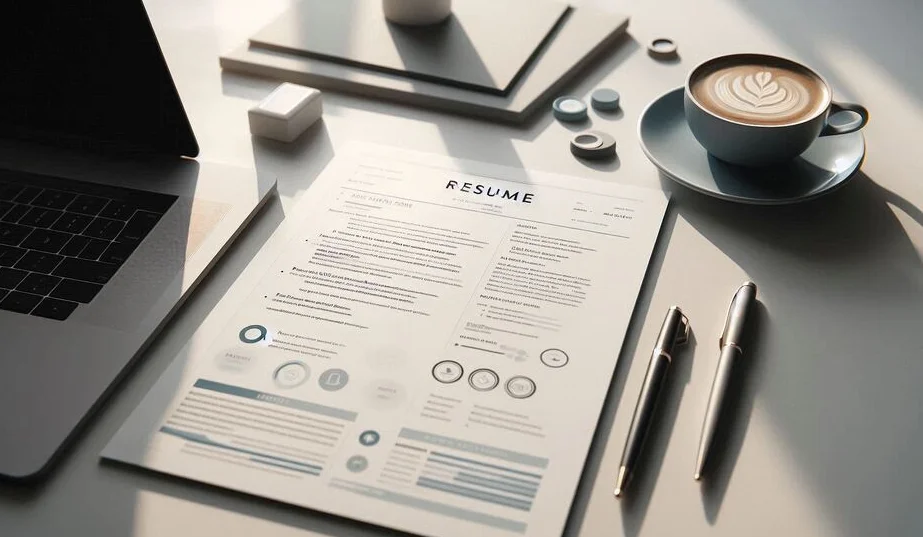
In the competitive world of job hunting, first impressions are crucial. When recruiters or hiring managers review resumes, they often rely not only on the content but also on the design to gauge the credibility of the candidate. The psychology behind resume design plays a significant role in how trustworthy a resume feels. Simple, clean, and organized layouts can create a sense of professionalism and credibility, while cluttered or overly complex designs can raise doubts. In this article, we’ll explore the elements of resume design that influence trustworthiness and how job seekers can leverage design psychology to make a lasting positive impression.
Introduction
A resume is more than just a document that lists your qualifications; it’s a reflection of your personal brand. How your resume looks its design, layout, and visual elements can significantly impact how trustworthy and professional you appear to recruiters. Research in design psychology shows that certain visual cues, like color, font choices, and the use of white space, can influence how your resume is perceived. A well-designed resume does more than just present information; it builds credibility and trust, which are key factors in securing a job. In this post, we’ll dive into the psychology behind trustworthy resume design and give you actionable tips on how to make your resume stand out in a positive way.
Understanding Trustworthy Design
Design plays a fundamental role in how your resume is perceived. When a resume is visually appealing and well-organized, it signals professionalism, attention to detail, and reliability. But how exactly does design contribute to trust? Let’s break it down by examining some key elements that influence how trustworthy a resume feels.
Visual Hierarchy and Trust
Visual hierarchy refers to the arrangement of elements in a way that guides the reader’s eye to the most important information first. In resume design, this means making sure that your name, contact information, job titles, and skills stand out clearly and immediately. Using larger fonts for headings and bold text for section titles helps establish this hierarchy, ensuring that key information is easy to find and scan. A clear visual hierarchy makes your resume more navigable and signals to the recruiter that you are organized and easy to follow.
Clarity and Simplicity
Simplicity and clarity are essential for creating a trustworthy design. Overcomplicated resumes with too many colors, fonts, or graphics can make the reader feel overwhelmed and distracted. A cluttered layout can subconsciously create a sense of distrust or uncertainty. On the other hand, a clean and minimalist design communicates confidence and professionalism. When your resume is easy to read and free of distractions, it allows the recruiter to focus on the content rather than the design itself, thereby increasing trust.
The Role of Design Psychology in Resumes
Design psychology refers to the way visual elements influence human emotions and behavior. When applying this concept to resume design, several key psychological principles come into play, including color psychology, font choice, and the strategic use of white space. Understanding these principles can help job seekers create resumes that feel more trustworthy and professional.
Color Psychology and Trust
Color plays a powerful role in how we perceive trustworthiness. Certain colors can evoke feelings of calm, stability, and professionalism, while others can be perceived as aggressive or unprofessional. For example, blue is often associated with trust and reliability, making it a popular choice for resumes. It evokes a sense of calm and competence, which can enhance your credibility. Avoid using too many bright or distracting colors, as they can reduce the sense of professionalism. Instead, use color strategically perhaps in section headings or accents to guide the reader’s eye while maintaining an overall feeling of professionalism.
Font Choice and Perception
The font you choose for your resume can have a significant impact on how it’s perceived. Serif fonts, like Times New Roman and Georgia, are often seen as more formal and traditional, conveying authority and professionalism. Sans-serif fonts, like Arial or Helvetica, are modern and clean, promoting clarity and simplicity. The key is to choose a font that is easy to read and complements the tone of the job you’re applying for. Too many different fonts can create visual chaos and detract from your resume’s overall trustworthiness.
The Power of White Space
White space, or negative space, refers to the areas on your resume that are left empty. It might seem counterintuitive, but white space is crucial for making your resume feel trustworthy. A resume with plenty of white space appears organized, clean, and approachable. It gives the reader’s eyes a place to rest and helps the document feel less cramped and overwhelming. White space also enhances readability by allowing each section to breathe, making it easier for the recruiter to find the most important information quickly.
How to Create a Trustworthy Resume
Now that we’ve covered the psychological principles behind trustworthy design, let’s look at how to incorporate these elements into your resume. Here are some tips to help you create a resume that exudes professionalism and trustworthiness:
Consistent Branding and Visual Identity
Your resume should reflect a cohesive visual identity that aligns with your personal brand. This includes using consistent fonts, colors, and layout throughout the document. Keep your formatting uniform, especially for section headers, bullet points, and contact details. A consistent design reinforces your professionalism and makes your resume feel polished and reliable.
Focus on Relevance and Precision
In addition to design, the content of your resume must be relevant and precise. A trustworthy resume doesn’t waste the reader’s time with irrelevant information or vague descriptions. Be specific about your achievements, and use quantifiable data to back up your claims. Avoid cluttering your resume with unnecessary details and focus on the experiences that are most relevant to the job you're applying for.
Common Design Mistakes to Avoid
To create a truly trustworthy resume, avoid the following common design mistakes:
- Overuse of Colors: Using too many colors can make your resume look chaotic and unprofessional. Stick to a simple color scheme with one or two accent colors.
- Inconsistent Fonts: Using multiple fonts can make your resume look unpolished and hard to read. Stick to one or two complementary fonts.
- Cluttered Layout: A cluttered layout with no white space can make your resume look overwhelming. Leave enough space between sections to allow the reader to digest the information easily.
Conclusion
The design of your resume plays a vital role in how trustworthy it feels to recruiters. By applying principles of design psychology such as visual hierarchy, color psychology, font choice, and white space you can create a resume that exudes professionalism, clarity, and reliability. A trustworthy resume doesn’t just present your qualifications; it communicates your credibility at a glance, increasing your chances of making a lasting impression and landing your dream job.