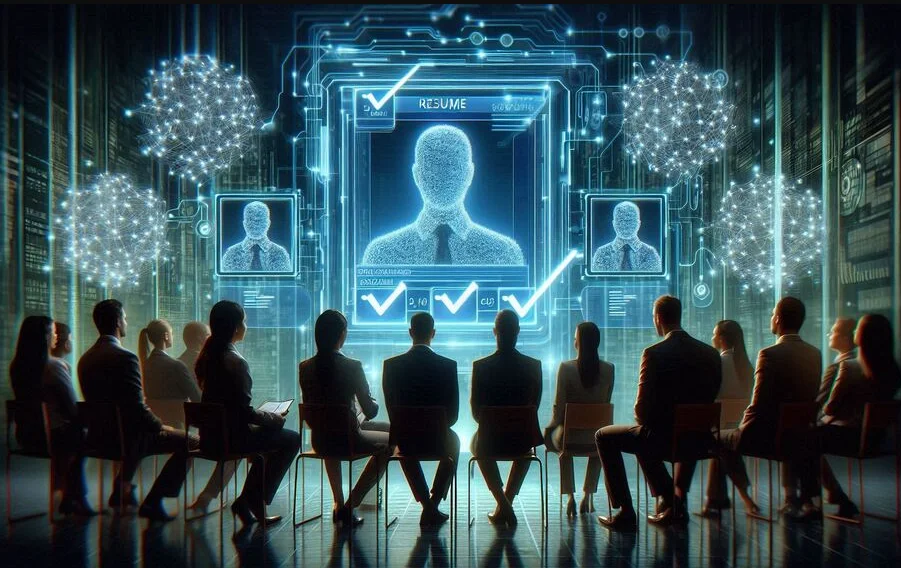
In a competitive job market, verifying the authenticity of a candidate's resume has become increasingly critical. Traditional resume verification methods often involve contacting previous employers, educational institutions, or certification authorities, which can be slow, error-prone, and easily manipulated. Blockchain technology offers a revolutionary solution to this challenge by providing a secure, immutable, and decentralized platform for storing and validating professional credentials. This blog explores how blockchain can transform resume verification, the benefits it offers, the challenges involved, and the potential future of blockchain-based credentialing.
Understanding Blockchain
Blockchain Basics
Blockchain is a distributed ledger technology that allows information to be recorded across multiple nodes in a network. Each block contains a set of transactions, linked chronologically, creating a chain that is highly resistant to tampering. The decentralized nature ensures that no single party has complete control over the data, making blockchain particularly suitable for applications requiring transparency and integrity.
Blockchain Security
Blockchain uses advanced cryptography to secure data. Once a record is added to the chain, it cannot be altered without consensus from the network. This immutability ensures that information stored on the blockchain, such as professional qualifications and employment history, cannot be manipulated or falsified. Combined with smart contracts, blockchain can automate verification processes and enforce validation rules with minimal human intervention.
Resume Verification Challenges
Fraud and Misrepresentation
Resume fraud is a significant concern for employers, including inflated job titles, falsified degrees, and fabricated certifications. Traditional verification methods often fail to detect these inaccuracies quickly, which can lead to costly hiring mistakes and reputational risks for companies.
Time-Consuming Processes
Manual verification of resumes requires contacting institutions, waiting for responses, and cross-checking data, which can take days or even weeks. In high-volume recruitment scenarios, these delays reduce efficiency and increase the risk of missing top candidates.
Lack of Standardization
There is no universal standard for presenting and verifying resumes. Different organizations use varied formats for certificates and records, making automated verification difficult. This lack of standardization complicates the process of quickly validating credentials.
Blockchain Solutions for Resumes
Tamper-Proof Credentials
Blockchain enables the issuance of digital credentials that are cryptographically secured and immutable. Degrees, certificates, and employment records can be issued as blockchain-based assets, which can be independently verified for authenticity. Candidates can share these credentials with prospective employers, providing instant proof of their qualifications.
Decentralized Verification
By using a decentralized network, resume verification no longer relies on a central authority. Employers, recruiters, and institutions can verify the authenticity of credentials directly from the blockchain, reducing dependency on intermediaries and speeding up the process while maintaining high levels of trust.
Digital Identity Integration
Blockchain allows integration with digital identity solutions, enabling candidates to maintain a secure, portable, and verifiable digital profile. Their career history, skills, and certifications can be stored in one place, simplifying the verification process and giving candidates control over who accesses their credentials.
Benefits of Blockchain Verification
Enhanced Trust
Immutable blockchain records ensure employers can trust that credentials are genuine. The transparency of blockchain also provides a verifiable history of issuance, including details of the issuing institution, making fraudulent claims nearly impossible to execute.
Efficiency and Speed
Automated verification through blockchain drastically reduces the time required to validate resumes. Smart contracts can perform instant checks of credentials, allowing recruiters to make informed decisions more quickly and reducing administrative overhead.
Global Accessibility
Blockchain-based resumes are accessible from anywhere in the world. Employers and recruiters can verify international candidates without relying on complex cross-border processes, providing a global standard for professional verification.
Challenges and Considerations
Technical Complexity
Implementing blockchain verification systems requires advanced technical knowledge. Organizations must invest in infrastructure, maintain nodes, and integrate blockchain solutions with existing HR systems. This complexity may deter smaller businesses from adoption.
Regulatory and Legal Issues
Blockchain-based resume verification involves handling sensitive personal data, which raises concerns about privacy and compliance with regulations such as GDPR. Legal frameworks for digital credentials are still evolving, requiring careful consideration before adoption.
Adoption and Awareness
Widespread adoption depends on awareness among employers, educational institutions, and professionals. Educational campaigns and industry collaboration are necessary to demonstrate the benefits and reliability of blockchain-based verification systems.
Future of Blockchain Resume Verification
The future of resume verification lies in fully digital, blockchain-based ecosystems where candidates maintain verified digital credentials that employers can trust. Integration with AI-powered recruitment tools, decentralized job marketplaces, and professional NFT portfolios could make the process instantaneous and universally accessible. Blockchain may eventually replace traditional resume verification methods, providing a secure, transparent, and globally accepted standard for professional validation.
Conclusion
Blockchain technology has the potential to revolutionize resume verification by providing secure, tamper-proof, and decentralized methods for validating professional credentials. By addressing challenges like fraud, inefficiency, and lack of standardization, blockchain enhances trust, speeds up hiring processes, and enables global access to verified credentials. While adoption and regulatory issues remain, the benefits of blockchain-based resume verification are clear, offering a transformative approach to recruitment and professional credentialing.