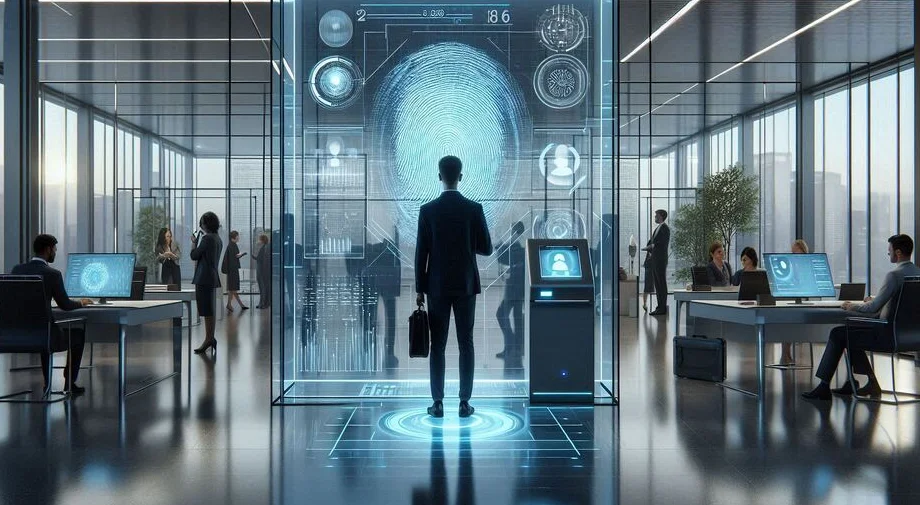
In an increasingly digital and security-conscious world, bio-verification technologies are becoming a game-changer in the hiring process. Traditional methods of candidate vetting, such as resumes, references, and background checks, are often prone to errors or fraud. With the advent of biometric technologies, hiring processes are set to undergo a radical transformation. Bio-verification offers a more secure, efficient, and trustworthy way to validate a candidate’s identity, skills, and background. In this post, we will explore how bio-verification is poised to shape the future of hiring, its benefits, challenges, and potential ethical implications.
What Is Bio-Verification?
Bio-verification refers to the use of biometric data to confirm an individual’s identity or personal information. This process typically involves capturing physical characteristics, such as fingerprints, facial recognition, or iris scans, which are then compared against a database of pre-recorded information. Bio-verification is considered one of the most secure and accurate methods of verifying identity due to the uniqueness and permanence of biological traits.
Types of Bio-Verification
There are several types of bio-verification techniques that can be used in the hiring process:
- Fingerprint Scanning: One of the most common methods, fingerprint scanning is used for access control and identity verification. It is highly accurate and nearly impossible to replicate.
- Facial Recognition: This technology uses the unique features of a person’s face to verify identity. It’s gaining popularity in various sectors, including hiring, for its convenience and ease of use.
- Iris Scanning: Iris scanning analyzes the unique patterns in the colored part of the eye. While less common, it is considered highly accurate and secure.
- Voice Recognition: This method analyzes voice patterns and is often used in remote hiring processes, especially for interviews conducted over video or phone calls.
How Bio-Verification Works
Bio-verification typically involves a multi-step process. Initially, the individual must register their biometric data through a secure platform. This data is then stored in a secure database, either locally or in the cloud. When a candidate applies for a job, their biometric data is collected again and matched with the previously recorded information. This comparison process helps to ensure that the person applying is indeed who they claim to be. The system may also cross-reference this biometric data with other databases, such as criminal or credit records, to further verify the candidate’s background.
Advantages of Bio-Verification in Hiring
Enhanced Security
One of the most significant advantages of bio-verification is its enhanced security. Unlike passwords or PINs, biometric data cannot be easily forgotten, stolen, or replicated. This reduces the likelihood of identity fraud, ensuring that the person applying for the job is who they claim to be. For organizations handling sensitive information, this added layer of security is invaluable.
Improved Candidate Trust
Bio-verification can also help build trust between candidates and employers. As biometric data is unique to each individual, it can provide a more reliable and transparent way to verify a candidate’s credentials. This reduces the potential for misrepresentation, which can ultimately lead to a more trustworthy hiring process. Candidates may feel more confident knowing that their identity is protected and validated securely.
Reducing Fraud and Bias
Fraudulent resumes and fake references can sometimes slip through the cracks in traditional hiring methods. Bio-verification helps reduce these risks by ensuring that a candidate’s identity is verified through immutable biometric data. Additionally, bio-verification can help reduce bias in hiring decisions. Since biometric data doesn’t account for factors like race, gender, or age, it can support fairer, more objective evaluations based on skills and qualifications alone.
Challenges and Ethical Considerations
Despite its many advantages, bio-verification comes with its own set of challenges and ethical concerns. For instance, there are privacy issues surrounding the collection and storage of biometric data. If not handled properly, such data could be hacked or misused. There’s also the risk of biometric data being used for surveillance, leading to concerns about individual freedoms. Additionally, not all candidates may feel comfortable with bio-verification, especially if they have concerns about privacy or technological misuse.
Impact on the Recruitment Process
The integration of bio-verification into the hiring process will likely lead to more secure and efficient recruitment practices. It could streamline background checks, reduce hiring fraud, and create a more transparent selection process. Employers will have the ability to quickly and securely verify a candidate’s identity, reducing the time spent on manual verification. However, it will also require companies to adapt to new technologies and invest in secure biometric systems, which could be an additional cost.
The Future of Bio-Verification in Hiring
As bio-verification technologies continue to evolve, they are likely to become a standard part of the hiring process. The increased adoption of AI and biometric systems will lead to even more accurate and efficient methods of identity verification. As long as privacy concerns are addressed and technological advances are carefully regulated, bio-verification could become the norm in recruitment, providing a more secure, equitable, and efficient hiring experience for all involved.
Conclusion
Bio-verification has the potential to revolutionize the future of hiring by providing a more secure, efficient, and reliable method of candidate verification. As recruitment processes continue to move towards digital and AI-driven solutions, integrating bio-verification can help reduce fraud, ensure security, and foster trust. However, it is crucial that organizations remain mindful of the ethical implications and privacy concerns associated with biometric data. The future of bio-verification in hiring looks promising, but its success will depend on careful implementation and regulation.