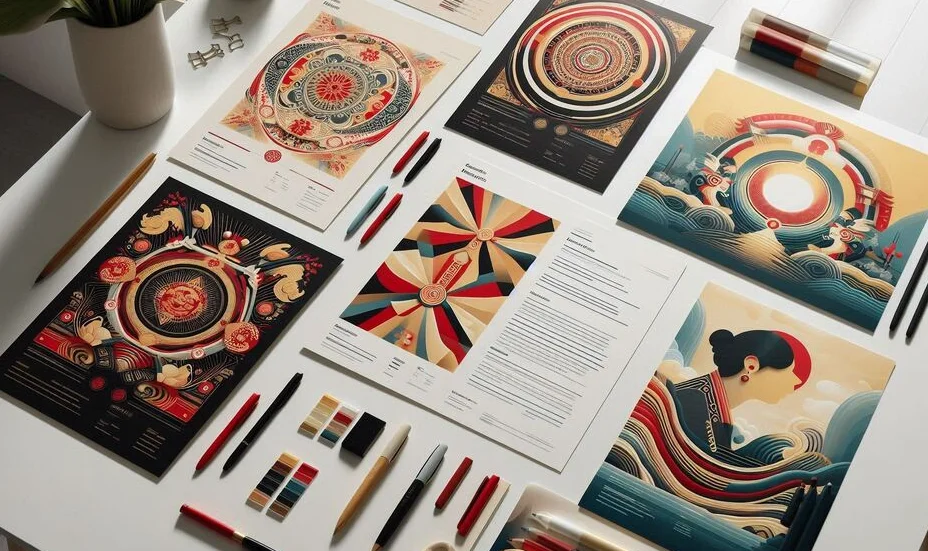
The design of your resume plays a critical role in how employers perceive you, and color choices are a significant aspect of resume design. Colors can evoke specific emotions and convey certain messages, which is why understanding the cultural meanings behind colors is essential when tailoring your resume for different international markets. This post will explore the cultural significance of color in resume design, provide insights into how different cultures interpret color, and offer practical tips on selecting the right color scheme for your resume to make a lasting impression.
Why Color Matters in Resume Design
Color isn’t just an aesthetic choice on a resume; it can shape the way your application is perceived. The use of color influences mood, professionalism, and how your information is organized and presented. Understanding how colors are interpreted culturally can give you a significant edge in international job applications, where a simple color choice could impact your chances of standing out.
The Psychology of Color
Colors have a psychological impact and can invoke certain emotions or associations. For example, blue often conveys trust and professionalism, while red can be associated with passion or urgency. In a resume context, the right use of color can help communicate your personality, while the wrong choice might send the wrong message. In a global context, however, colors hold different meanings and can even have different connotations based on cultural factors. Understanding these nuances is essential for ensuring your resume resonates with your target audience.
Cultural Significance of Color
In different cultures, colors can have vastly different meanings. What’s considered professional and appropriate in one country may be seen as bold or inappropriate in another. For example, while black is a common color for professional resumes in the U.S. and Europe, it may have different associations in other regions. Let’s dive deeper into the cultural significance of colors across the globe.
Understanding Color Perceptions Across Different Cultures
Color perceptions are not universal. Different countries and regions interpret colors based on cultural traditions, historical contexts, and local values. Below, we will explore how color is viewed across different cultures to guide your resume design strategy.
Color in Western Cultures
In many Western cultures (such as the U.S., Canada, and most of Europe), color schemes are often simple and professional, with colors like black, white, and navy being the go-to choices. Blue, in particular, is widely used because it signifies trustworthiness, reliability, and professionalism. Red can also be used to draw attention to key sections, like your name or contact information, but it should be used sparingly, as it can be seen as too bold if overdone.
In these cultures, using neutral or subdued tones helps maintain a sense of professionalism and avoids the risk of appearing overly flashy or unprofessional. The general rule in these countries is that your resume should look clean, crisp, and easy to read.
Color in Eastern Cultures
In many Eastern cultures, including countries like Japan, China, and India, color symbolism can be more complex. For example, red is considered an auspicious and lucky color in China, and can be used to convey success or good fortune. However, in Japan, red can sometimes be associated with danger or caution, and too much red in a resume may come off as overly aggressive.
In India, a mix of vibrant colors may be acceptable, particularly in creative industries, but it's important to balance bold colors with professionalism. In general, muted tones or pastels are safe choices in most Asian cultures to maintain a respectful and modest presentation.
Color in African and Latin American Cultures
In many African cultures, colors like gold, green, and red are often associated with prosperity, growth, and vitality. However, depending on the region, certain color combinations could be seen as too bold or informal for a professional resume. For example, in sub-Saharan Africa, a subtle mix of earth tones (beige, brown, and green) could work well for a resume to show humility and professionalism.
In Latin American countries, colors like red, yellow, and orange are associated with energy, optimism, and passion. For creative industries, such as marketing or design, these colors might be embraced. However, in formal industries like finance, it’s important to stick with conservative colors like navy blue or black.
How to Choose Colors for Your Resume
When selecting colors for your resume, you should consider both cultural expectations and the type of job you are applying for. While colors can make a statement, they should not overpower the content of your resume. Here’s how to choose the right colors for your resume:
Professionalism and Purpose
Always choose colors that align with the job's industry and the level of professionalism expected. For traditional fields like law, finance, and accounting, stick with neutral tones such as black, navy blue, or gray. For creative industries like advertising, design, and fashion, feel free to incorporate more vibrant colors to showcase creativity and innovation.
Color Choices by Industry
Each industry has its own expectations for what colors are appropriate. Here’s a quick breakdown of color choices by industry:
- Corporate/Finance/Legal: Stick to neutral tones like black, navy blue, gray, or dark green.
- Creative Industries (Design, Marketing, Arts): You can incorporate bolder colors like red, orange, and purple to convey creativity.
- Technology: Blues, grays, and whites are often used for a clean, modern look.
- Healthcare: Soft blues and greens are commonly used to convey trust and calmness.
Common Color Mistakes to Avoid
While choosing the right colors can enhance your resume, it’s important to avoid common color mistakes:
- Overuse of Bright Colors: Too much red or bright orange can be overwhelming. Use sparingly to highlight key sections.
- Inappropriate Colors for the Industry: Avoid using overly flashy colors like neon pink in formal industries like finance.
- Inconsistent Color Scheme: Ensure that your color choices are harmonious. Inconsistent color schemes can look unprofessional.
Conclusion
Understanding the cultural significance of colors can be a powerful tool when designing your resume for international job applications. Whether you are applying to a creative agency in the U.S. or a law firm in Germany, choosing the right colors can help convey your professionalism, creativity, and respect for local norms. By carefully considering cultural differences, industry expectations, and the psychology of color, you can create a resume that stands out while resonating with potential employers across the globe.