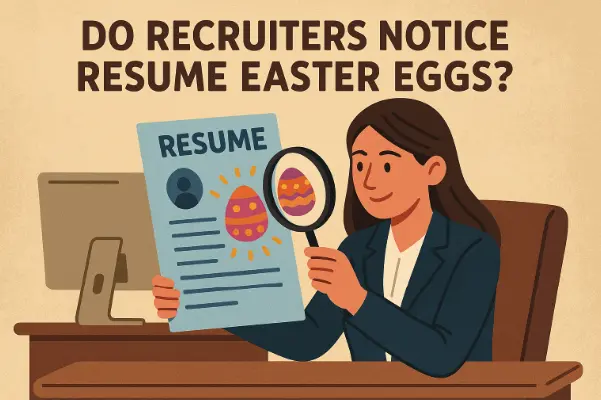
In today’s competitive hiring landscape, job seekers are constantly searching for ways to stand out. One creative strategy that has gained attention is the use of resume Easter eggs. These hidden details, subtle design elements, or clever personal touches are meant to surprise and impress recruiters.
But the big question remains: do recruiters actually notice resume Easter eggs? Or are they simply overlooked in a fast-paced screening process? This comprehensive guide explores the psychology behind hiring, how recruiters review resumes, the effectiveness of hidden resume elements, and whether this creative tactic is a smart career move.
What Are Resume Easter Eggs?
Definition and Origin
Resume Easter eggs refer to subtle, hidden details embedded within a resume that are not immediately obvious. The term “Easter egg” originally comes from the tech and gaming world, where developers hide secret messages, features, or jokes inside software.
In resumes, these can include hidden acronyms, subtle references to company values, strategic keyword placement, or discreet portfolio links.
Why Candidates Use Them
Candidates use resume Easter eggs to demonstrate creativity, attention to detail, cultural fit, and personality. The intention is to create a moment of delight for the recruiter.
Some job seekers believe these hidden touches can spark curiosity and make their application memorable in a sea of similar resumes.
Do Recruiters Actually Notice Resume Easter Eggs?
Understanding the Recruiter Screening Process
To determine whether resume Easter eggs are effective, it is important to understand how recruiters review resumes. On average, recruiters spend only a few seconds scanning each resume during the initial review stage.
They look for key qualifications, relevant experience, measurable achievements, and job-specific skills. During this quick scan, subtle hidden elements may go unnoticed unless they are strategically placed and relevant.
Human Review vs Applicant Tracking Systems
Many companies use Applicant Tracking Systems (ATS) to filter resumes before a human ever sees them. These systems scan for keywords, formatting compatibility, and specific criteria related to the job description.
If a resume Easter egg interferes with formatting or keyword clarity, it could reduce the chances of passing automated screening.
However, once a resume reaches a human recruiter or hiring manager, clever but professional hidden details might be appreciated, particularly in creative industries such as marketing, design, media, branding, and technology startups.
Types of Resume Easter Eggs
Visual Easter Eggs
Visual resume Easter eggs include subtle design choices such as color schemes that match a company’s branding, minimal icons, creative section dividers, or discreet typography variations.
While visually appealing resumes can stand out, excessive design elements can distract from the content or create compatibility issues with digital screening tools.
Content-Based Easter Eggs
These involve clever wording, strategic storytelling, or subtle references to the target company’s mission statement. For example, a candidate applying to a sustainability-focused organization might integrate measurable environmental achievements that align closely with company values.
Another example includes using structured bullet points that spell out a relevant word vertically. However, this must remain subtle and professional.
Digital Easter Eggs
Modern resumes often include QR codes, portfolio links, LinkedIn profiles, GitHub repositories, or personal websites. Some candidates hide interactive elements within digital resumes or online portfolios that reward recruiters who explore further.
This approach works well for software developers, product designers, digital marketers, and tech professionals where innovation is valued.
Risks and Rewards of Using Resume Easter Eggs
The primary reward of using resume Easter eggs is differentiation. In competitive fields, even a small creative touch can make a candidate memorable. It can signal confidence, originality, and cultural awareness.
However, the risks should not be ignored. If hidden details appear gimmicky, irrelevant, or overly complex, they may be perceived as unprofessional.
Additionally, in conservative industries such as law, finance, government, or compliance, creativity must be used cautiously. Professional tone and structure often outweigh innovative presentation.
When Should You Use Resume Easter Eggs?
- Applying for creative or innovation-driven roles
- Targeting startup companies or modern brands
- Submitting digital portfolios alongside resumes
- When the job description encourages personality and originality
They are less suitable when applying to highly regulated industries or traditional corporate environments. Understanding the company culture is critical before adding subtle creative elements.
Best Practices for Adding Hidden Resume Details
- Prioritize clarity over cleverness
- Ensure ATS compatibility
- Keep formatting clean and professional
- Make hidden elements relevant to the job role
- Avoid controversial humor or obscure references
- Test your resume with standard screening tools
- Ensure links and digital elements function properly
The best resume Easter eggs feel natural rather than forced. They enhance rather than distract from qualifications.
Expert Verdict: Are Resume Easter Eggs Worth It?
Industry experts generally agree that strong qualifications, measurable achievements, and tailored applications matter far more than hidden resume tricks.
However, when executed thoughtfully and strategically, resume Easter eggs can create a positive impression. The key is subtlety. Recruiters appreciate professionalism first.
Conclusion
So, do recruiters notice resume Easter eggs? The answer depends on context, industry, and execution. Subtle, relevant touches that align with company culture can leave a lasting impression.
Ultimately, your resume should communicate value, competence, and clarity. If a creative element strengthens that message without compromising professionalism, it can be a strategic advantage.
The smartest approach is balance. Focus on strong content first. Then, if appropriate, enhance it with thoughtful personal branding elements that demonstrate both skill and personality.