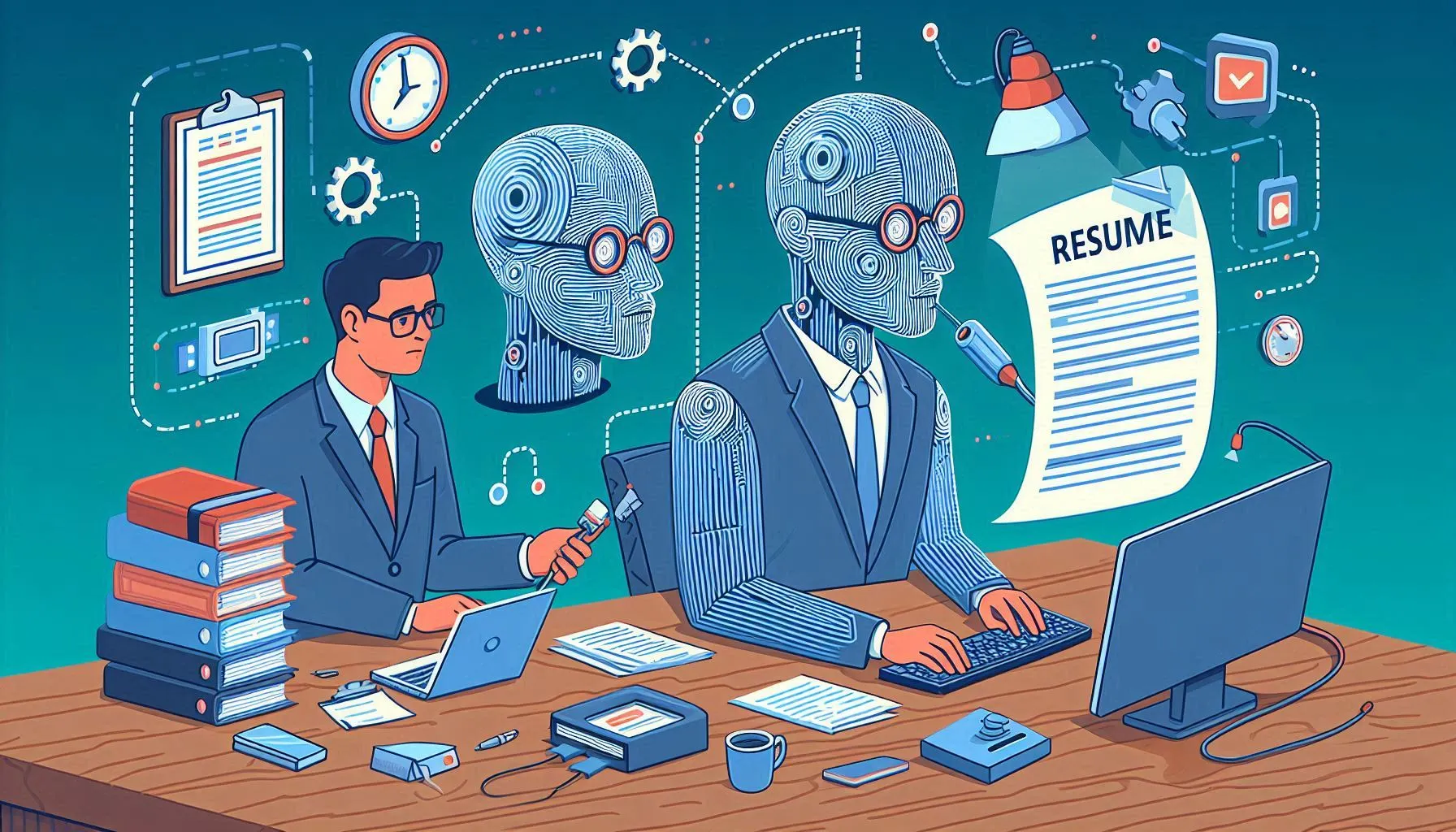
Artificial intelligence (AI) is revolutionizing the job application process by making it easier for job seekers to optimize their resumes. While this can lead to better visibility and a more professional presentation, it also raises important ethical questions about the fine line between resume optimization and misrepresentation. How far is too far when using AI to enhance your resume? In this post, we explore the ethical implications of AI in resume writing, its potential to improve job applications, and the risks of crossing ethical boundaries.
Understanding AI Resume Optimization
AI resume optimization refers to using machine learning algorithms and natural language processing (NLP) to enhance resumes. These tools help identify relevant keywords, improve formatting, suggest content adjustments, and tailor resumes to specific job descriptions. AI-powered platforms can analyze vast amounts of data from job postings, industry standards, and successful resumes to provide recommendations that make resumes more appealing to hiring managers and Applicant Tracking Systems (ATS).
How AI Optimizes Resumes
AI tools typically work by scanning your resume and analyzing it for areas of improvement. These platforms can suggest keyword inclusion based on the job you're targeting, adjust language to better match industry standards, and help restructure your resume to highlight the most relevant skills and experience. AI also helps streamline formatting, ensuring your resume meets the formatting standards used by ATS, which often play a pivotal role in the recruitment process.
Popular AI Resume Tools
Several AI-powered tools are currently available for resume optimization. Some popular options include:
- Jobscan: This platform focuses on optimizing resumes for ATS, analyzing the alignment between your resume and job descriptions.
- Rezi: An AI-driven resume builder that ensures resumes are ATS-friendly while offering tailored content suggestions.
- Zety: A resume builder that uses AI to help users craft well-written, professional resumes with customizable templates.
- Resume.io: An AI tool that provides templates and customization options while offering suggestions based on industry standards and job trends.
The Ethics of AI in Resume Writing
As AI becomes more integrated into the job application process, its ethical implications must be carefully considered. While AI can undoubtedly enhance a resume by optimizing keywords, formatting, and structure, there's a fine line between ethical optimization and crossing into misrepresentation. When does tweaking your resume to increase your chances of being noticed become deceitful?
Optimization vs. Misrepresentation
Optimization involves tailoring your resume to meet the specific requirements of a job posting without distorting the truth. This can include adjusting your phrasing to match keywords in the job description or highlighting experiences that are most relevant to the role. Misrepresentation, however, occurs when the AI is used to exaggerate or fabricate details about your qualifications, experience, or skills. This might include inflating job titles, claiming skills or certifications that were never acquired, or adding false accomplishments to make your resume appear more competitive.
Potential Risks of Misuse
The misuse of AI in resume writing can lead to serious consequences. If AI tools are used to falsify qualifications, there are significant ethical and legal risks involved. Misrepresenting your qualifications can not only damage your reputation but also result in termination if discovered after hiring. Furthermore, relying too heavily on AI to tailor your resume can result in an impersonal and formulaic document that may fail to capture the unique qualities that differentiate you from other candidates.
Best Practices for Ethical AI Use in Resumes
To ensure you are using AI ethically in your resume, follow these best practices:
- Stick to the truth: Use AI to enhance the clarity and structure of your resume, but never fabricate information. Ensure that any skill or experience listed is accurate and truthful.
- Focus on relevancy: Use AI to tailor your resume to highlight the most relevant skills and experiences for the job. AI can help you fine-tune your resume without exaggerating your abilities.
- Maintain authenticity: While AI can help optimize your content, make sure your resume still reflects your true voice. Avoid over-optimizing to the point where your resume sounds generic or robotic.
- Review AI suggestions: Don’t blindly accept every AI recommendation. Review the suggestions and adjust them to fit your unique experiences and achievements.
Should You Use AI to Write Your Resume?
AI can be a valuable tool for resume optimization, especially if you are looking to save time, enhance readability, and ensure your resume meets ATS requirements. However, it's essential to use AI responsibly. While AI can assist with formatting and keyword optimization, it should never replace your judgment, creativity, or honesty. If used correctly, AI can help you craft a more effective resume without crossing ethical boundaries.
Conclusion
AI-driven resume optimization tools offer job seekers a quick and efficient way to enhance their resumes, but they also come with ethical considerations. The key lies in using AI to improve your resume's structure and clarity without resorting to misrepresentation or exaggeration. By following ethical practices and maintaining authenticity, you can leverage AI to improve your job application while preserving your integrity.