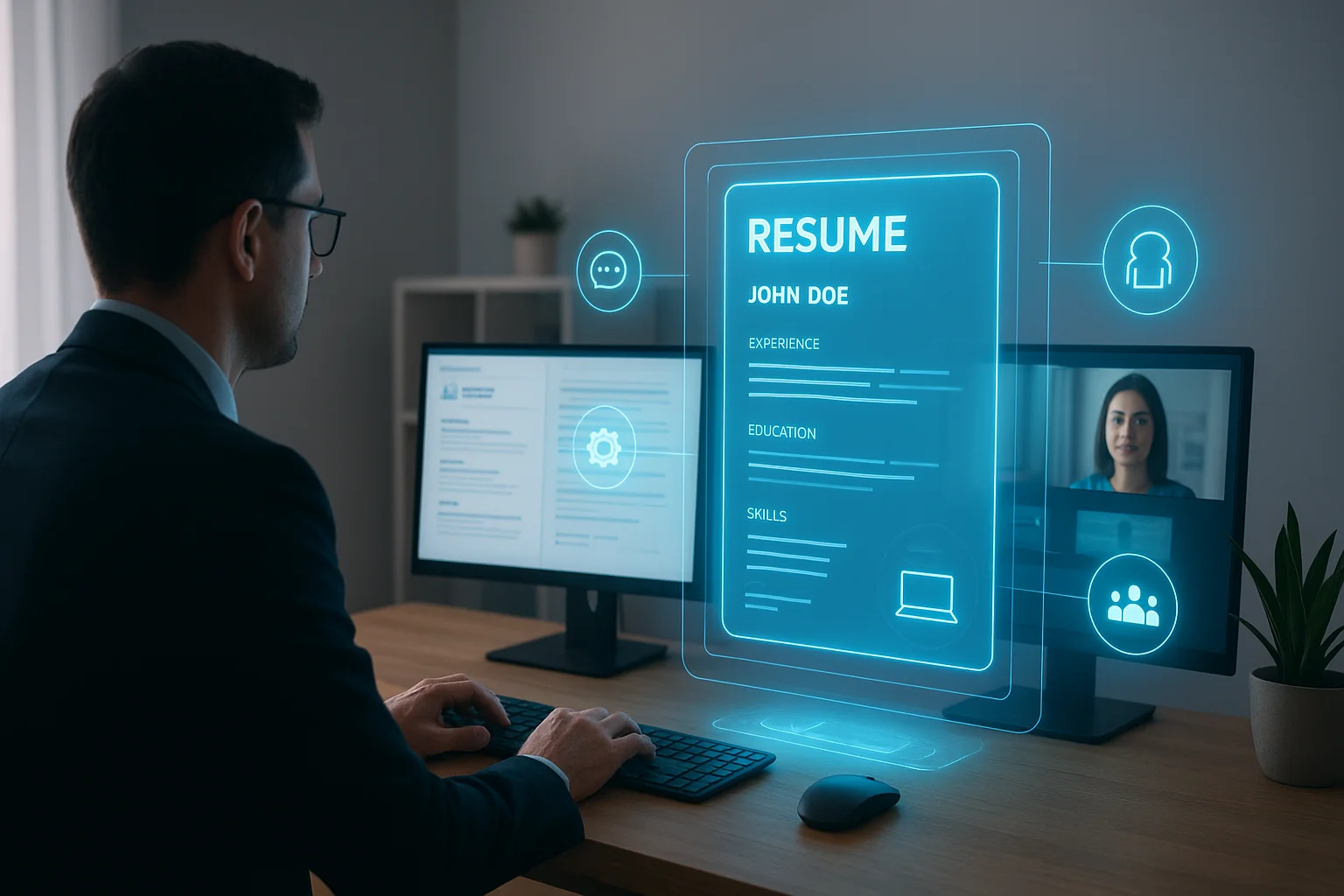
The landscape of work has shifted dramatically in recent years, with remote work becoming a permanent fixture for many industries. This shift has transformed what employers expect from resumes as they seek candidates who are not only skilled but also capable of thriving in a virtual environment. Crafting a resume that speaks to the demands of the remote work era is essential for job seekers looking to stand out and secure positions that may never require stepping foot in a traditional office. In this post, we explore what employers are now looking for and how you can adapt your resume accordingly.
Why Resumes Must Adapt for the Remote Work Era
The Rise of Remote and Hybrid Work Models
Remote and hybrid work have moved from being optional perks to core components of many companies’ operating models. This means employers prioritize candidates who have proven they can succeed independently outside a traditional office environment. Your resume must reflect this new reality.
Changing Employer Expectations
Employers today want more than technical skills; they want candidates who demonstrate excellent communication, self-discipline, and the ability to collaborate virtually. A resume that highlights these qualities aligns with their priorities and increases your chances of progressing through the hiring process.
Increased Competition in Remote Hiring
Remote work opens job opportunities to a global talent pool, increasing competition. A tailored resume that clearly shows your remote work readiness gives you a competitive edge by reassuring employers of your fit for their distributed teams.
Key Skills Employers Look For in Remote Work Resumes
Strong Remote Communication Skills
Effective communication across digital platforms is critical. Highlight your experience with virtual meetings, written communication, and use of collaboration tools to show you can keep teams aligned and informed.
Self-Motivation and Time Management
Remote work requires discipline to manage tasks and deadlines independently. Demonstrate your ability to work autonomously and maintain productivity without direct supervision.
Tech Savviness and Digital Literacy
Employers expect you to be comfortable with various remote tools such as Zoom, Slack, Trello, or project management software. Include specific tools and technologies you have used successfully.
Virtual Collaboration Experience
Showcase how you have collaborated with geographically dispersed teams, coordinated projects, or contributed to group success in a virtual setting.
Adaptability and Problem Solving
Remote work environments can be unpredictable. Employers value candidates who demonstrate flexibility and resourcefulness when facing challenges or changing priorities.
How to Craft a Remote-Friendly Resume
Highlight Remote Work Experience
If you have prior remote or hybrid work experience, place it prominently. Specify the nature of the role, tools used, and accomplishments achieved while working remotely.
Use Remote-Specific Keywords
Incorporate keywords such as remote work, virtual team, telecommuting, distributed team, online collaboration, and specific software tools to optimize your resume for applicant tracking systems (ATS) and recruiter searches.
Demonstrate Results and Impact
Quantify achievements to show how you delivered value independently. Use metrics and concrete examples like project completions, improvements, or client satisfaction gained through remote work.
Showcase Communication and Collaboration
Include examples of how you kept teams connected and productive through regular updates, virtual meetings, or cross-functional coordination.
Format for Clarity and Readability
Use clear headings, bullet points, and a logical flow to make your resume easy to scan. Remote employers often review many resumes quickly, so clarity is essential.
Useful Tools and Resources for Remote Job Seekers
Leverage platforms like LinkedIn, Remote.co, We Work Remotely, and FlexJobs for job searching. Use tools like Grammarly for clear writing, Canva for visually appealing resumes, and Google Docs or Word for accessible formatting. Consider creating an online portfolio or personal website to showcase your remote work skills and projects.
Conclusion
As remote work continues to redefine employment landscapes, adapting your resume to highlight the skills and experiences employers value in this new era is crucial. By focusing on communication, self-management, technology fluency, and virtual collaboration, your resume will better capture the attention of hiring managers looking for remote-ready candidates. Investing time to tailor your resume for remote roles enhances your chances of landing meaningful work in a flexible, digital-first world.