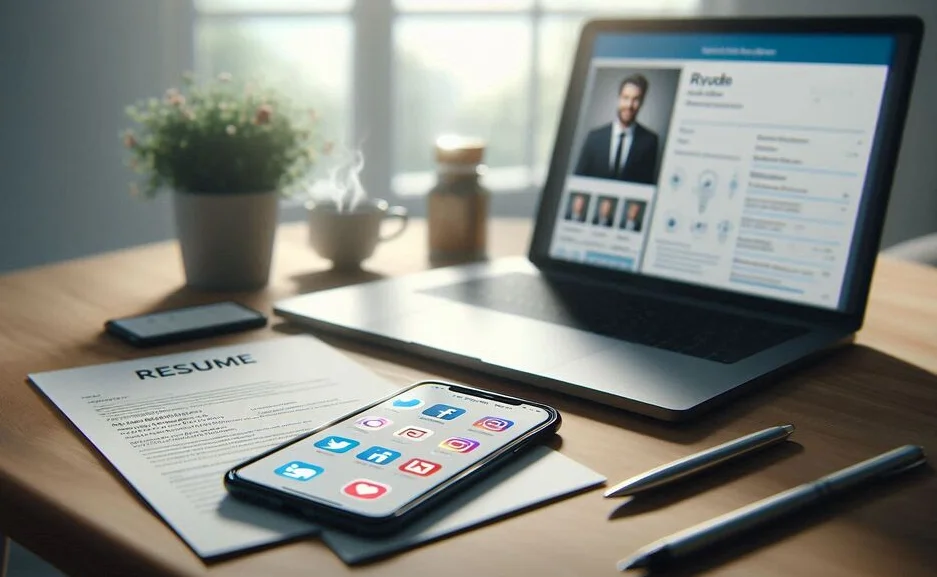
In today's job market, the line between professional and digital presence is increasingly blurred. Recruiters and hiring managers often check a candidate's online presence before making interview decisions. This raises a key question for job seekers: should you list your social media on a resume, and if so, when does it actually help you stand out? This blog explores the benefits, risks, and best practices of integrating social media into your professional resume.
The Importance of Social Media in Modern Recruitment
Social media has become a critical part of the hiring process. Beyond resumes and cover letters, employers look at how candidates present themselves online, their engagement in professional communities, and the authenticity of their personal brand.
Your Digital Footprint and Hiring Decisions
Every post, comment, or share contributes to your digital footprint. A strong, positive footprint can reinforce the image presented in your resume, while a careless one can damage your credibility. Employers use this footprint to assess cultural fit, communication style, and thought leadership.
How Employers Research Candidates Online
According to recent recruitment trends, more than 70 percent of employers research candidates online before extending interview invitations. LinkedIn remains the primary platform, but Twitter, GitHub, Behance, and even Instagram are relevant depending on the role and industry.
When to Add Social Media to a Resume
Including social media on a resume can work to your advantage if the accounts are professional, relevant, and demonstrate your expertise. The key is ensuring that the presence aligns with the role you are targeting.
Professional Social Media Profiles
LinkedIn is almost always appropriate to include since it acts as an extended resume and networking platform. GitHub showcases coding projects, while Behance highlights design portfolios. These accounts demonstrate tangible skills and projects that reinforce your resume claims.
Industry-Specific Benefits
For creative fields like marketing, graphic design, or content creation, including social media accounts such as Instagram or TikTok can demonstrate real-world application of skills. For technology professionals, GitHub and Stack Overflow profiles can establish technical expertise.
Social Media as a Personal Branding Tool
Professionals who share thought leadership content, publish articles, or engage in industry discussions can showcase personal branding through social media. Listing these accounts signals to employers that you are active, informed, and invested in your field.
When Not to Include Social Media
Not every social media account is resume-worthy. Inappropriate or irrelevant accounts can hurt your chances rather than help them.
Irrelevant or Personal Accounts
If your profiles focus on personal hobbies unrelated to your field, they add no value to your application. Unless those hobbies directly tie into transferable skills, leave them out of your resume.
Unprofessional Content Risks
Any content that could be interpreted as offensive, controversial, or unprofessional should never be associated with your resume. Employers expect discretion and professionalism in public accounts linked to job applications.
Avoiding Oversharing and Privacy Concerns
Sharing too many personal details on a professional resume raises privacy concerns. Candidates must carefully evaluate which accounts contribute positively to their professional identity.
Best Practices for Adding Social Media to a Resume
If you decide to include social media, it should be done strategically. Consider the following best practices to maximize its impact.
Choose the Right Platforms
Only include accounts that reflect positively on your professional expertise. LinkedIn, GitHub, Behance, and Twitter (for thought leadership) are usually the safest bets. Platforms like Facebook or Snapchat rarely add professional value.
Curate and Clean Up Your Profiles
Before adding links to your resume, audit your accounts. Remove or hide old content that does not align with your career goals. Highlight work samples, professional discussions, and industry engagement.
Where to Place Social Media on a Resume
Social media handles are usually placed in the header alongside contact information. They should be presented cleanly, with URLs shortened if possible. Avoid cluttering your resume by including too many accounts—two or three well-chosen links are enough.
Future Trends in Social Media and Resume Integration
Looking forward, resumes may evolve into more interactive formats, with QR codes linking directly to professional social media, digital portfolios, or video introductions. Employers are increasingly valuing authenticity and a consistent personal brand across platforms. Job seekers who master both resume polish and professional social media presence will stay ahead in the 2025 job market.
Conclusion
Listing social media on a resume can be a strategic advantage when done thoughtfully. The key is to focus on professional, relevant platforms that highlight your skills, creativity, and engagement. Avoid personal or unprofessional accounts, and always curate your content before sharing. In 2025, candidates who leverage both polished resumes and strong digital branding will stand out most effectively to recruiters and hiring managers.