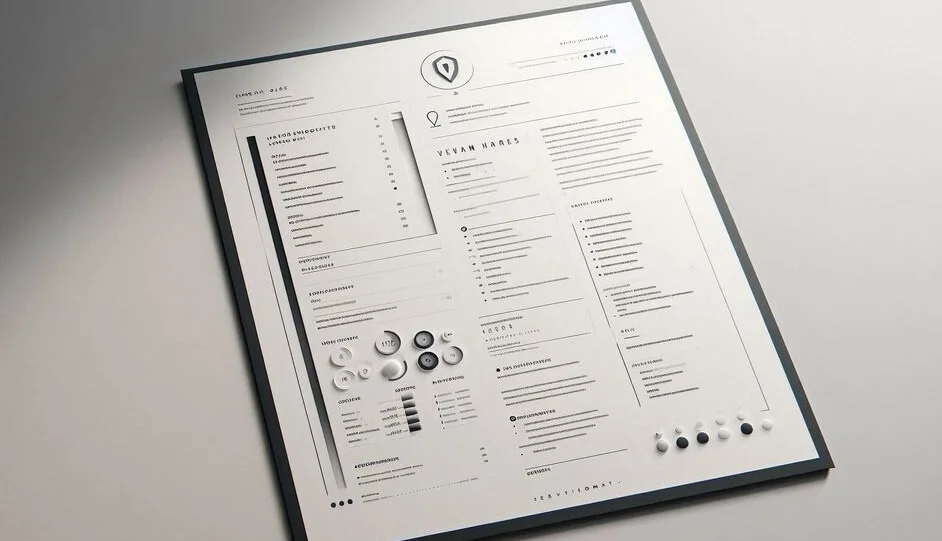
When it comes to modern resume design, the importance of clean and effective layouts cannot be overstated. One often-overlooked design element that can transform your resume is negative space. Negative space refers to the empty areas around and between elements in a design. While it may seem counterintuitive to leave empty space on a resume, when used strategically, it can enhance the visual appeal and readability of your document, making it easier for recruiters to quickly assess your qualifications and experience. In this post, we’ll explore how negative space plays a crucial role in modern resume design and how to leverage it effectively to create a resume that stands out for the right reasons.
Understanding Negative Space
Definition and Principles
Negative space, also known as white space, is the portion of a design that is left unmarked or empty. It can be the space between text, images, and other design elements. In resume design, negative space doesn’t mean “blank” or “empty”; instead, it is a deliberate design choice that helps to create structure and clarity. By allowing your content to "breathe," negative space separates information into digestible chunks and improves the overall flow of your resume. The key principle is that less is often more too much content crammed into a small area can feel overwhelming, while well-thought-out spacing can make your resume appear polished and professional.
Role in Visual Hierarchy
In design, visual hierarchy refers to the arrangement of elements to guide the viewer’s eye in a particular order. Negative space plays a vital role in this process by creating clear sections and helping the most important information stand out. For example, using generous space around your name and contact information helps it become the first thing a recruiter sees. Similarly, spacing between job titles and bullet points draws attention to your achievements rather than burying them in dense blocks of text. Proper use of negative space can make your resume more effective by making sure that the right information catches the recruiter’s eye first.
Incorporating Negative Space in Resumes
Creating Breathing Room
One of the simplest ways to incorporate negative space into your resume is by creating breathing room between sections. For example, don’t crowd your professional summary, skills, and work experience all together give each section its own space to stand out. This will allow recruiters to scan your resume more easily and make it clear where each section begins and ends. By spacing out elements like your job titles, company names, and dates of employment, you create a clean, organized layout that enhances readability.
Balance and Simplicity
Another key to effective use of negative space is balance. You don’t need to fill every inch of the page with content. In fact, less is often more when it comes to resume design. By balancing text and space, you avoid the cluttered, overwhelming feeling that many resumes fall victim to. For example, instead of listing every single responsibility you’ve ever had, focus on your top achievements, and give them space to shine. In addition, simplicity in design such as using consistent margins, fonts, and line spacing fosters a clean, professional aesthetic that’s easy for hiring managers to follow.
Guiding the Eye
Negative space can also guide the reader’s eye and help them focus on important sections of your resume. You can use blank space as a visual cue to prioritize key areas, such as your skills, accomplishments, and certifications. By leaving enough white space around these sections, you draw attention to your core strengths. This helps recruiters quickly identify the most relevant information they’re looking for, which can make a significant impact in the highly competitive job market.
Benefits of Negative Space in Resume Design
Aesthetic Appeal
Negative space enhances the aesthetic appeal of your resume, making it look modern and professional. A clean, organized design with plenty of space around text and headings gives the resume a polished and sophisticated appearance. It helps your resume stand out in a stack of applications, where cluttered or dense resumes may be quickly overlooked. A well-designed resume with an appropriate amount of negative space communicates attention to detail and professionalism, traits that hiring managers highly value.
Enhanced Readability
Clarity is essential in a resume. When you use negative space effectively, your resume becomes more legible and easier to scan. Spacing between sections, lines, and blocks of text allows recruiters to quickly identify key pieces of information. Clear separation between work experience, skills, education, and other sections makes it easier for hiring managers to find what they’re looking for in seconds. This streamlined approach helps reduce cognitive overload, ensuring that your resume gets the attention it deserves.
Emphasizing Key Information
Negative space isn’t just about separating content; it’s also about emphasizing what matters most. By strategically leaving space around your most important achievements, you highlight your key qualifications. For example, adding extra space around your job title, key accomplishments, or certifications will draw attention to them and make them stand out. This subtle yet powerful design choice ensures that recruiters won’t miss the aspects of your background that are most relevant to the job you’re applying for.
Common Mistakes to Avoid
While negative space can elevate your resume, it’s essential to use it wisely. Some common mistakes include excessive white space that leaves too much empty room, making your resume feel incomplete or underdeveloped. Additionally, some candidates use too much formatting, such as bold headings, large font sizes, and unnecessary graphics, which can clutter the page and diminish the effectiveness of negative space. Finding the right balance between spacing and content is key to achieving a resume design that is both attractive and functional.
Conclusion
Negative space is a powerful design element that, when used thoughtfully, can elevate your resume and enhance your chances of getting noticed by recruiters. By understanding how to incorporate negative space effectively, you can create a resume that is not only aesthetically appealing but also easy to read and scan. Whether you’re applying for a creative role or a more traditional position, the principles of negative space can help your resume stand out in today’s competitive job market. Remember, simplicity, balance, and clarity are the keys to using negative space effectively and crafting a resume that works for you.