Understanding White Space
What is White Space?
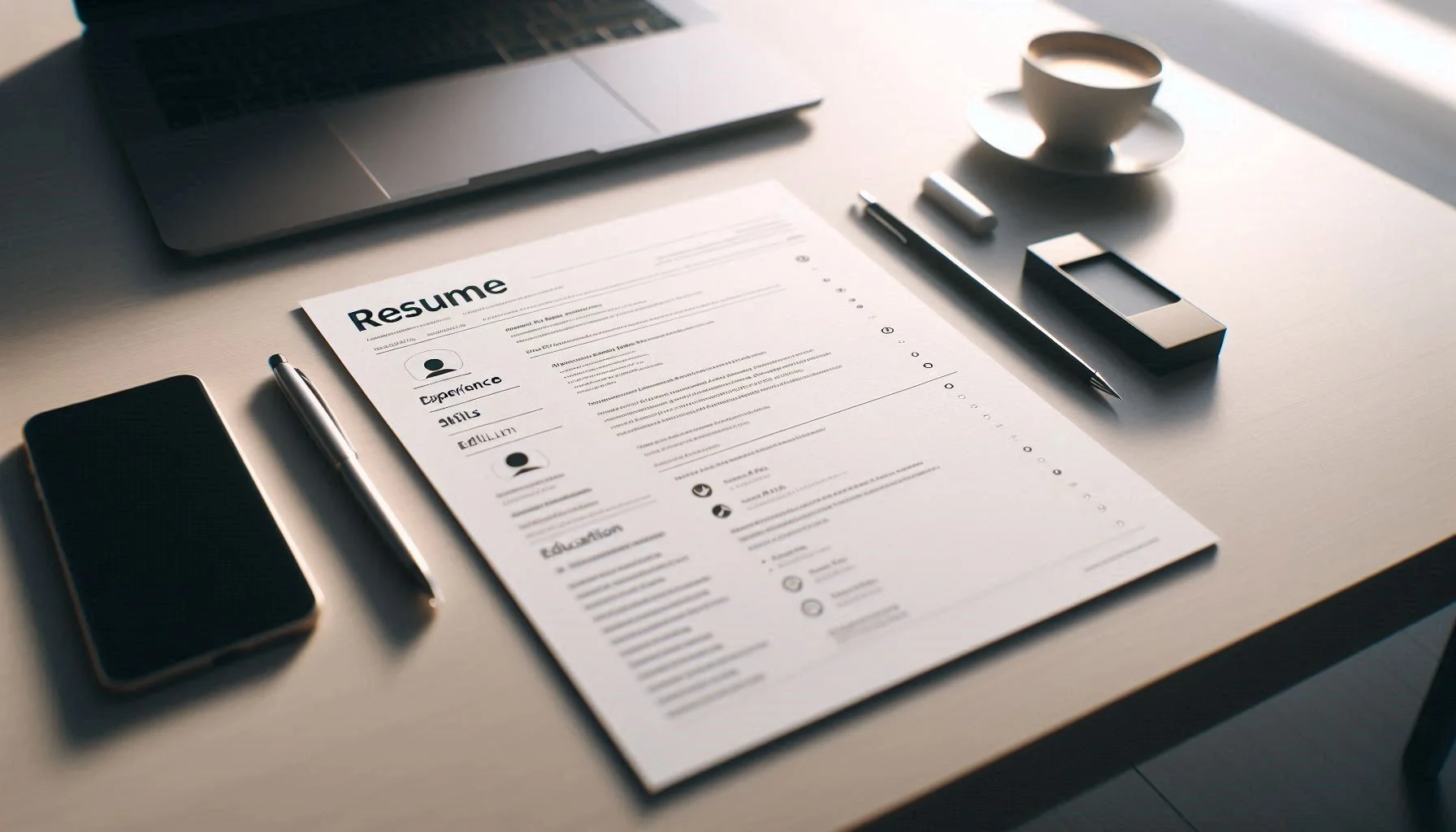
White space, also known as negative space, refers to the empty areas between elements on a page, such as text, headings, and images. It does not necessarily have to be white-it can be any color, but it is most commonly associated with the blank spaces that surround content. In resume design, white space is not wasted space; instead, it plays a crucial role in how your resume is perceived. The goal is to balance content with enough breathing room, making your resume visually digestible and organized.
Why White Space Matters in Resume Design
White space is essential because it creates a clean, organized look that invites the reader’s eye to move naturally from one section to the next. When done correctly, it improves the overall structure of the resume, helping to guide the recruiter through your qualifications without feeling overwhelmed. Too little white space makes a resume look cluttered, while too much can make it appear unfinished. Achieving the right balance is key to ensuring that your resume stands out for all the right reasons.
The Benefits of Using White Space in Your Resume
Improving Readability and Legibility
One of the primary benefits of white space is its ability to enhance readability. Recruiters often skim resumes quickly, so ensuring that your resume is easy to read is crucial. White space acts as a buffer between sections, making it easier for hiring managers to follow your career progression and pick out key details. Properly spaced content allows the reader to focus on one section at a time, making it easier to absorb and process information.
Creating a Visual Hierarchy
White space helps create a visual hierarchy on your resume, which is essential for guiding the reader’s eye to the most important information first. By strategically placing more white space around section headings, job titles, and key accomplishments, you can highlight these areas and ensure they stand out. For example, a large gap above your job title or education section makes it immediately noticeable and encourages the recruiter to read it with more focus. A strong visual hierarchy helps recruiters find the most important information quickly, which is crucial in today’s fast-paced hiring environment.
Enhancing Professionalism and Aesthetics
Clean design, supported by white space, conveys professionalism. A cluttered, text-heavy resume can appear unprofessional and may give the impression that the candidate is not detail-oriented or capable of presenting information in an organized manner. By using white space effectively, you present a resume that is polished, easy to navigate, and visually appealing. A well-structured resume with appropriate white space demonstrates to potential employers that you value clarity and professionalism.
How to Incorporate White Space Into Your Resume
Margin and Spacing Guidelines
To maximize the impact of white space, it’s important to set proper margins and spacing. Standard resume margins are typically 1 inch on all sides, but depending on the length of your resume, you may want to adjust them slightly. A resume that is too tightly packed will feel cramped, while one with too wide margins may look sparse. Experiment with a balanced approach to ensure your resume has adequate white space around the edges without feeling empty.
Choosing the Right Font Size and Line Spacing
The font size you choose can greatly affect the amount of white space on your resume. A font size between 10 and 12 points is generally ideal for the body text, with slightly larger sizes for headings. Additionally, adjusting the line spacing (leading) can improve readability. Use 1.15 or 1.5 line spacing to avoid a dense, cramped look. Increasing line spacing gives your text room to breathe, which enhances legibility without sacrificing space.
Using Section Breaks Effectively
Well-placed section breaks are an excellent way to create white space in your resume. Use headers and subheaders to separate sections, ensuring that there’s enough space between each part. For example, leave a few blank lines between job titles, company names, and job descriptions. This separation helps the recruiter quickly identify the section they’re looking for and contributes to the overall clean, organized look of the resume.
Common Mistakes to Avoid in Resume Design
Overcrowding Your Resume
One of the most common mistakes in resume design is overcrowding. While it’s tempting to fit as much information as possible into the available space, doing so can lead to a cluttered and difficult-to-read document. Too much text without sufficient white space makes it hard for recruiters to find key information. Focus on including only the most relevant experience, skills, and accomplishments while ensuring enough space between sections and lines.
Using Too Much White Space
While white space is crucial, using too much of it can make your resume look incomplete. It’s important to strike a balance between having enough white space for readability and maintaining a compact, informative layout. A resume with excessive gaps may seem underdeveloped or may not present enough information to effectively showcase your qualifications. Make sure to fill the space with content that highlights your strengths while maintaining a clean, organized design.
Conclusion
The power of white space in resume design cannot be underestimated. By using white space effectively, you create a clean, readable resume that is not only aesthetically pleasing but also functional. Recruiters will appreciate the clarity and organization, allowing them to focus on your qualifications without distraction. With the right balance of text and empty space, your resume will stand out in a crowded job market, making it more likely that you’ll land that coveted interview. Remember, less is often more when it comes to resume design-opt for a streamlined, professional layout that emphasizes both content and readability.