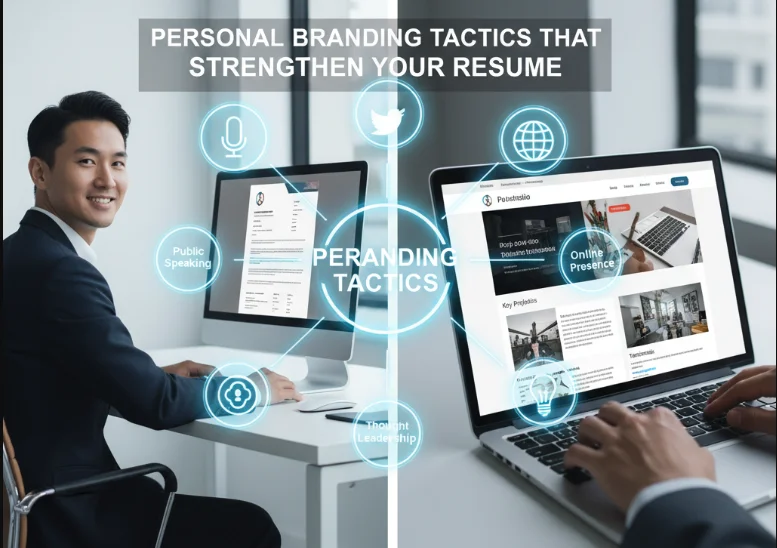
In today’s competitive job market, a resume alone is often not enough to stand out. Employers increasingly evaluate candidates beyond qualifications and work experience by examining online presence, professional reputation, communication style, and industry engagement. This shift has made personal branding one of the most powerful tools for career growth and resume strength.
Personal branding is the process of intentionally shaping how professionals present themselves to employers, clients, recruiters, and industry communities. A strong personal brand communicates expertise, credibility, personality, and professional value consistently across resumes, portfolios, networking platforms, and digital content.
Candidates who build recognizable and trustworthy personal brands often gain stronger visibility, better networking opportunities, and increased recruiter interest. Understanding how personal branding connects with resume strategy can significantly improve career opportunities in modern hiring environments.
Understanding Personal Branding
What Is Personal Branding
Personal branding refers to the professional image and reputation a person creates intentionally over time. It reflects how others perceive an individual’s skills, expertise, communication style, values, and professional identity.
A personal brand may include:
- Professional expertise
- Industry specialization
- Communication style
- Online presence
- Portfolio work
- Networking reputation
- Public achievements and contributions
Strong personal branding helps candidates become memorable and recognizable in crowded job markets.
Why Personal Branding Matters in Hiring
Modern employers often research candidates online before scheduling interviews or making hiring decisions. Recruiters may review:
- Professional networking profiles
- Online portfolios
- Industry content and articles
- Project repositories
- Public speaking or webinar participation
- Professional communities and engagement
A well developed personal brand creates stronger credibility and trust during this evaluation process.
Candidates with clear professional identities often appear:
- More experienced
- More confident
- More knowledgeable
- More committed to their field
This psychological advantage can strongly influence recruiter perception.
How Personal Branding Strengthens Your Resume
Creating a Clear Professional Identity
One of the biggest resume challenges is appearing too generic. Personal branding helps candidates define a specific professional identity that differentiates them from competitors.
For example, instead of presenting themselves simply as:
Marketing professional
A stronger branded identity may be:
Growth focused digital marketing strategist specializing in audience engagement and performance optimization
This type of positioning creates a clearer and more memorable impression.
Building Trust and Credibility
Strong personal branding reinforces credibility because it provides external evidence of expertise and professionalism.
Recruiters often trust candidates more when they see:
- Consistent professional messaging
- Published work or case studies
- Industry certifications
- Portfolio projects
- Professional networking activity
These elements support resume claims with visible proof of competence and engagement.
Increasing Visibility in Competitive Markets
Personal branding improves visibility because candidates become easier to discover and remember. Professionals who actively participate in industry conversations and maintain strong online profiles often attract opportunities proactively.
This visibility can lead to:
- Recruiter outreach
- Networking opportunities
- Freelance projects
- Speaking invitations
- Leadership opportunities
A resume connected to a recognizable professional brand often gains stronger attention during hiring reviews.
Best Personal Branding Tactics for Career Growth
Building a Strong Online Presence
A professional online presence is one of the most important personal branding tools. Recruiters frequently evaluate digital profiles before making hiring decisions.
A strong online presence may include:
- Professional networking profiles
- Personal websites
- Portfolio platforms
- Professional biographies
- Industry relevant achievements
Profiles should remain updated, professional, and consistent with resume content.
Creating a Professional Portfolio
Portfolios provide practical evidence of skills and achievements. They are especially valuable in industries such as:
- Technology
- Marketing
- Design
- Writing
- Consulting
- Data analytics
Strong portfolios may include:
- Case studies
- Project results
- Work samples
- Research reports
- Creative designs
- Technical applications
Portfolios strengthen resumes by transforming claims into visible demonstrations of expertise.
Content Creation and Thought Leadership
Creating professional content can significantly improve personal branding and industry credibility.
Examples include:
- Industry articles
- Blog posts
- Educational videos
- Webinars and presentations
- Research insights
- Professional commentary
Thought leadership positions candidates as knowledgeable professionals who actively contribute to industry discussions.
Strategic Networking
Networking remains one of the most powerful career development strategies. Strong professional relationships increase visibility and credibility within industries.
Effective networking activities may include:
- Participating in professional communities
- Attending conferences and webinars
- Collaborating on projects
- Engaging with industry professionals online
- Sharing valuable insights and expertise
Candidates with strong professional networks often receive referrals and opportunities more frequently.
Certifications and Continuous Learning
Continuous learning strengthens personal branding by demonstrating commitment to professional growth.
Valuable additions may include:
- Industry certifications
- Specialized technical training
- Online learning programs
- Leadership development courses
- Skill focused workshops
Recruiters often view continuous learners as more adaptable and future ready.
How to Reflect Personal Branding on Your Resume
Writing a Branded Professional Summary
The professional summary should clearly communicate a candidate’s unique value and professional positioning.
Strong branded summaries often include:
- Industry specialization
- Core strengths
- Career achievements
- Professional identity
Example:
Data driven product manager specializing in customer experience optimization, cross functional collaboration, and digital growth strategies
This creates a stronger impression than generic objective statements.
Highlighting Signature Achievements
Resumes should emphasize achievements that support personal brand positioning.
Examples may include:
- Successful project launches
- Business growth contributions
- Leadership accomplishments
- Innovation initiatives
- Process optimization results
Achievement focused resumes reinforce professional credibility and expertise.
Maintaining Consistency Across Platforms
Consistency is essential for strong personal branding. Professional summaries, portfolio content, networking profiles, and resumes should communicate similar expertise and career positioning.
Inconsistent branding may create confusion and reduce recruiter trust.
Consistent messaging improves recognition and reinforces professional identity.
Common Personal Branding Mistakes
Many professionals weaken their personal branding unintentionally through avoidable mistakes.
- Using inconsistent professional messaging
- Maintaining outdated online profiles
- Creating overly generic resumes
- Ignoring portfolio development
- Failing to demonstrate measurable achievements
- Over promoting without providing value
Strong personal branding requires authenticity, consistency, and professional relevance.
The Future of Personal Branding in Hiring
Personal branding will likely become even more important as hiring becomes increasingly digital and competitive.
Future hiring trends may include:
- AI driven professional profile analysis
- Greater emphasis on online credibility
- Skills based hiring systems
- Portfolio focused recruitment
- Increased recruiter reliance on digital presence
Professionals who actively build trustworthy and visible personal brands will gain stronger long term career advantages.
Conclusion
Personal branding has become one of the most powerful career development tools in modern hiring environments. A strong personal brand strengthens resumes by creating credibility, visibility, trust, and professional differentiation.
Candidates who build clear professional identities, maintain strong online presences, create portfolios, share industry insights, and demonstrate measurable achievements often gain stronger recruiter attention and career opportunities.
As hiring continues evolving toward digital evaluation and skills based recruitment, personal branding will play an even greater role in career success. Professionals who combine strategic branding with strong resume writing will position themselves more effectively for future opportunities in competitive job markets.