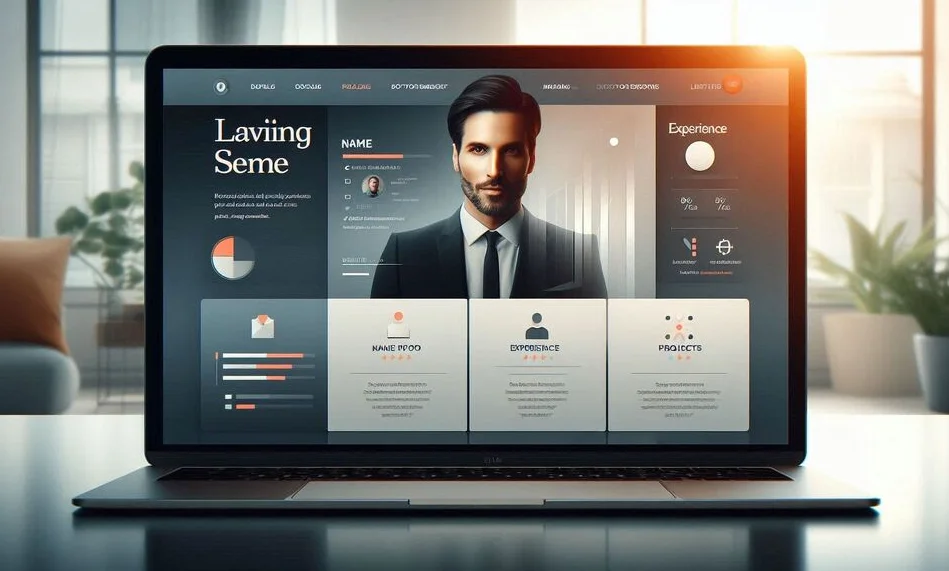
In today's digital-first world, having a resume that merely lists your qualifications and experience may not be enough to stand out from the crowd. To truly make an impact, you need a resume that not only highlights your skills and accomplishments but also represents your personal brand. One of the most effective ways to achieve this is by designing a resume that doubles as a personal brand website. In this guide, we will explore how you can create a resume that not only functions as an online portfolio but also serves as a dynamic, interactive personal brand hub.
Introduction
The traditional resume is often a one-page document that serves as a quick snapshot of your career achievements. However, the digital age has opened up new possibilities for job seekers to go beyond the static resume. By building a resume that functions as a personal brand website, you can demonstrate your skills, showcase your personality, and provide potential employers with a richer, more interactive experience. This combination of a resume and personal website is an excellent way to stand out in a competitive job market.
Why Combine a Resume with a Personal Brand Website?
A personal brand website is more than just a digital portfolio; it's an opportunity to market yourself in a creative and professional way. Combining your resume with this online platform allows you to:
- Showcase Your Skills: You can display your work in various formats (images, videos, presentations), allowing you to highlight your capabilities more effectively than a traditional paper resume.
- Enhance Your Online Presence: Having a personal brand website ensures that your professional persona is accessible to anyone with an internet connection, increasing your visibility.
- Demonstrate Your Technical Skills: A personal website showcases your ability to create and maintain an online presence, a skill that can be particularly valuable in creative and tech industries.
Design Principles for a Personal Brand Resume Website
The design of your resume website plays a critical role in making a strong first impression. Here are some key design principles to keep in mind:
Keep the Design Clean and User-Friendly
Your website should be easy to navigate, with a clean and simple design that highlights your content without overwhelming the visitor. Use plenty of white space to make the content readable and ensure that your fonts and colors are professional. Avoid clutter, and focus on presenting your qualifications and portfolio in a streamlined way.
Ensure Your Website is Responsive
In today’s mobile-driven world, it’s essential that your personal brand website is responsive. This means that it should look good and function properly across all devices, from desktops to smartphones and tablets. Test your site on multiple devices to ensure a seamless user experience, as many recruiters and hiring managers will access your site on mobile devices.
Effective Navigation and Structure
A key component of a successful personal brand website is navigation. Make it as easy as possible for visitors to find the information they need. Include a clear menu with links to your resume, portfolio, professional achievements, contact information, and any additional sections such as a blog or personal interests. A logical structure will ensure that users can easily navigate through the site and find what they’re looking for.
Content Strategy for Your Personal Brand Website
The content you include on your personal brand website should be carefully curated to reflect your skills, personality, and professional aspirations. Here are a few essential elements to consider:
Create a Compelling Professional Summary
Start with a strong professional summary that gives visitors an overview of who you are and what you do. This section should highlight your core skills, expertise, and what makes you unique. Keep it concise but impactful, providing just enough detail to entice visitors to explore the rest of your site.
Showcase Your Portfolio and Achievements
A personal brand website is the perfect place to showcase your portfolio, whether it’s in the form of design work, writing samples, case studies, or projects you’ve led. Include high-quality images or videos of your work and provide context for each piece, explaining your role and the impact it had. This is where you can really demonstrate your abilities in a more dynamic and visually engaging way than a traditional resume.
Incorporate a Blog or Thought Leadership Section
Adding a blog or thought leadership section to your personal brand website can further differentiate you from other candidates. Share your insights on industry trends, personal development, or experiences from your career. A blog not only showcases your expertise but also demonstrates your commitment to continuous learning and thought leadership in your field.
Tools for Building Your Personal Brand Resume Website
There are several platforms and tools available to help you build a personal brand resume website with ease:
- Wix: A user-friendly website builder with customizable templates and a drag-and-drop interface.
- WordPress: A powerful and flexible platform that allows for more customization and functionality.
- Squarespace: Known for its beautiful, high-quality templates ideal for portfolio-based websites.
- Webflow: A design-focused platform that’s great for creating fully custom, responsive websites.
How to Promote Your Personal Brand Resume Website
Once your personal brand resume website is live, it’s important to promote it to maximize its impact. Here are a few tips:
- Share the URL on your LinkedIn profile, email signature, and business cards.
- Use SEO strategies to improve visibility on search engines and attract potential employers.
- Include the link in your job applications and networking communications.
Conclusion
Designing a resume that doubles as a personal brand website is an excellent way to stand out in today’s competitive job market. It allows you to showcase your skills, personality, and work in a dynamic, engaging way while reinforcing your personal brand. With the right design principles, content strategy, and tools, you can create a personal brand resume website that not only makes a great first impression but also helps you secure the job of your dreams.