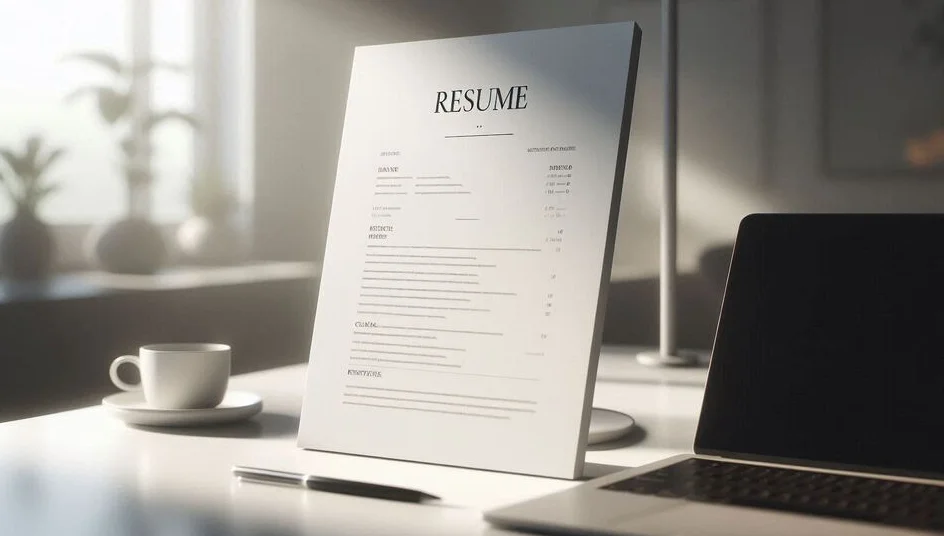
In an era where resumes are often evaluated quickly and in large volumes, job seekers are constantly looking for ways to stand out in the hiring process. One approach gaining popularity is the minimalist resume—an approach that focuses on simplicity and brevity. But are minimalist resumes subconsciously perceived as more honest by recruiters? In this blog post, we will explore how minimalist design choices might influence hiring decisions and whether they are associated with honesty, authenticity, and trustworthiness.
The Psychology of Minimalism
Minimalism is not just a design trend; it's a psychological principle rooted in the idea that less is more. In the context of resumes, a minimalist design can convey a sense of clarity and transparency. The psychology behind minimalist design suggests that when something is simple and free of distractions, it is perceived as more honest and straightforward. Let's explore this concept further:
Simplicity and Trust
Research has shown that simplicity can build trust. When individuals or companies present information clearly and without unnecessary embellishment, they are often perceived as more credible and honest. In the case of a resume, simplicity removes any potential for confusion or misinterpretation. Recruiters may subconsciously associate a clean, minimalist resume with transparency, where the focus is solely on the candidate's genuine qualifications and achievements.
Minimalism in Design
Minimalist design relies on white space, clear typography, and a clean layout that emphasizes content over aesthetics. This approach avoids the clutter of overly ornate design elements, like excessive fonts, graphics, or colors. By using simple, straightforward formatting, minimalist resumes allow hiring managers to focus directly on the candidate's qualifications. The lack of distractions can create a sense of authenticity, as the resume feels less like a sales pitch and more like a factual account of the candidate's skills and experience.
Perceptions of Honesty in Resumes
The presentation of a resume can influence how hiring managers perceive the candidate's honesty and integrity. In fact, research suggests that people tend to perceive simplicity and clarity as markers of authenticity. Let's examine how minimalist resumes might foster perceptions of honesty:
Visual Clarity and Honesty
Visual clarity plays a crucial role in how honest a resume is perceived to be. A minimalist design is inherently clear and easy to read, making it simple for hiring managers to extract key information quickly. When a resume is straightforward and free of unnecessary visual clutter, it creates an impression of openness. A resume with too much decoration, on the other hand, can appear as though the candidate is trying to cover something up or distract from their qualifications. Minimalist resumes avoid these pitfalls, allowing candidates to present their experience without relying on flashy designs or embellishments.
Avoiding Over-Exaggeration
Another reason minimalist resumes may be perceived as more honest is that they tend to avoid over-exaggeration. In contrast to resumes that rely heavily on bold statements or excessive self-promotion, minimalist resumes focus on concise and factual descriptions of experience and skills. Without an overuse of buzzwords or unnecessary jargon, a minimalist resume conveys confidence in the candidate’s abilities without overstating them. This approach can help build trust with hiring managers, as it presents the candidate in a more realistic and grounded manner.
The Case for Minimalism in Resumes
While minimalist resumes are often seen as more honest, they also have practical advantages. Here’s why minimalist resumes are gaining popularity among job seekers and hiring managers alike:
Clear Focus on Relevant Information
A minimalist resume forces candidates to focus on the most relevant and impactful aspects of their career. By eliminating unnecessary fluff and irrelevant details, the candidate is able to present a concise picture of their qualifications. This streamlined approach makes it easier for hiring managers to quickly identify the key skills and experiences that align with the job requirements. A resume that is too long or cluttered with extraneous information can distract recruiters from the candidate’s most important qualifications.
Reducing Unnecessary Details
Minimalism in resumes helps reduce unnecessary details that might dilute the impact of the candidate’s experience. Many job seekers make the mistake of including every job they’ve ever had, every skill they’ve learned, or every certification they’ve earned. However, not all of this information is relevant to the job they are applying for. A minimalist resume forces the candidate to prioritize the most pertinent experiences and qualifications, making their resume more targeted and effective. This reduction of unnecessary details can be perceived as a sign of confidence, as the candidate is able to present only the most important information without trying to overwhelm the reader.
Conclusion
In conclusion, minimalist resumes are often subconsciously perceived as more honest due to their simplicity, clarity, and lack of embellishment. By focusing on the essential elements of a candidate’s experience and skills, minimalist resumes present a more authentic and straightforward view of the applicant. While a minimalist design may not work for every industry or role, it can be an effective strategy for job seekers who want to convey honesty and transparency. In a world where hiring managers are inundated with resumes, a clean, concise, and honest resume may be exactly what sets a candidate apart from the competition.
For those considering a minimalist resume, it’s important to strike a balance between simplicity and substance. A minimalist resume can communicate trustworthiness and authenticity, while still effectively showcasing the candidate’s strengths and qualifications. Ultimately, the key to creating a successful resume lies in presenting a clear and truthful representation of your skills and experience—without overcomplicating the message.