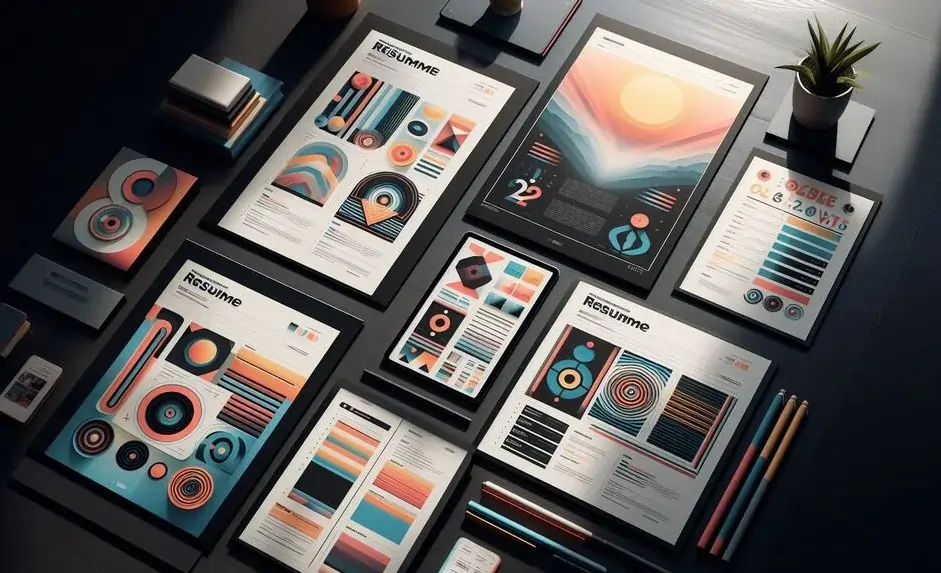
Applying to a creative agency demands more than just listing your skills and experience. These environments value innovation, visual storytelling, and personal branding yet still expect the polish and professionalism of a corporate resume. Striking the right balance between creativity and clarity can make the difference between being shortlisted or overlooked. In this article, we explore how to craft resumes that impress creative directors, hiring managers, and agency partners while maintaining a clear, professional edge.
Understanding Creative Agency Culture
What Agencies Look for in Candidates
Creative agencies thrive on fresh ideas, bold thinking, and results-driven design. Whether it’s an advertising firm, design studio, or branding consultancy, agencies seek individuals who combine conceptual skills with the ability to deliver under tight deadlines. Your resume should demonstrate not just what you’ve done, but how you think, communicate, and solve creative problems.
Agencies look for team players, strong visual communicators, and creatives who can translate brand strategy into innovative executions. They also want to see evidence of collaboration, client success, and digital fluency.
How Creative Agencies Review Resumes
Unlike traditional corporate settings, resumes at creative agencies are often reviewed by art directors, project leads, or creative managers. They scan for both aesthetic quality and storytelling. Visual presentation can give you a competitive edge but it’s the substance of your experience that will seal the interview.
This means you should focus on both how your resume looks and what it communicates. It's about creating a strong first impression while backing it with real accomplishments.
Essential Elements of a Creative Agency Resume
Visual Appeal and Brand Voice
A creative resume should reflect your personal design style and creative identity. This doesn’t mean using complex graphics or overly stylized elements, but rather establishing consistency, clean typography, and thoughtful hierarchy.
- Use white space strategically to guide the reader’s eye
- Choose a color palette that aligns with your personal brand
- Use design elements sparingly let the content breathe
Your brand voice should come through clearly in your summary or objective. Whether you're playful, minimal, or bold, make sure your tone reflects the kind of work you want to do.
Professionalism in Content and Tone
Even the most creative resume must remain readable and professional. Avoid slang or overused marketing lingo. Keep job descriptions concise, using action verbs and outcome-focused language.
Include:
- A compelling summary that blends creativity and professionalism
- Job history with measurable outcomes (e.g., Increased engagement by 45 percent)
- Relevant tools and software (Adobe CC, Figma, After Effects, etc.)
- Certifications, awards, or press mentions if applicable
Design vs Readability: Finding the Balance
Creative Layout Best Practices
Creative layouts are encouraged, but not at the expense of readability. Use grid-based design to maintain alignment, ensure fonts are legible, and keep file sizes manageable. For PDF submissions, test your resume on multiple devices to ensure clarity.
You can experiment with:
- Two-column layouts to organize sections efficiently
- Icons to enhance visual appeal (but keep them minimal)
- Custom section headers that still convey clear meaning (e.g., “Creative Collaborations” instead of “Work Experience”)
Ensuring ATS Compatibility
If you're applying through a system that uses applicant tracking software (ATS), create a simplified version of your resume that removes design-heavy elements. While many creative agencies accept PDF or visual resumes, having an ATS-friendly copy ensures your resume won’t be rejected by automated systems.
Keep an alternate version in plain text or basic Word format with:
- Standard section headers
- Bullet points without graphics
- Readable fonts like Arial or Calibri
Tips to Stand Out in a Competitive Creative Field
Linking Your Portfolio Effectively
Every creative resume should include a link to a digital portfolio. Place it prominently at the top, near your contact info. Make sure the link is easy to type and test it on multiple browsers. Use a custom domain if possible to reinforce your personal brand.
Bonus tip: Add a QR code to the PDF version for easy mobile access during interviews or networking events.
Telling a Cohesive Creative Story
Your resume, portfolio, and online presence should tell one cohesive story. If your resume says you specialize in bold, experimental design, your portfolio should reflect that. Align the tone, design language, and content across platforms to establish authenticity.
Include storytelling elements in your work descriptions. Frame each project with a brief challenge-action-result format. Describe the goal, your creative approach, and the measurable outcome.
Conclusion
Crafting a resume for a creative agency requires a balance of style and substance. While you have more freedom to showcase visual flair, every design choice should serve the content. Keep professionalism front and center, quantify your achievements, and reflect your creative identity throughout. Whether you're a designer, copywriter, strategist, or art director, your resume should function as a preview of the value you bring to any creative team.