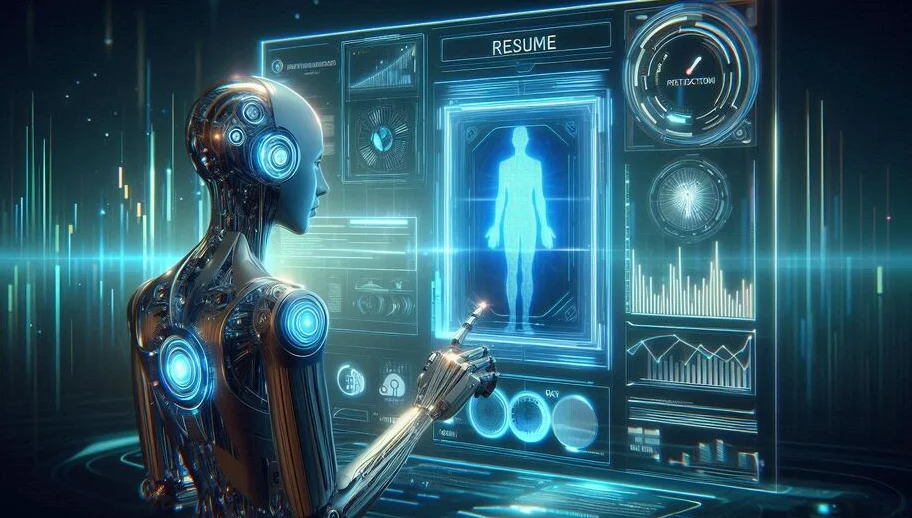
The world of recruitment is changing rapidly, with AI-powered tools at the forefront of these transformations. Among the most groundbreaking innovations is the concept of predictive resumes. Predictive resumes use artificial intelligence (AI) to forecast how well a candidate might perform in a role based on their past experiences, skills, and other data. This raises an important question: Can AI truly predict a candidate's future potential and career success? In this blog post, we’ll explore how predictive resumes work, their benefits, challenges, and the ethical considerations surrounding their use in hiring practices.
What Are Predictive Resumes?
Predictive resumes are enhanced resumes that utilize AI-driven technologies to predict a candidate’s future job performance and career trajectory. These resumes go beyond traditional details such as education, work experience, and skills. Instead, predictive resumes use machine learning and predictive analytics to assess how well a candidate will fit into a specific role based on past patterns, personal attributes, and work habits. This process allows employers to assess a candidate's potential rather than merely their qualifications.
How AI Works in Predictive Resumes
AI-driven predictive resumes use sophisticated algorithms and machine learning techniques to analyze vast amounts of data and predict future job success. Here’s a breakdown of how it works:
Data Collection
AI begins by collecting data from a candidate’s resume, social media profiles, professional networks, and other sources. This data includes work experience, education, skills, certifications, and even personal traits that may be relevant to job performance. The AI may also incorporate data from online assessments or psychometric tests, depending on the recruitment process.
Pattern Recognition
Once the data is collected, the AI uses pattern recognition techniques to identify correlations between a candidate’s background and the performance of similar individuals in similar roles. By analyzing thousands of resumes, AI can recognize trends, such as which skills and experiences are most predictive of success in a particular industry or job function.
Predictive Analytics
AI uses predictive analytics to forecast a candidate’s success in the role. By applying statistical models, the AI identifies patterns in data that correlate with high job performance. For example, the AI might analyze how candidates with certain types of work experience performed in similar roles and use this information to predict how well the candidate will do in the specific job they are applying for.
Forecasting Success
The AI generates a predictive score or report, which offers insights into a candidate’s potential success in a given role. This predictive score is based on a combination of factors, such as the candidate’s skills, experience, past achievements, and personality traits. It helps recruiters assess not just what a candidate has done, but how likely they are to thrive in the job.
The Benefits of Predictive Resumes
Predictive resumes offer several advantages for both employers and job seekers, changing the way recruitment is conducted:
Improved Hiring Decisions
AI-powered predictive resumes allow recruiters to make more informed decisions. By forecasting future performance, predictive resumes help employers avoid the pitfalls of traditional hiring methods, which often focus too much on past experiences or subjective impressions. With AI’s objective insights, employers can hire candidates with the highest potential for success in the role.
Streamlined Recruitment Process
Recruiters can save time by quickly processing large volumes of resumes using AI. Predictive resumes help to quickly narrow down the pool of candidates, flagging those who are most likely to succeed in the job. This leads to faster decision-making, reducing the time it takes to fill a position.
Enhanced Diversity in Hiring
AI tools can also help promote diversity by removing human biases from the hiring process. Predictive resumes focus on a candidate's potential and skills rather than demographic factors, which helps to create a more diverse and equitable recruitment process. AI-driven assessments can ensure that all candidates are evaluated fairly and based on merit.
The Challenges of Predictive Resumes
Despite the advantages, predictive resumes come with several challenges:
Data Quality Issues
The effectiveness of predictive resumes depends on the quality of the data used. Inaccurate, incomplete, or biased data can lead to poor predictions, potentially disadvantaging certain candidates or leading to incorrect hiring decisions.
Bias and Ethical Concerns
AI systems can inherit the biases present in the data they are trained on. For example, if historical hiring data reflects biases towards certain demographic groups, the AI could reinforce these biases, resulting in discriminatory hiring practices. Ensuring the fairness and ethical integrity of AI models is an ongoing challenge in predictive hiring.
Lack of Human Judgment
AI cannot replicate the human touch in recruitment. Some qualities, such as creativity, empathy, and cultural fit, are difficult for AI to assess accurately. Predictive resumes should complement, not replace, human judgment in the hiring process.
Real-World Examples of Predictive Resumes
Several companies have already implemented AI-driven predictive resume tools. For example:
- Pymetrics: Utilizes neuroscience-based games and AI to assess cognitive and emotional abilities, predicting how well a candidate will fit into a company’s culture and the potential success they might have in a role.
- HireMojo: Uses AI to analyze resumes and predict how well candidates will perform in a particular job, based on a variety of data points, including their previous job experiences, skills, and personality traits.
Ethical Considerations in Using AI for Predictive Resumes
As AI becomes more integrated into the hiring process, it raises important ethical considerations that need to be addressed:
Transparency and Consent
Candidates should be informed about how their data is being used and how AI is being utilized in the recruitment process. Transparency helps ensure that candidates have a clear understanding of how their resumes, social media profiles, and other personal data are being analyzed. Additionally, candidates should give informed consent before their data is collected and analyzed by AI systems.
Avoiding Bias
One of the major concerns with AI in recruitment is the potential for biased algorithms. If an AI system is trained on biased data, it can perpetuate those biases, leading to unfair treatment of certain groups of candidates. It is crucial for organizations to regularly audit their AI systems to ensure they are not biased and that the hiring process remains fair and equitable.
Accountability
Organizations that use AI for hiring decisions must be held accountable for the outcomes. If a candidate is unfairly overlooked or rejected due to an AI-generated prediction, the company should be responsible for reviewing and rectifying the decision. Furthermore, organizations must ensure that AI decisions are supplemented with human oversight to prevent over-reliance on technology.
The Future of Predictive Resumes
The future of predictive resumes looks promising, as AI technology continues to evolve and improve. Here’s what we can expect:
Increased Adoption of AI in Hiring
As AI becomes more sophisticated, predictive resumes will likely become a standard tool in recruitment. More companies will begin to adopt AI-driven platforms to streamline the hiring process, improve decision-making, and reduce biases in recruitment.
Integration with Other Recruitment Tools
AI-powered predictive resumes will likely integrate with other recruitment technologies, such as Applicant Tracking Systems (ATS), job boards, and candidate sourcing tools. This seamless integration will allow for more efficient candidate screening, enhanced candidate matching, and a more holistic view of a candidate’s potential.
Advanced Analytics and Predictive Models
As predictive models become more advanced, they will analyze even more complex data points, such as job market trends and future industry needs. This will enable AI to make even more accurate predictions about candidates’ long-term success and career growth.
Conclusion
Predictive resumes are a groundbreaking development in recruitment technology. By using AI to analyze resumes and predict a candidate’s potential success, companies can make more informed and efficient hiring decisions. However, while the benefits are clear, there are still challenges, particularly around data quality, bias, and the ethical implications of AI in hiring. As AI continues to evolve, it will be crucial for organizations to address these challenges and ensure the technology is used ethically and transparently. With the right balance, predictive resumes have the potential to transform the recruitment industry, making hiring more efficient, fair, and data-driven.