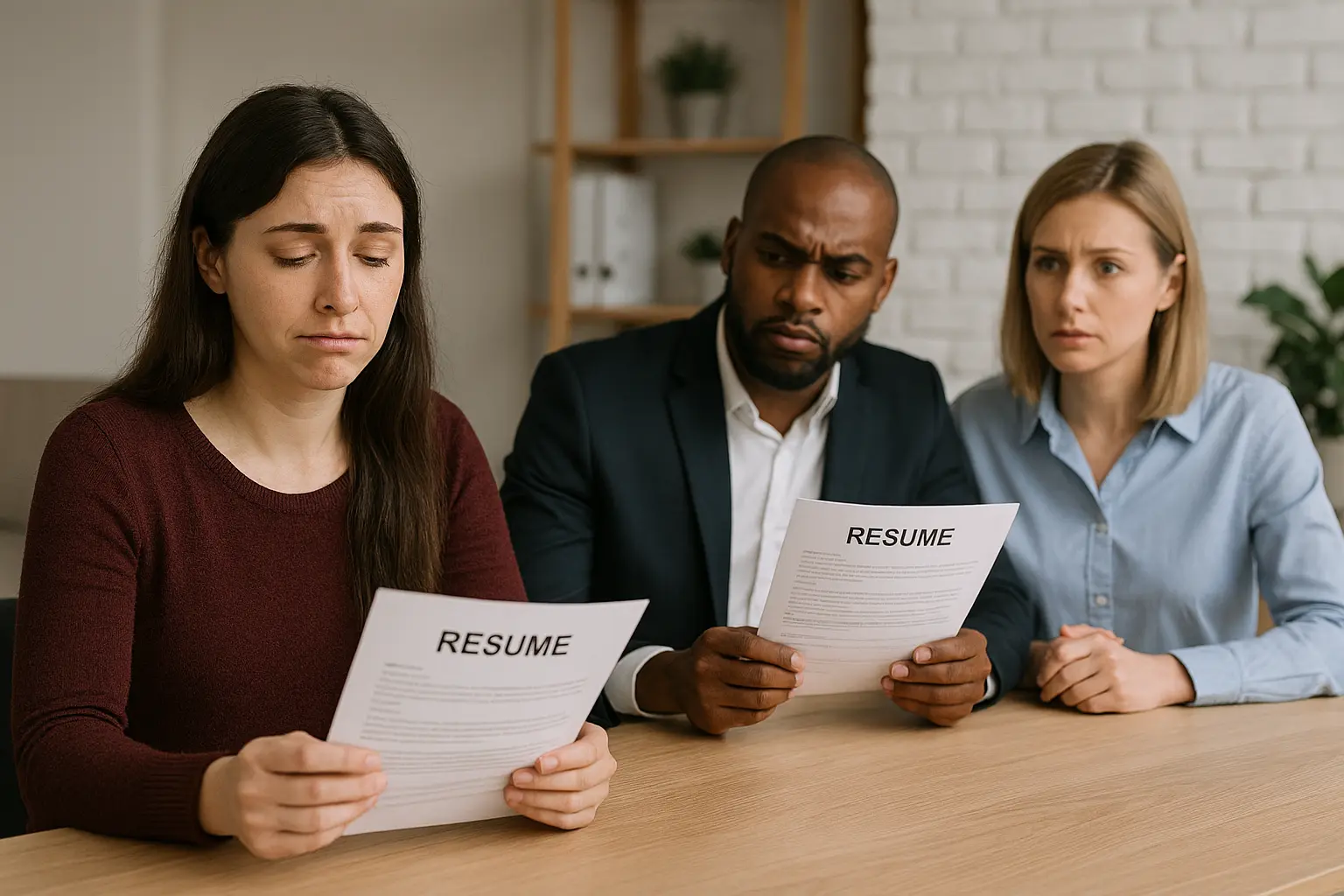
For decades, job seekers have been told to follow strict resume rules. Keep it to one page. Use a specific format. Avoid gaps. Do not include certain experiences. Follow conventional structure at all costs. While these guidelines were designed to create clarity and professionalism, the modern hiring landscape has evolved. Today, companies emphasize skills, adaptability, and measurable impact over rigid formatting traditions. This raises an important question: are resume rules holding back high-potential candidates? In a skills-driven economy shaped by automation, remote work, and rapid career shifts, it is worth examining whether outdated resume standards may unintentionally limit talented individuals from showcasing their full potential.
Understanding Traditional Resume Rules
Origins of Conventional Resume Guidelines
Traditional resume rules were established in a time when hiring was largely manual and paper-based. Recruiters reviewed printed resumes in structured corporate environments. Standardization made it easier to compare candidates efficiently.
These rules prioritized uniformity, conservative presentation, and predictable formatting. While they served their purpose in earlier hiring systems, the digital transformation of recruitment has shifted expectations.
Most Common Resume Rules Candidates Follow
Some of the most frequently followed resume rules include:
- Keep the resume to one page
- Avoid career gaps
- Do not exceed ten to fifteen years of experience
- Exclude personal projects
- Avoid creative layouts
- Do not include side businesses
- Stick strictly to chronological format
Although these guidelines aim to simplify review processes, they may not reflect the complexity of modern careers.
Who Is Most Affected by Rigid Resume Rules?
Career Switchers
Professionals transitioning between industries often struggle under traditional resume standards. A strict chronological format may emphasize past roles that are unrelated to their new career path.
High-potential career switchers may possess transferable skills, leadership capabilities, and cross-functional expertise that are difficult to showcase within rigid templates.
Candidates with Non Traditional Backgrounds
Entrepreneurs, freelancers, self-taught professionals, and gig economy workers often do not fit neatly into conventional resume structures. Resume rules that discourage unconventional paths may cause these candidates to downplay valuable experiences.
In reality, project-based work, independent ventures, and portfolio-driven achievements can demonstrate innovation and resilience.
High Growth and High Potential Performers
Some individuals experience rapid promotions, diverse responsibilities, and overlapping roles. Strict formatting rules may limit their ability to demonstrate scope and progression.
When resumes prioritize simplicity over strategic storytelling, high-potential candidates may appear less dynamic than they truly are.
Traditional Resume Rules vs Modern Hiring Trends
Modern hiring increasingly focuses on skills, outcomes, and adaptability. Employers seek candidates who can learn quickly, manage change, and deliver measurable results.
Rigid resume rules often emphasize structure over substance. For example, limiting experience to one page may reduce space for quantifiable achievements. Avoiding creative formatting may restrict personal branding opportunities in design, marketing, or technology roles.
Skills-based hiring, remote collaboration, and digital portfolios have shifted evaluation criteria. Recruiters now review LinkedIn profiles, online portfolios, GitHub repositories, and personal websites alongside resumes.
The resume remains important, but it is no longer the only indicator of professional value.
Impact of Applicant Tracking Systems and Automation
Applicant Tracking Systems were introduced to streamline hiring at scale. These systems scan for keywords, job titles, certifications, and measurable outcomes.
While resume rules originally aimed to help candidates pass human review, modern systems prioritize keyword alignment and clarity over page length or rigid structure.
Ironically, some traditional advice can hurt candidates in automated systems. For example, removing technical terminology to simplify language may reduce keyword density. Over compressing experience may limit relevant skill mentions.
High-potential candidates who focus solely on outdated formatting rules may neglect strategic keyword placement and measurable impact.
Where Resume Rules Still Serve a Purpose
Despite evolving hiring trends, certain resume principles remain valuable:
- Maintain clean and readable formatting
- Use consistent structure
- Avoid excessive graphics in ATS submissions
- Present information clearly and professionally
- Focus on measurable achievements
Professionalism and clarity are timeless. The issue is not with structure itself but with inflexible adherence to outdated limits.
Rules should guide presentation, not restrict storytelling.
Building a Smarter Resume Strategy
Instead of blindly following resume rules, high-potential candidates should adopt a strategic approach:
- Tailor content to job requirements
- Highlight transferable skills when changing industries
- Use metrics to demonstrate results
- Include relevant side projects or entrepreneurial work
- Choose format based on career narrative
- Balance readability with depth
- Integrate industry-specific keywords
A smarter resume strategy adapts to context. For example, a conservative financial institution may prefer traditional formatting, while a creative startup may welcome innovative presentation.
Understanding company culture allows candidates to adjust without sacrificing authenticity.
Conclusion
Are resume rules holding back high-potential candidates? In some cases, yes. Rigid adherence to outdated standards can limit the ability to showcase transferable skills, entrepreneurial ventures, rapid growth, and diverse career paths.
However, abandoning structure entirely is not the solution. The key lies in flexibility. Resume rules should serve as guidelines rather than restrictions. Modern hiring emphasizes skills, measurable impact, and adaptability more than strict formatting constraints.
High-potential candidates thrive when they present strategic, tailored, and results-driven resumes that reflect the realities of today’s dynamic career landscape. By balancing professionalism with adaptability, candidates can avoid being constrained by outdated resume myths while still meeting recruiter expectations.