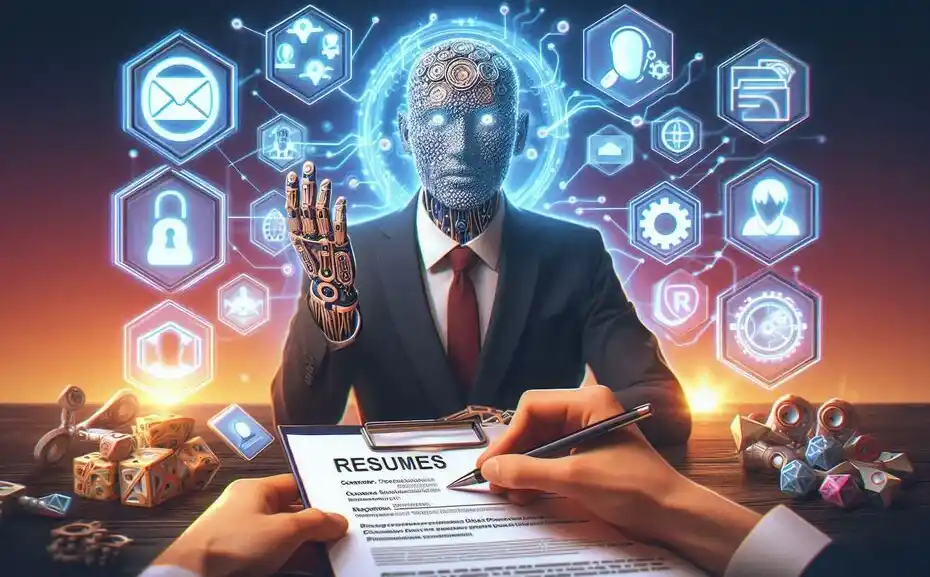
Resumes are no longer limited to static documents that summarize professional history. In 2025 and beyond, the future of resumes is shaped by emerging technologies such as AI-driven profiles, blockchain-verified badges, and interactive digital portfolios. These innovations transform how candidates present their skills and how recruiters evaluate them. This shift marks the transition from paper-based job applications to dynamic, verifiable, and technology-enhanced professional identities.
The Changing Nature of Resumes
The resume has evolved significantly from simple chronological listings to keyword-rich, ATS-friendly documents. Now, with advancements in artificial intelligence, blockchain, and web-based tools, resumes are moving into a new era. Recruiters and employers demand authenticity, data-driven insights, and proof of skills. Job seekers, in turn, need platforms that reflect not just what they have done but also what they are capable of achieving in the future.
AI Profiles: The Next Evolution of Professional Identity
Automated Insights and Skill Mapping
AI profiles go beyond static resumes by analyzing work history, skills, and online presence to build a comprehensive professional identity. These systems use algorithms to highlight transferable skills, detect career patterns, and provide predictive insights into a candidate's future performance. Recruiters can instantly understand a candidate's strengths without reading lengthy documents.
AI-Driven Job Matching
In the future, job seekers may rely less on sending out resumes and more on AI platforms that automatically match them to relevant opportunities. These AI-driven systems compare skills with job descriptions, highlight gaps, and suggest personalized career development paths. This reduces the guesswork for both candidates and employers, leading to faster and more accurate hiring.
Transparency and Ethical Considerations
While AI-powered profiles provide efficiency, concerns about bias, transparency, and data privacy remain. Candidates want assurance that their information is handled ethically and that AI recommendations are fair. As AI continues to evolve, transparency in algorithmic decision-making will be a key factor influencing trust between job seekers and employers.
Blockchain Badges: Verified Credentials for the Future
Instant Credential Verification
Blockchain technology brings verifiable authenticity to resumes. Through blockchain badges, candidates can display degrees, certifications, and professional achievements in a tamper-proof format. Recruiters can instantly confirm the validity of a credential, eliminating delays caused by background checks or fraudulent claims.
Building Trust in Hiring
Fraudulent resumes have long been a challenge for employers. Blockchain badges ensure that only legitimate accomplishments are showcased. This strengthens trust in the hiring process and allows recruiters to focus on evaluating candidates rather than validating their claims.
Global Portability of Credentials
As careers increasingly span international borders, blockchain badges provide a globally recognized proof of skills. A candidate with blockchain-certified credentials can apply to roles worldwide without worrying about compatibility or verification delays. This is particularly valuable in industries where rapid hiring is critical, such as healthcare and tech.
Digital Portfolios: Showcasing Work Beyond Text
Projects and Case Studies
Digital portfolios allow candidates to showcase their work in a way that resumes cannot. From software developers highlighting GitHub repositories to designers sharing interactive mockups, portfolios demonstrate real capabilities. Recruiters can see the context, challenges, and impact of projects, making evaluations more holistic.
Creativity and Interactive Elements
Unlike traditional resumes, digital portfolios can integrate multimedia elements such as videos, animations, and interactive timelines. These creative features allow candidates to stand out and give recruiters a deeper understanding of their personality and skills.
Assessment Through Real Work
Recruiters in 2025 increasingly prefer to evaluate candidates through tangible work samples. Digital portfolios serve as living documents that grow with a candidate's career. By providing proof of real-world achievements, portfolios reduce reliance on self-reported claims and offer direct evidence of value.
Integration of AI, Blockchain, and Digital Portfolios
The true future of resumes lies in the integration of these technologies. AI profiles can recommend jobs based on verified blockchain credentials, while digital portfolios provide proof of execution. Together, they create a comprehensive professional identity that is authentic, data-driven, and engaging. Employers gain more accurate insights, and candidates present themselves with credibility and creativity.
Future Trends in Resume Technology Beyond 2025
Beyond 2025, resumes will likely evolve into dynamic, continuously updated profiles. AI may track career progress in real time, blockchain could standardize global credential verification, and portfolios may become fully immersive with VR or AR elements. Employers may also adopt gamified assessments that link directly to candidate profiles, merging evaluation with presentation. These innovations will reshape how talent is discovered, assessed, and hired.
Conclusion
The future of resumes is moving away from static formats toward interactive, verified, and technology-powered professional identities. AI profiles provide predictive insights, blockchain badges guarantee authenticity, and digital portfolios bring achievements to life. Together, they form a new standard for how candidates and employers connect in the digital age. For job seekers, embracing these tools is no longer optional but a requirement to stay competitive in the evolving job market.