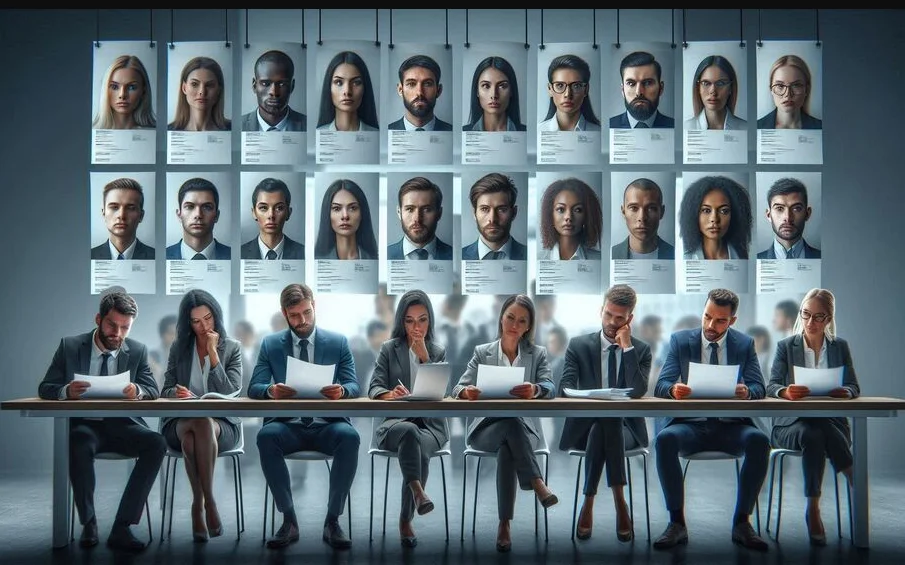
The Importance of Visuals in Resume Design
In the digital age, resumes are no longer just a collection of text. Recruiters often review dozens or even hundreds of resumes for each open position, and a visually appealing resume can help yours stand out. Visual elements, including layout, design, and photos, are crucial in catching the recruiter’s attention. However, the inclusion of a photo is a controversial topic. While a photo can add a personal touch, it also opens the door for bias, both positive and negative. Understanding how your photo might influence the hiring process is essential before making this decision.
The Psychology Behind Resume Photos
Humans are naturally wired to make quick judgments based on visual cues. This instinctive process, while useful in many situations, can lead to subconscious biases when it comes to resume photos. A resume photo is one of the first things a recruiter notices, and this initial impression can shape their perception of you-whether you are a good fit for the role or not. The psychological impact of a photo goes beyond how you look; it also includes how the photo makes the recruiter feel about you as a potential colleague.
How Recruiters Subconsciously Judge Resume Photos
When reviewing resumes, recruiters tend to judge a resume photo without even realizing it. There are several factors at play, and understanding these subconscious judgments can help you decide whether or not to include a photo in your resume.
First Impressions Matter
The first impression a recruiter gets from your resume photo can influence their perception of your professionalism and personality. A well-composed, professional photo that exudes confidence may be viewed positively, while a casual or poorly taken photo may give the opposite impression. Recruiters are trained to assess candidates quickly, so your resume photo could be the difference between them taking a closer look at your resume or moving on to the next one.
Non-Verbal Communication and Body Language
Even before they read your resume, recruiters are interpreting your body language and facial expression. A smile, good posture, and a confident demeanor can convey warmth, approachability, and confidence. These non-verbal cues can create an unconscious connection with the recruiter, making you appear more likable or suitable for the role. Conversely, a photo that seems overly serious or unapproachable may make a recruiter hesitant to engage with your application.
Biases and Stereotypes in Resume Photos
Unfortunately, one of the biggest issues with including a photo on your resume is the potential for bias and stereotyping. Research has shown that hiring decisions can be influenced by factors like gender, age, race, and even attractiveness. For example, a study conducted by the University of Toronto found that recruiters may unconsciously favor candidates with certain physical traits or features that align with their implicit biases. These biases are not only unfair but can also negatively affect your chances of landing an interview, depending on how the recruiter perceives your photo.
Should You Include a Resume Photo?
Whether or not you should include a resume photo largely depends on the industry, the company, and the cultural norms of the region you are applying to. While some industries or countries may expect a photo, others may consider it unprofessional or inappropriate. Let’s explore the pros and cons of including a resume photo to help you make an informed decision.
Pros of Including a Resume Photo
- Personal Connection: Including a photo can humanize your resume and create a sense of personal connection with the recruiter. It adds a face to the name, which can help the recruiter remember you.
- Industry-Specific Expectations: In industries such as entertainment, media, or customer-facing roles (like hospitality or retail), having a photo may be standard practice, especially if appearance is part of the job.
- Standing Out: A professional, high-quality photo may help your resume stand out from the crowd, particularly in competitive job markets where hundreds of resumes are submitted for a single position.
Cons of Including a Resume Photo
- Bias and Discrimination: As mentioned earlier, photos can expose you to unconscious biases based on gender, age, race, or even appearance. This can hurt your chances if the recruiter has any bias, even if it's unintentional.
- Perceived Unprofessionalism: In some countries and industries, including a photo on your resume can be seen as unprofessional or distracting. Recruiters may prefer to focus on your qualifications and skills rather than your appearance.
- Legal Risks: In some regions, such as the United States, including a photo on your resume can potentially open up legal issues. Many companies avoid accepting resumes with photos due to anti-discrimination laws and may view it as an unnecessary risk.
Conclusion
When it comes to resume photos, the decision to include one or not depends largely on the industry, job role, and regional expectations. While a photo can help humanize your application and make a memorable first impression, it can also expose you to unconscious biases and discrimination. If you choose to include a photo, make sure it is professional, high-quality, and aligns with industry standards. If in doubt, it’s better to err on the side of caution and leave your photo off-focusing instead on showcasing your skills and qualifications.