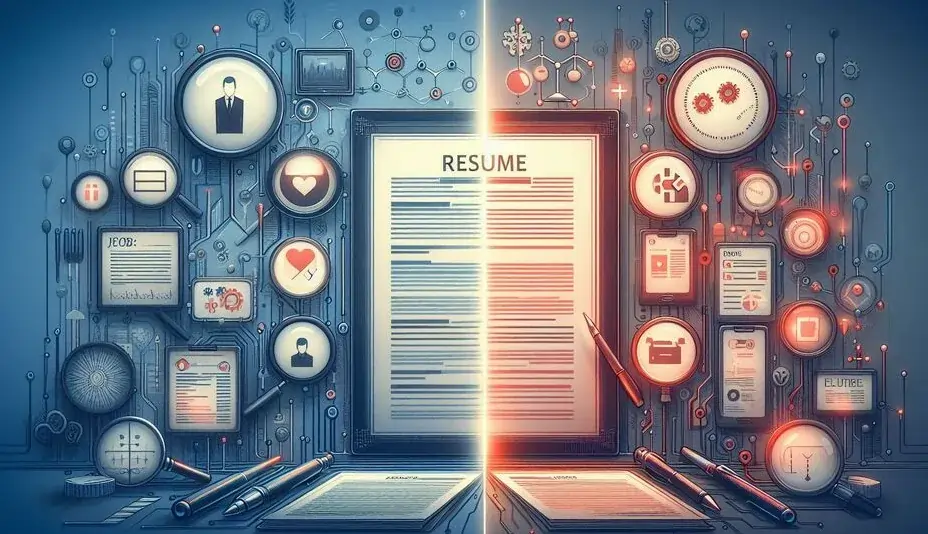
In the competitive job market, every detail of your resume and job application counts. A seemingly small mistake, such as a typo, can make a big difference. But are typos judged the same way across different roles and industries? In this post, we’ll explore how spelling mistakes are perceived in various job sectors and discuss whether the importance of accuracy shifts based on the position you’re applying for. By understanding these differences, you can better tailor your applications to meet industry-specific expectations and increase your chances of landing the job.
Introduction
Typos can be a common and easy-to-make mistake during the job application process. Whether it's a minor spelling error or a misplaced punctuation mark, such mistakes can be distracting and might even cause a hiring manager to question a candidate's attention to detail. However, the severity of these errors often depends on the role or industry you are targeting. Some industries place a premium on flawless communication, while others may be more lenient. In this post, we’ll take a closer look at how typos are judged differently depending on the role you’re applying for and the industry you are entering.
The Importance of Accuracy in Job Applications
In most professional settings, accuracy in written communication is crucial. A resume or cover letter with typos might signal to employers that a candidate lacks attention to detail, which could undermine their credibility. That said, the impact of a typo can vary significantly depending on the role and industry. Some positions demand high levels of precision in written work, while others might overlook minor errors in favor of creativity or other talents.
Are Typos Judged Differently Based on Role?
The expectations around typos are not uniform across all positions. Depending on the type of role, hiring managers might be more or less forgiving when it comes to spelling mistakes. Let’s explore how typos are viewed differently depending on the role you're applying for.
Creative and Non-Technical Roles
In creative roles, such as graphic design, marketing, writing, and advertising, the emphasis is often on originality, ideas, and innovation rather than strict adherence to spelling and grammar rules. While a glaring typo in these fields is still a red flag, hiring managers in creative industries may be more inclined to focus on the overall impact of the application, such as the creativity and uniqueness of the candidate’s approach, portfolio, and concepts. Creativity is valued more highly than minor technical errors in many of these roles.
That said, repeated typos or careless mistakes still show a lack of attention to detail, which can be problematic, especially in industries where a professional image is important. It’s advisable to proofread carefully, but a single minor mistake might not disqualify you in a creative field as easily as it might in a technical one.
Technical and Analytical Roles
In technical roles such as software engineering, data analysis, finance, or law, accuracy is paramount. A resume or job application for a technical position is often expected to be precise and error-free, as it reflects the candidate’s ability to work in high-stakes, detail-oriented environments. In these fields, even small typos can be seen as a lack of care or competence, especially since the nature of the work requires exactness and thoroughness. For example, in fields like finance or law, where contracts and financial statements need to be flawless, any sign of inaccuracy on a resume could raise red flags about a candidate's professionalism.
In technical roles, hiring managers will be especially sensitive to errors that may indicate a lack of precision, especially in the context of written reports, coding, or documentation. Therefore, it is critical to eliminate any spelling mistakes or errors in technical resumes, as they can be a deal-breaker in these fields.
Industry-Specific Expectations for Typos
The way typos are judged can also vary depending on the industry you are applying to. Let’s examine how different industries handle typos and whether there is more or less tolerance for them.
Corporate and Professional Industries
In corporate industries such as finance, consulting, and human resources, typos are often judged harshly. These industries place a strong emphasis on professionalism, precision, and attention to detail, as they often involve high-level communication with clients, stakeholders, and senior leadership. A resume or cover letter with typos may signal to hiring managers that a candidate lacks the professionalism expected in these industries.
For instance, in consulting or finance, where written communication such as reports, presentations, and memos is a critical part of the job, typos could suggest that the candidate may not be capable of delivering work at the high standard expected. In these fields, even small mistakes may significantly reduce your chances of securing an interview.
Creative Industries
As mentioned earlier, creative industries like advertising, design, and media tend to be more lenient when it comes to typos. These industries value innovation, style, and out-of-the-box thinking. While typos are still not ideal, hiring managers may be more focused on the portfolio, creative approach, and overall fit for the team. In these fields, it’s important to demonstrate your creative talent and vision, and one or two minor errors may be overlooked as long as the overall impression is strong.
How to Minimize Typos in Your Job Application
While different industries and roles may judge typos differently, it’s always best to minimize mistakes in your application materials. Here are some tips to help ensure your job application is error-free:
- Proofread multiple times: Take the time to read through your resume and cover letter multiple times. Check for spelling, grammar, and punctuation errors. It’s helpful to read your work aloud to catch mistakes you might miss when reading silently.
- Use proofreading tools: Tools like Grammarly, Hemingway Editor, or even simple spell checkers can help you catch typos before submitting your application.
- Ask someone else to review your work: A fresh set of eyes can often spot mistakes that you may have overlooked. Ask a friend, mentor, or colleague to review your resume and cover letter.
- Take your time: Avoid rushing your resume or cover letter. Haste often leads to careless mistakes. Set aside time to carefully craft your documents and make sure they’re perfect.
Conclusion
Typos are judged differently depending on the role and industry you are applying to. In more technical and corporate fields, errors can seriously harm your chances of landing the job, as they signal a lack of attention to detail and professionalism. However, in creative industries, a minor typo may be more forgivable, especially if your overall application stands out. Regardless of your field, it’s always a good idea to proofread your application materials and make sure your documents are free of errors. A well-polished resume or cover letter can make all the difference in making a positive impression on potential employers.