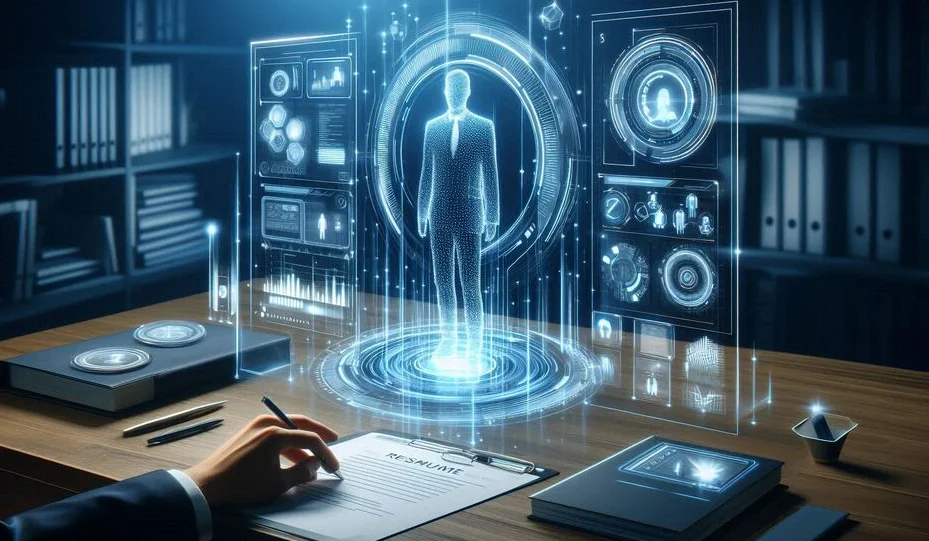
The landscape of job applications is rapidly evolving, with technology playing an increasingly significant role. One of the most exciting developments in this space is the rise of smart resumes. Unlike traditional PDF resumes, smart resumes embed data and utilize dynamic, interactive features to give recruiters a deeper insight into a candidate’s qualifications. As we move toward 2025, it is clear that embedded data will replace static PDFs, offering a more efficient and effective approach to hiring. In this blog post, we explore what smart resumes are, why they are replacing PDFs, and how they are transforming recruitment practices.
What Are Smart Resumes?
Smart resumes are digital resumes that go beyond the static nature of traditional PDFs. These resumes are embedded with data, interactivity, and functionality that enhance their value for both candidates and recruiters. Unlike traditional resumes that are simple documents, smart resumes are dynamic, interactive files designed to provide a more comprehensive view of a candidate's qualifications, skills, and experiences.
Why Traditional PDFs Are Being Replaced
Traditional PDF resumes have long been the standard in job applications, but their limitations are becoming more apparent as technology advances. One major drawback is their inability to integrate with modern applicant tracking systems (ATS) in an optimal way. ATS systems are designed to scan resumes for specific keywords and relevant information. However, a PDF can often be a challenge for these systems to read accurately, especially if it contains images, tables, or complex formatting. This results in critical information being missed or misinterpreted.
In addition, PDFs offer little in the way of interactivity or real-time updates. Once a resume is submitted in PDF format, it remains static - meaning that candidates cannot make updates or add new information without re-uploading a new version. This is where smart resumes come in. They are designed to be flexible, interactive, and optimized for both human readers and machine processing, making them a superior alternative to PDFs.
The Technology Behind Smart Resumes
Smart resumes are powered by various technologies, including embedded data, machine learning, and dynamic HTML. These technologies work together to create a more engaging and effective resume experience for both job seekers and recruiters. Let’s take a closer look at the key features that make up a smart resume.
Embedded Data in Resumes
Embedded data refers to the structured information that is integrated into a resume file. This could include hyperlinks, keywords, or even coded data that can be extracted by ATS systems. By embedding data directly into the resume, job seekers can ensure that important skills, experiences, and qualifications are easily accessible to both machine readers and human recruiters.
For example, a smart resume might contain clickable tags or links to specific projects, work samples, or LinkedIn profiles. This makes it easier for recruiters to quickly access more detailed information without having to sift through pages of static content. Additionally, embedded data allows for better keyword optimization, improving the chances of a resume passing through ATS filters.
Interactive and Dynamic Features
Interactive and dynamic features are another important aspect of smart resumes. These features allow candidates to provide real-time updates, track resume performance, and showcase multimedia content like videos or presentations. For example, candidates might include video introductions or interactive charts to visually display their skills and achievements.
Dynamic features also enable resumes to evolve over time. Instead of submitting a static file that requires manual updates, smart resumes can be updated continuously, ensuring that recruiters always see the most up-to-date version of a candidate's qualifications. This real-time update capability is particularly beneficial in fast-paced industries where job seekers are frequently updating their skills or certifications.
Benefits of Smart Resumes
Smart resumes offer a wide range of benefits for both job seekers and recruiters. Here are some of the key advantages:
- Improved ATS Compatibility: Because smart resumes are optimized for machine reading, they are more likely to pass through ATS filters, ensuring that key qualifications and experiences are highlighted.
- Better User Experience: With interactive elements and multimedia integration, smart resumes offer a more engaging experience for recruiters, making it easier to assess a candidate’s qualifications.
- Real-Time Updates: Candidates can make updates to their smart resumes at any time, ensuring that recruiters always have access to the most current information.
- Customization and Flexibility: Smart resumes are highly customizable, allowing candidates to tailor their resumes to specific job opportunities with ease.
How Smart Resumes Are Transforming Recruitment
Smart resumes are reshaping the recruitment process by providing more relevant, structured, and dynamic information. For recruiters, this means they can quickly access the most important details about a candidate and assess their suitability for a role in less time. With embedded data and interactive features, recruiters can gain a clearer understanding of a candidate’s skills and qualifications, which may not always be apparent in traditional resumes.
For job seekers, smart resumes offer a competitive advantage by providing an innovative and personalized approach to resume presentation. Candidates who use smart resumes can better showcase their unique qualifications and differentiate themselves from other applicants in a crowded job market.
The Future of Resume Formats
As we move toward 2025, the future of resumes is undoubtedly digital and data-driven. PDF resumes are becoming increasingly outdated, and smart resumes are positioned to replace them. With the continuous advancement of AI, machine learning, and data visualization technologies, resumes will become more interactive, customizable, and optimized for both human and machine reading. The next generation of resumes will be more than just a document - it will be a dynamic, evolving representation of a candidate’s professional journey.
Conclusion
The rise of smart resumes signals a major shift in how job seekers present themselves to potential employers. By integrating embedded data, interactivity, and real-time updates, smart resumes offer a more engaging, efficient, and effective alternative to traditional PDFs. As recruitment practices evolve, adopting smart resume technology will be key for both candidates looking to stand out and recruiters seeking more accurate, data-driven insights. As we move into the future, smart resumes will become the new standard for job applications.