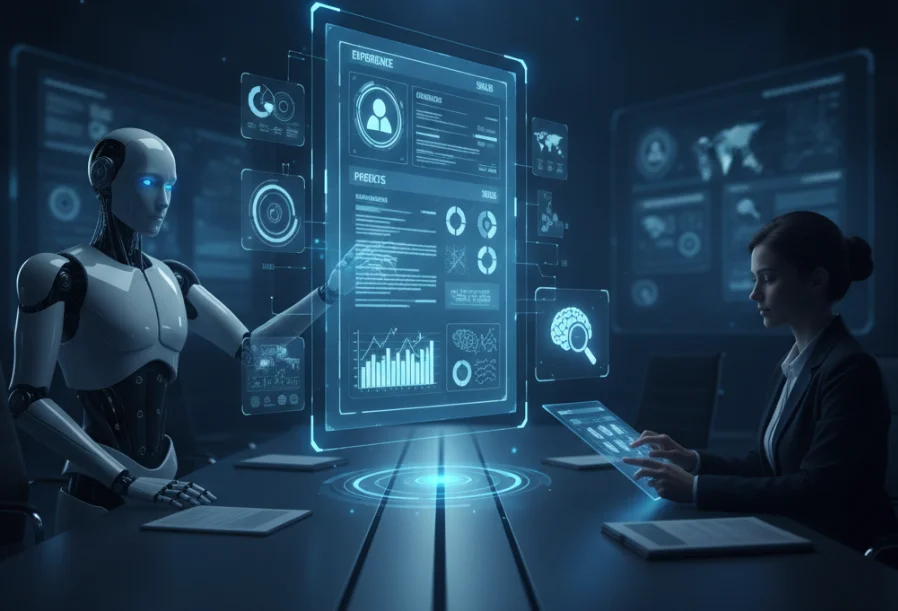
The hiring landscape is rapidly transforming as artificial intelligence becomes deeply integrated into recruitment and talent acquisition processes. Employers are increasingly using AI-powered systems to filter applications, rank candidates, analyze qualifications, and streamline hiring decisions. As a result, resume design is evolving beyond simple formatting and professional summaries into a strategic communication tool optimized for both machines and human recruiters. The future of resume design in an AI-driven hiring market will focus on intelligent structure, data-driven personalization, digital compatibility, and skill-based storytelling. Job seekers who understand how AI recruitment systems work will have a significant advantage in competitive hiring environments. Modern resumes must not only appeal visually to recruiters but also communicate effectively with Applicant Tracking Systems and machine learning algorithms that evaluate candidate relevance. As technology continues to shape recruitment practices, resume writing is becoming more dynamic, personalized, and digitally connected. Professionals who adapt early to these changes will improve their visibility, increase interview opportunities, and strengthen their long-term career prospects.
The Evolution of Resume Design
Traditional vs Modern Resumes
Traditional resumes focused heavily on chronological work history, formal job titles, and standardized layouts. For decades, employers primarily evaluated candidates manually, making visual presentation and concise organization the most important factors.
Modern resume design, however, must accommodate both automated systems and human reviewers. Employers now receive thousands of applications for a single position, making AI-assisted filtering essential for efficiency. This shift has changed how resumes are written, formatted, and optimized.
Today’s resumes prioritize measurable achievements, technical competencies, transferable skills, and keyword relevance. Rather than serving as static career summaries, resumes are becoming adaptive marketing documents tailored for specific hiring technologies and job descriptions.
Impact of AI on Hiring
Artificial intelligence has transformed nearly every stage of recruitment. AI tools can now analyze resumes, identify patterns in candidate data, predict job performance, and automate initial screening processes.
Recruiters use AI-driven software to:
- Scan resumes for relevant keywords
- Rank applicants based on qualifications
- Match skills to job requirements
- Identify experience gaps
- Evaluate candidate compatibility
- Reduce manual hiring workload
This means resume design must evolve from generic formatting into strategic optimization that aligns with both AI systems and employer expectations.
How AI Systems Screen Resumes
Understanding Applicant Tracking Systems
Applicant Tracking Systems, often called ATS platforms, are software programs that organize, filter, and evaluate resumes before recruiters review them manually. These systems scan resumes for keywords, formatting consistency, educational background, certifications, and experience relevance.
A poorly formatted resume may fail to pass ATS screening even if the candidate is highly qualified. Complex graphics, unusual fonts, text boxes, and excessive visual elements can confuse automated systems and reduce readability.
Future-ready resumes should maintain clean formatting while ensuring compatibility with digital parsing technology.
Machine Learning and Candidate Ranking
Machine learning algorithms are increasingly being used to rank candidates based on historical hiring data and predictive analysis. These systems evaluate patterns associated with successful employees and compare applicants against those benchmarks.
As AI hiring tools become more advanced, resumes will need to emphasize contextual relevance rather than keyword stuffing alone. Recruiters and AI systems are now capable of understanding semantic relationships between skills, industries, and professional experiences.
For example, a resume mentioning content strategy, SEO optimization, and audience analytics may be identified as highly relevant for digital marketing roles even if exact phrases differ from the job posting.
Future Trends in Resume Design
Data-Driven Personalization
One of the biggest trends in resume design is hyper-personalization. AI-powered resume tools can analyze job descriptions and recommend tailored improvements based on employer requirements.
Future resumes will likely become dynamic documents customized for every application using intelligent optimization tools. Personalized resumes will align with company culture, hiring priorities, and role-specific competencies.
Candidates who adapt resumes strategically for each opportunity will have greater success in AI-assisted hiring environments.
Interactive and Digital Resumes
The future of resumes extends beyond static PDF documents. Interactive digital resumes may include clickable portfolios, integrated project showcases, certification links, and dynamic career timelines.
Many professionals already use online portfolio websites, personal branding pages, and digital professional profiles to complement traditional resumes. Interactive resumes provide recruiters with deeper insight into practical skills and work samples.
Industries such as technology, marketing, design, media, and consulting increasingly value digital-first presentations of experience and expertise.
Skills-First Resume Structures
As job roles evolve rapidly, employers are prioritizing skills over rigid career histories. Future resume formats will focus more heavily on competencies, certifications, project outcomes, and demonstrated expertise.
Skills-first resumes are especially valuable for:
- Career changers
- Freelancers
- Remote professionals
- Gig economy workers
- Recent graduates
- Professionals with diverse career paths
This approach reflects the growing importance of adaptability and continuous learning in modern workplaces.
Video and Multimedia Elements
Video introductions and multimedia presentations may become more common in future hiring practices. Some companies already encourage applicants to submit short video pitches alongside resumes.
These elements allow candidates to demonstrate communication skills, personality, confidence, and professionalism beyond written content alone.
However, traditional resumes will still remain important because AI systems require structured, searchable information for screening and evaluation.
Optimizing Resumes for AI Recruitment Tools
Keyword Optimization
Keywords remain essential in AI-driven hiring systems. Resumes should naturally incorporate industry terminology, technical skills, certifications, and job-specific competencies directly related to target positions.
Effective keyword optimization involves:
- Analyzing job descriptions carefully
- Using role-specific language
- Including relevant software tools and certifications
- Matching industry terminology
- Avoiding excessive repetition
The goal is to create content that appears authentic, relevant, and contextually accurate for both AI systems and human readers.
Semantic Search and Context
Future AI systems will increasingly rely on semantic understanding rather than simple keyword detection. This means resumes must communicate depth, context, and meaningful accomplishments.
Instead of listing isolated skills, candidates should demonstrate how those skills generated measurable results.
For example:
Managed cross-functional digital campaigns that increased website traffic by 45 percent and improved customer engagement metrics across multiple social platforms.
This style provides stronger contextual signals to intelligent recruitment algorithms.
Design Balance Between AI and Human Recruiters
One of the biggest challenges in modern resume design is balancing ATS compatibility with appealing visual presentation. Overly creative designs may confuse AI systems, while overly simplistic resumes may fail to engage recruiters.
The ideal future-ready resume should:
- Use clean formatting
- Include clear section headings
- Maintain consistent typography
- Prioritize readability
- Emphasize measurable achievements
- Support both digital scanning and human review
Importance of Personal Branding
Online Portfolios and Professional Profiles
Resume design is increasingly connected to personal branding. Employers often review online profiles, digital portfolios, social media presence, and professional websites before making hiring decisions.
Candidates should ensure consistency between resumes and online professional profiles. Skills, accomplishments, certifications, and employment timelines should align across all platforms.
A strong digital presence can reinforce credibility and improve professional visibility in competitive industries.
Building a Consistent Digital Identity
Future hiring markets will reward professionals who actively manage their digital identity. Consistent messaging, professional content creation, thought leadership, and portfolio development can significantly strengthen career opportunities.
Personal branding allows candidates to stand out beyond traditional resumes by showcasing expertise, creativity, and professional value through multiple digital channels.
Common Mistakes in AI-Era Resumes
Many job seekers make critical mistakes when designing resumes for AI-driven recruitment systems:
- Using excessive graphics or complicated layouts
- Ignoring ATS formatting guidelines
- Submitting generic resumes for every application
- Stuffing resumes with repetitive keywords
- Failing to quantify achievements
- Neglecting digital portfolios or online presence
- Using outdated resume structures
Avoiding these mistakes improves resume visibility, recruiter engagement, and overall hiring success.
The Future of Job Applications
The future of job applications will likely become increasingly automated, data-driven, and skill-focused. AI may eventually analyze voice communication, portfolio quality, behavioral patterns, and real-time assessments alongside traditional resumes.
Despite technological advances, human judgment will continue to play an important role in hiring decisions. Resumes will remain valuable as professional storytelling tools that communicate experience, ambition, and career potential.
Candidates who combine technical optimization with authentic personal branding will be best positioned for success in evolving hiring markets.
Final Thoughts
The future of resume design in an AI-driven hiring market is centered around adaptability, intelligent optimization, and digital professionalism. As recruitment technologies become more sophisticated, resumes must evolve beyond static documents into strategic career marketing assets.
Professionals who understand AI screening systems, optimize for semantic relevance, emphasize measurable achievements, and maintain strong digital identities will gain a competitive advantage in modern hiring environments.
While technology will continue reshaping recruitment processes, the core purpose of a resume remains unchanged: clearly communicating professional value, skills, accomplishments, and potential. The most successful resumes of the future will balance technological compatibility with authentic human storytelling.