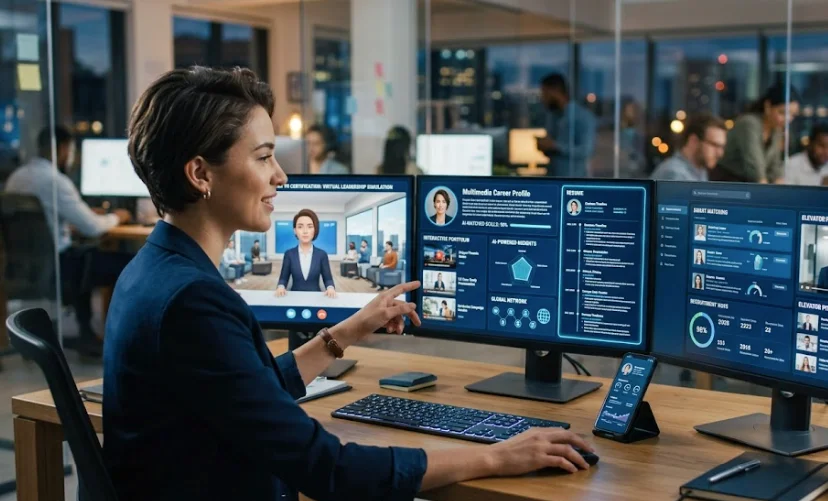
The hiring industry has experienced a dramatic transformation over the past decade. Traditional paper resumes and static PDF documents are no longer enough to capture the attention of modern employers. Companies are increasingly relying on digital platforms, artificial intelligence, and data-driven recruitment systems to identify ideal candidates. At the same time, professionals are looking for innovative ways to showcase their achievements, skills, creativity, and personality online. This shift has created a growing demand for resume websites and interactive career profiles that go beyond simple text documents. The future of resume sites is centered around personalization, interactivity, automation, and immersive storytelling. Interactive career profiles are quickly becoming essential tools for job seekers who want to stand out in competitive industries. These profiles combine multimedia content, verified achievements, AI-powered recommendations, and dynamic updates to create engaging digital identities. As technology continues to evolve, resume platforms will become smarter, more visual, and more personalized, reshaping how employers and candidates connect in the digital era.
The Evolution of Resume Sites
Traditional Resumes vs Digital Profiles
For many years, resumes followed a standardized format consisting of education, work experience, skills, and references. While these documents were effective in the past, they often lacked creativity and failed to provide a complete picture of a candidate’s personality or abilities. Employers had limited information available when making hiring decisions. Digital resume sites changed this approach by allowing professionals to create customized online profiles that could include videos, project galleries, certifications, testimonials, and interactive elements. Unlike traditional resumes, digital profiles are accessible worldwide and can be updated instantly. They also improve visibility through search engine optimization, making it easier for recruiters to discover talent online.
The Rise of Personal Branding
Personal branding has become one of the most important aspects of career development. Modern professionals are expected to maintain a strong online presence that reflects their expertise, values, and professional identity. Resume websites now function as personal branding platforms where individuals can showcase their career journey in a compelling way. Interactive career profiles help candidates present themselves as more than just applicants. They can demonstrate leadership skills, creativity, communication abilities, and industry knowledge through blogs, case studies, videos, and social proof. This creates stronger emotional connections with recruiters and hiring managers.
Interactive Career Profiles
Dynamic Portfolios and Multimedia Content
One of the biggest advantages of interactive career profiles is the ability to include multimedia content. Designers can display visual portfolios, developers can share live coding projects, marketers can showcase campaign analytics, and writers can publish articles directly on their profile pages. Multimedia content increases engagement and allows employers to evaluate real-world skills instead of relying solely on written descriptions. Videos, animations, interactive charts, and project demonstrations create a richer candidate experience and improve credibility.
Real-Time Career Updates
Static resumes quickly become outdated. Interactive profiles solve this issue by enabling real-time updates. Professionals can instantly add new certifications, projects, achievements, and experiences without creating a completely new document. This flexibility benefits both job seekers and employers. Recruiters gain access to the most current information, while candidates maintain profiles that continuously evolve alongside their careers. Real-time updates also support freelance professionals and remote workers who frequently change projects and roles.
The Role of Artificial Intelligence
AI-Powered Candidate Screening
Artificial intelligence is becoming a major component of recruitment technology. Many resume platforms now use AI algorithms to analyze candidate profiles, identify relevant skills, and match applicants with suitable positions. These systems can process large amounts of data quickly and improve hiring efficiency. Future resume platforms may include AI-generated profile optimization tools that recommend stronger wording, suggest missing skills, and enhance keyword usage for better visibility in applicant tracking systems. This technology can help candidates improve their chances of being discovered by recruiters.
Smart Job Recommendations
Interactive career platforms are also evolving into intelligent networking ecosystems. AI-driven recommendation systems can suggest relevant jobs, networking opportunities, training courses, and industry events based on a user’s experience and interests. This personalized approach creates a more efficient hiring process and helps professionals make informed career decisions. Instead of manually searching for opportunities, candidates receive targeted recommendations aligned with their goals and expertise.
Future Features of Resume Platforms
Virtual and Immersive Resume Experiences
Emerging technologies such as virtual reality and augmented reality may redefine how resumes are presented. Future resume websites could allow employers to explore immersive digital portfolios, virtual workspaces, and interactive presentations. For example, architects might create virtual walkthroughs of building designs, while engineers could demonstrate 3D prototypes within interactive environments. These immersive experiences would provide employers with deeper insights into a candidate’s capabilities.
Blockchain-Based Credential Verification
Credential fraud remains a challenge in recruitment. Blockchain technology could address this issue by providing secure and verifiable digital records of certifications, degrees, and professional achievements. Interactive career profiles may soon include blockchain-verified credentials that employers can authenticate instantly. This would increase trust, reduce fraudulent claims, and simplify background verification processes.
Benefits for Job Seekers
Interactive resume sites offer several advantages for professionals seeking career growth. They improve visibility in online searches, enhance personal branding, and allow candidates to present themselves creatively. These platforms also support networking opportunities by connecting users with recruiters, mentors, and industry communities. Additionally, interactive profiles help candidates demonstrate practical skills through real projects and measurable results. This is particularly beneficial in creative and technical industries where portfolios and hands-on experience are highly valued.
Benefits for Employers
Employers benefit from faster candidate screening, more detailed applicant insights, and improved hiring accuracy. Interactive profiles provide richer information compared to traditional resumes, enabling recruiters to evaluate cultural fit, communication skills, and creativity more effectively. Advanced analytics and AI-powered tools can also help companies identify top talent more efficiently. As competition for skilled professionals increases, businesses that adopt modern recruitment technologies will gain significant advantages in talent acquisition.
Challenges and Concerns
Despite their advantages, interactive career profiles also present challenges. Privacy concerns, data security risks, and algorithmic bias are important issues that must be addressed. Candidates may worry about how their personal information is collected, stored, and used by recruitment platforms. There is also the challenge of digital accessibility. Not all job seekers have access to advanced technology or the technical skills needed to create sophisticated online profiles. Resume platforms must ensure inclusivity and user-friendly design to avoid creating barriers for applicants.
Future Outlook
The future of resume sites and interactive career profiles will likely focus on deeper personalization, automation, and immersive engagement. AI-driven career assistants, predictive skill analysis, virtual networking environments, and interactive assessments will become increasingly common. As remote work and global hiring continue to expand, digital career identities will play a larger role in professional success. Interactive profiles may eventually replace traditional resumes entirely, becoming the primary method of professional representation in the workforce.
Conclusion
The future of resume sites and interactive career profiles represents a major shift in how professionals present themselves and how employers evaluate talent. Traditional resumes are evolving into dynamic digital experiences that combine multimedia storytelling, artificial intelligence, verified credentials, and real-time career updates. These innovations are creating more engaging, transparent, and efficient hiring processes for both candidates and employers. As technology continues to advance, interactive career platforms will become increasingly important for personal branding, networking, and professional growth. Individuals who embrace these tools early will be better positioned to succeed in the highly competitive digital job market of the future.