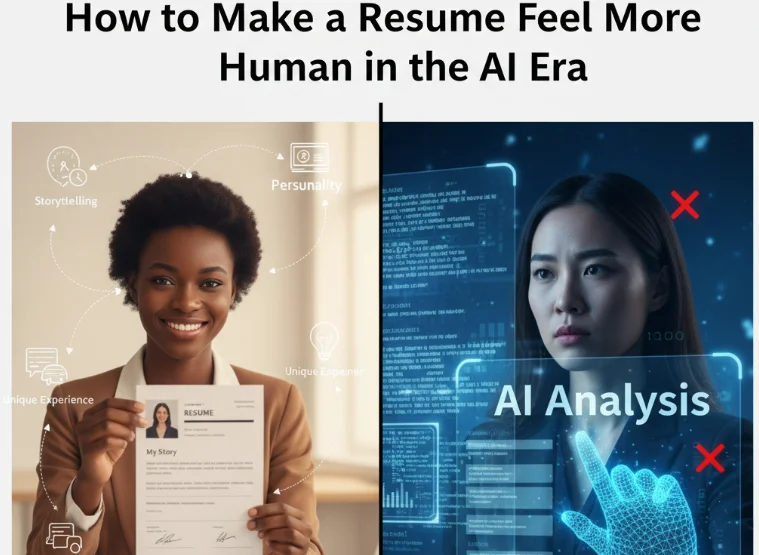
The world of resume design is undergoing a major transformation as artificial intelligence becomes deeply embedded in hiring systems. What was once a purely visual document designed to impress human recruiters is now a hybrid communication tool that must satisfy both AI algorithms and human decision making.
In an AI driven hiring market, resumes are no longer just static summaries of experience. They are structured data documents, storytelling tools, and digital identity signals that must perform across automated screening systems, skills based evaluation models, and human review processes.
This shift is fundamentally changing how resumes are designed, formatted, and optimized for success.
How AI Is Reshaping Hiring
Evolution of ATS Systems
Applicant Tracking Systems have evolved significantly from simple keyword matching tools into intelligent systems capable of understanding context, career progression, and skill relevance.
Modern systems now evaluate:
- Skill alignment with job descriptions
- Depth of experience in relevant areas
- Consistency in career growth
- Context of achievements and outcomes
This evolution means resumes must be more structured and meaningful rather than artificially optimized.
AI Resume Screening and Ranking
AI powered hiring systems increasingly rank candidates rather than simply filtering them. This means resumes are scored based on relevance, clarity, and demonstrated ability.
AI systems analyze:
- Semantic meaning of experience
- Skill depth and diversity
- Project based evidence
- Language clarity and structure
This reduces the effectiveness of traditional formatting tricks and increases the importance of clear, structured content.
The Shift in Resume Design Philosophy
From Visual Design to Structured Clarity
In the past, resume design often focused heavily on visual appeal. Fancy layouts, graphics, and complex formatting were used to stand out.
In the AI era, clarity and structure are more important than visual complexity.
Modern resume design prioritizes:
- Simple and readable formatting
- Standardized section headings
- Logical information flow
- Clean text based structure
Overly designed resumes are becoming less effective due to AI parsing limitations.
Data Driven Resume Formatting
Future resume design is becoming increasingly data driven. Instead of focusing only on aesthetics, resumes are now structured to improve machine readability and ranking performance.
This includes:
- Keyword relevance based on job descriptions
- Skills clustering and categorization
- Quantified achievements
- Consistent formatting patterns
The goal is to create resumes that perform well in both AI systems and human evaluation.
Skills First Layouts
One of the biggest design shifts is the move toward skills first resume layouts.
Instead of starting with job history, modern resumes often highlight:
- Core competencies
- Technical and soft skills
- Relevant expertise clusters
- Key achievements linked to skills
This helps AI systems and recruiters quickly identify role fit.
Future Resume Design Features
Interactive and Dynamic Resumes
The future of resume design is moving beyond static documents into interactive digital experiences.
These may include:
- Clickable project demonstrations
- Embedded videos and case studies
- Live dashboards of work performance
- Interactive timelines of experience
This allows employers to explore a candidate’s work more deeply than a traditional resume allows.
Verified Skills and Credentials
AI driven hiring systems are pushing toward verified skill validation. Instead of self reported skills, future resumes may include:
- Blockchain verified certifications
- Tested skill assessments
- Performance based credentials
- Third party validation badges
This reduces hiring uncertainty and improves trust in candidate profiles.
AI Personalized Resume Generation
AI is increasingly being used to automatically tailor resumes for specific job applications.
Future systems will:
- Rewrite resumes based on job descriptions
- Highlight most relevant skills dynamically
- Adjust tone and structure for industries
- Optimize for specific ATS systems
This will make resumes more adaptive and job specific.
Seamless Portfolio Integration
Modern resume design is becoming tightly integrated with digital portfolios.
Instead of separating resumes and portfolios, future systems will combine:
- Resume summaries
- Live project showcases
- Code repositories or design samples
- Professional achievements and metrics
This creates a complete professional identity rather than a standalone document.
What Modern Resume Design Will Prioritize
Future resume design will focus less on decoration and more on effectiveness.
Key priorities include:
- AI readable structure
- Clear skill mapping
- Quantified achievements
- Natural language clarity
- Cross platform compatibility
The emphasis is shifting toward functionality and impact rather than visual complexity.
Design Mistakes That Will Become Obsolete
As resume technology evolves, several outdated design practices are becoming irrelevant or harmful.
These include:
- Overly graphic heavy layouts that confuse AI parsing
- Keyword stuffing without context
- Strict one page limitations
- Generic objective statements
- Non structured job descriptions
These approaches reduce performance in modern hiring systems.
Impact on Job Seekers and Careers
The evolution of resume design is changing how job seekers approach career development. Professionals must now think beyond static documents and focus on building dynamic career identities.
This shift encourages:
- Continuous skill development
- Portfolio based proof of work
- Personal branding across platforms
- Data driven career storytelling
Candidates who adapt to these changes will have a stronger advantage in competitive job markets.
Conclusion
The future of resume design in an AI driven hiring market is defined by structure, clarity, and adaptability. As AI systems become more advanced, resumes must evolve from static visual documents into intelligent, skills based, and interactive career representations.
Design is no longer just about appearance. It is about how effectively a resume communicates value to both machines and humans. Clean structure, verified skills, measurable achievements, and portfolio integration will define the next generation of resume design.
Professionals who embrace this shift will be better positioned to succeed in a hiring landscape that values clarity, evidence, and adaptability over traditional formatting conventions.