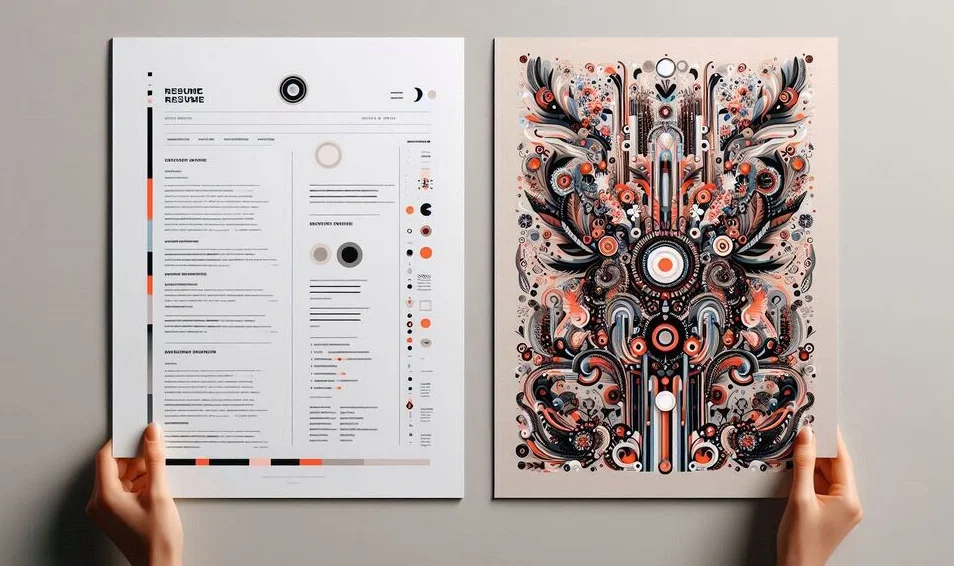
When it comes to creating a resume that stands out, design plays a crucial role in capturing the attention of hiring managers. One of the biggest decisions you’ll face is choosing between two popular design styles: minimalist and maximalist. Both styles have their advantages and disadvantages, depending on your personal brand, industry, and career goals. In this blog post, we’ll explore the pros and cons of each design style, and help you decide which one is right for your resume.
Introduction
In the competitive world of job hunting, your resume is often the first impression you’ll make on potential employers. A well-designed resume can make a significant difference in whether or not you get noticed. The two main design trends that have emerged are minimalist and maximalist styles. While both are visually striking, they cater to different needs, preferences, and industries. Minimalist resumes prioritize simplicity, focusing on clean lines, ample white space, and a no-frills approach. In contrast, maximalist resumes embrace bold fonts, color, and intricate layouts to showcase creativity and personality.
What is Minimalist Resume Design?
Minimalist resume design is characterized by simplicity, clarity, and a focus on the essentials. The goal is to present your qualifications and experience in the most straightforward, easy-to-read manner possible. A minimalist resume usually has a clean, uncluttered look with a lot of white space, simple typography, and limited color use. This design approach is especially effective for roles where professionalism, attention to detail, and clear communication are key.
Structure of a Minimalist Resume
A minimalist resume typically features a clear structure with the following elements:
- Header with name and contact information
- Brief summary or objective statement
- Professional experience, listed in reverse chronological order
- Education and relevant certifications
- Skills section
With minimalist design, less is more. It avoids heavy use of images, colors, or distracting elements. The focus remains solely on the content.
What is Maximalist Resume Design?
Maximalist resume design embraces complexity and creativity. It focuses on making a statement with bold visuals, colors, and dynamic layouts. This design style is often used by those in creative industries such as graphic design, marketing, and media, where standing out visually can help make an impression. Maximalist resumes feature more intricate typography, vibrant color schemes, and creative use of space to showcase a candidate's personality and creativity. These resumes may also include icons, infographics, or unique formatting to highlight skills and achievements in visually appealing ways.
Structure of a Maximalist Resume
A maximalist resume typically includes:
- Vibrant colors, patterns, or textures to enhance visual appeal
- Creative use of fonts and typography to make sections stand out
- Iconography or infographics to represent skills and experience
- Personal branding elements such as logos or personal color schemes
This design style is more suitable for those in industries where a strong visual presence is valued. It’s about making an impact and showing personality through your resume.
Minimalist vs. Maximalist: A Comparison
When choosing between a minimalist or maximalist resume, it’s essential to understand the strengths and weaknesses of each design approach. Below is a comparison of both styles in key areas:
- Visual Appeal: Minimalist design offers a clean, professional, and easy-to-read look, while maximalist design is more vibrant, bold, and creative.
- Industry Suitability: Minimalist resumes are perfect for corporate, legal, tech, and finance jobs. Maximalist resumes shine in creative industries like design, marketing, and media.
- Readability: Minimalist resumes are highly readable and easy to scan. Maximalist resumes, with their creative layouts, might be harder to read quickly.
- Space Usage: Minimalist resumes use white space strategically to give a clean look, while maximalist resumes use space creatively to showcase information with visual flair.
- Creativity: Minimalist resumes limit creative elements, focusing on professionalism. Maximalist resumes encourage creativity and can visually demonstrate a candidate's personality.
Which Style Works Best for You?
Choosing between a minimalist or maximalist resume depends on several factors, such as your industry, the job role, and your personal preferences.
When to Choose a Minimalist Resume
If you're applying for positions in fields such as law, finance, or technology, a minimalist resume may be the best choice. These industries prioritize professionalism and clear communication. Minimalist design ensures that the content remains the focus, and the simplicity of the design is well-suited to these fields' conservative nature.
When to Choose a Maximalist Resume
If you’re in a creative field like graphic design, marketing, or media, a maximalist resume can help showcase your personality and creativity. This style allows you to use your resume as a portfolio, displaying your design skills and personal branding while still providing the necessary information to demonstrate your qualifications.
Conclusion
Both minimalist and maximalist resume designs have their place in the job market, and the best choice ultimately depends on your industry and career aspirations. Minimalist resumes are ideal for traditional industries that value simplicity and professionalism, while maximalist resumes are perfect for creative roles that require bold expression and visual flair. Whatever design style you choose, remember that your resume should clearly communicate your qualifications while reflecting your personal brand. Choose wisely, and ensure that your resume works to your advantage in landing your next job opportunity.