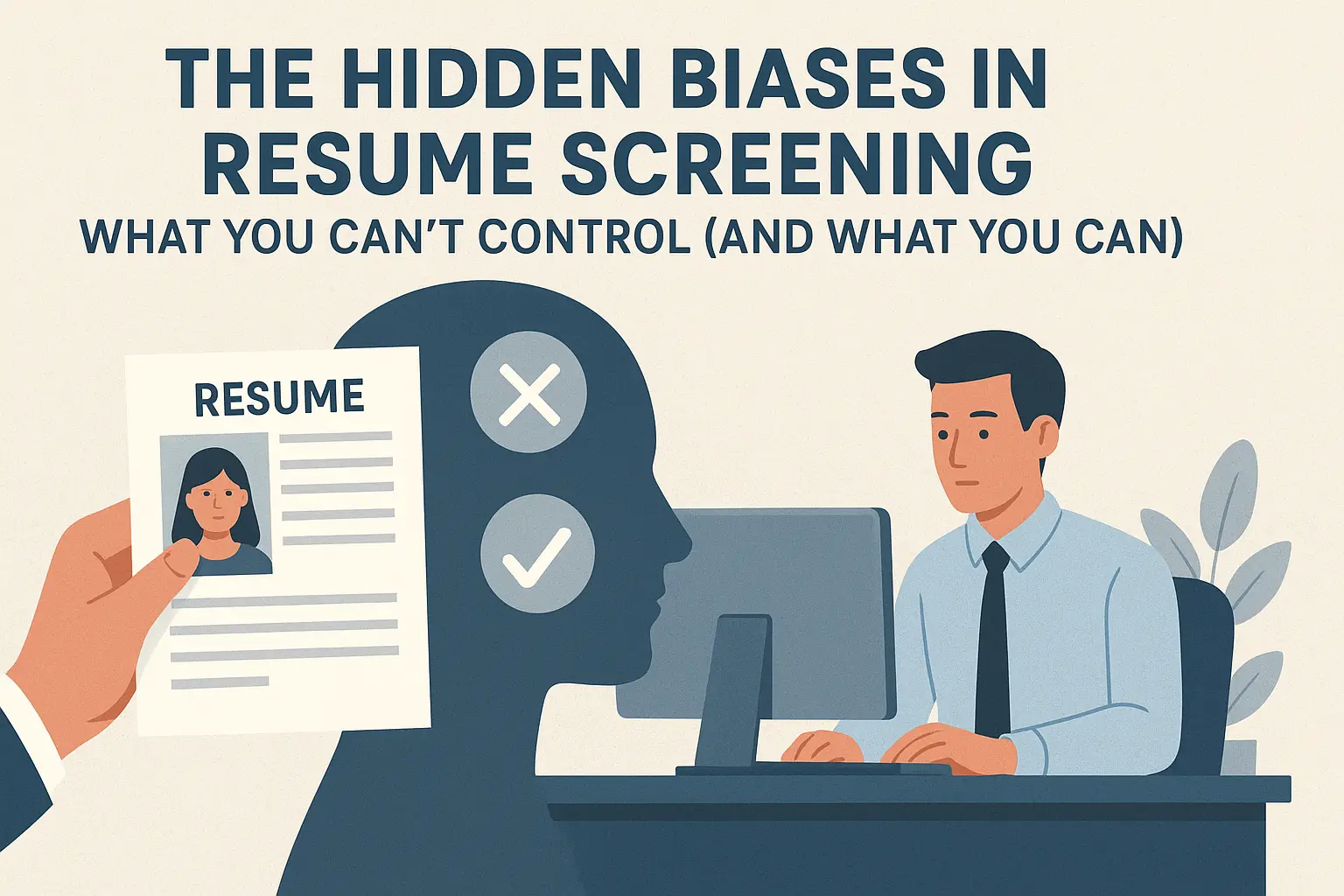
In today’s competitive job market, hidden biases in resume screening can drastically impact your chances of landing an interview. Understanding these biases and learning how to navigate them is crucial for job seekers who want to maximize their success.
Introduction
Many applicants assume the best-qualified candidates get selected purely on merit. However, unconscious biases often influence resume screening, affecting who moves forward in the hiring process. This article explores these biases and offers actionable advice for job seekers to overcome them.
Understanding Hidden Biases
Types of Bias in Resume Screening
Hidden biases come in many forms during resume review. Some common types include:
- Name Bias: Candidates with ethnically distinctive names may face discrimination.
- Gender Bias: Assumptions about gender roles can unfairly advantage or disadvantage applicants.
- Age Bias: Older or younger candidates might be judged unfairly based on perceived fit or experience.
- Education and Institution Bias: Preference for certain schools or degrees regardless of skills.
- Employment Gap Bias: Gaps in work history often trigger assumptions about commitment or reliability.
Recognizing these biases is the first step toward reducing their impact on your job search.
How Bias Affects Candidate Selection
Biases can lead to qualified candidates being overlooked, reducing diversity and innovation in the workplace. Research shows that anonymized resumes—those removing names and other identifying info—increase callback rates for underrepresented groups by up to 30%.
Automated Applicant Tracking Systems (ATS) may also unintentionally amplify bias by prioritizing keywords tied to specific demographics or backgrounds.
Practical Strategies for Job Seekers
Optimizing Your Resume to Beat Bias
While you can’t control others’ biases, you can strategically format your resume to reduce their influence:
- Use a Skills-Based Format: Highlight relevant skills and achievements over education or dates.
- Remove Identifiers: Avoid including information like your photo, date of birth, or gender pronouns.
- Focus on Quantifiable Results: Use metrics and STAR (Situation, Task, Action, Result) bullets to showcase impact.
- Customize for ATS: Use keywords from the job description but avoid keyword stuffing.
- Add a Projects Section: Demonstrate practical experience and skills through project highlights, especially if career changes or gaps exist.
Leveraging Networks and Referrals
Bias in resume screening can be bypassed by networking:
- Build Genuine Connections: Attend industry events and engage on LinkedIn to expand your circle.
- Seek Employee Referrals: Referred candidates often receive preferential consideration, bypassing initial resume biases.
- Use LinkedIn Proof: Link to endorsements, projects, and recommendations that validate your skills beyond the resume.
The Role of Technology in Bias
Applicant Tracking Systems (ATS) and AI-powered screening tools aim to streamline hiring but can embed bias if trained on biased data. Some companies now use anonymized screening software to mitigate human bias. Understanding how these systems work helps job seekers tailor applications effectively while advocating for fair hiring practices.
Final Tips
To combat hidden biases, focus on what you can control: tailor your resume for clarity and impact, eliminate personal identifiers, and invest time in networking and referrals. Stay informed about evolving hiring technologies and advocate for inclusive hiring practices. Remember, persistence and strategic application increase your odds of breaking through biased screening.