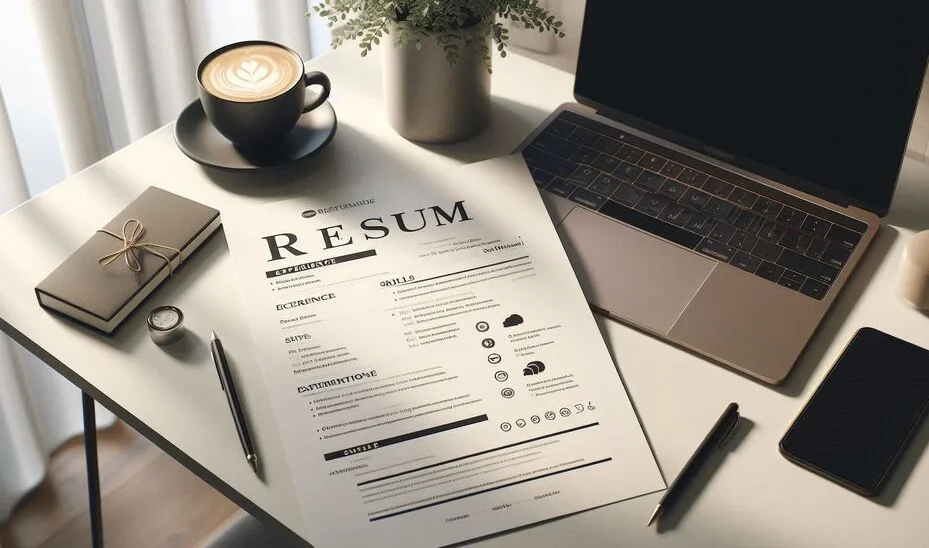
When it comes to resume design, achieving the right balance between minimalism and personality is key. A resume that’s too simple may come across as generic, while one that’s too flashy can appear unprofessional. The goal is to create a resume that is clean, professional, and easy to read, while still conveying your unique qualities and personal style. In this post, we’ll explore how to balance minimalism with personality in resume design and provide you with tips on how to strike the perfect balance.
Understanding Minimalism in Resume Design
Minimalism in design is about stripping away unnecessary elements to create a clean, organized, and focused layout. When applied to a resume, minimalism emphasizes clarity, efficiency, and professionalism. The goal is to present the most important information in a way that’s easy to scan and digest, while avoiding unnecessary distractions. Let’s explore the principles of minimalism and why it works so well for resumes.
The Principles of Minimalism
At its core, minimalism is about simplicity. In a resume, this means:
- Clear structure: Each section should be well-defined and easy to navigate.
- Clean typography: Choose legible, professional fonts and avoid overcrowding the page with text.
- Effective use of whitespace: Allow your resume to breathe by creating appropriate spacing between sections and text.
- Eliminating unnecessary graphics: Avoid overuse of icons, colors, or design elements that do not add value to your content.
Why Minimalism Works for Resumes
Minimalism works particularly well for resumes because it prioritizes clarity and readability. Recruiters often spend only a few seconds reviewing each resume, so making sure your information is clear and easy to read is critical. A minimalist design ensures that your resume doesn’t overwhelm the reader and that the key details - such as your experience, skills, and qualifications - stand out. Additionally, minimalism conveys professionalism and sophistication, which are traits highly valued in most industries.
Adding Personality to Your Resume
While minimalism is important, you don’t want your resume to feel bland or impersonal. A resume without personality might fail to stand out in a crowded job market. Adding personal touches can help you express who you are, what you’re passionate about, and what makes you unique. But how do you show personality while still maintaining a professional and minimalist design?
Subtle Ways to Show Personality
The key to adding personality without overwhelming the minimalist design is subtlety. Here are some ways to inject personality into your resume without going overboard:
- Custom colors: Use a small amount of color such as a subtle accent color for headings or borders to give your resume a unique touch while maintaining a professional feel.
- Personalized fonts: Choose a professional but unique font that fits your personal style. A slightly less conventional font for headings can give a distinctive feel without sacrificing professionalism.
- Creative section headers: Instead of traditional section titles like “Experience” or “Education,” consider using slightly more creative titles like “What I’ve Done” or “My Journey.” Just be careful not to go too far off the beaten path.
Choosing the Right Elements for Personality
Not all design elements contribute to personality in a productive way. Here’s how to select the right ones:
- Profile Summary: A well-crafted summary or personal statement at the top of your resume can be a great way to show a bit of personality. This section allows you to briefly share what motivates you, your career aspirations, or your unique value.
- Skills and Achievements: Highlighting skills or achievements that are closely tied to your personal interests or passions can give insight into your character. For example, mentioning a volunteer project you’re passionate about shows both your personality and your values.
- Portfolio or Personal Website: If applicable, including links to a personal website, portfolio, or LinkedIn profile allows you to express more of your personality and provide a fuller picture of who you are outside the resume.
How to Strike the Right Balance
Now that we’ve covered minimalism and adding personality, let’s talk about how to strike the right balance between the two. Here’s how you can ensure that your resume is professional yet showcases who you are.
Maintaining Professionalism
While personality is important, professionalism should always come first. Remember that your resume is a business document, and everything you include should enhance your credibility. Avoid going overboard with design elements or choosing overly casual language. The right balance will allow your personality to shine without compromising the professionalism of your resume.
Understanding Your Industry
Different industries have different expectations for resume design. Creative fields like graphic design or marketing may allow for more personality in the design, while more conservative industries like law or finance may require a more traditional, minimalist approach. Research the norms for your industry and adjust your resume accordingly. In creative fields, you can afford to add more personal touches, but in more traditional industries, a minimalist and polished design is key.
Examples of Balanced Resumes
There are many ways to achieve the balance between minimalism and personality in resume design. Some examples include:
- A resume that uses a clean, black-and-white design with a pop of color for headings or borders.
- A resume that uses subtle typography to create a sense of individuality while maintaining readability.
- A resume that includes a concise personal statement or portfolio link to showcase personality without cluttering the layout.
Conclusion
Balancing minimalism with personality in resume design is essential for creating a document that is both professional and engaging. By focusing on clean structure, strategic use of whitespace, and adding subtle personal touches, you can craft a resume that stands out without overwhelming the reader. Remember to tailor your approach to your industry, and always prioritize professionalism. With these tips, you’ll create a resume that highlights your qualifications while showcasing the best version of yourself.