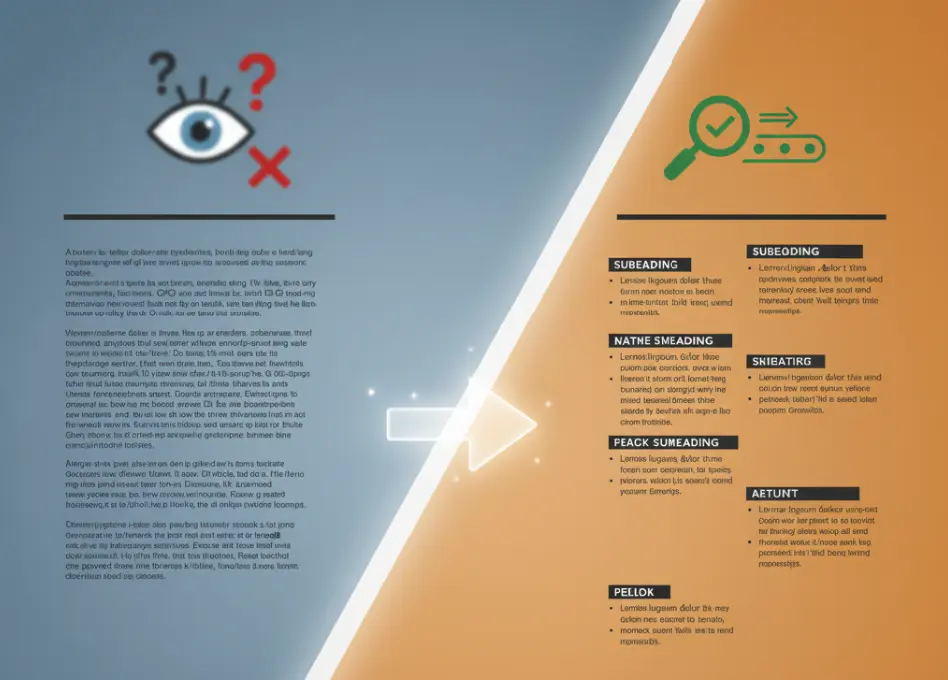
Writing effective job descriptions on a resume requires balancing detail with clarity. Recruiters often review dozens or even hundreds of resumes in a short period of time, which means information must be organized in a way that allows quick scanning. One strategy some professionals use is adding subheadings inside job descriptions to categorize different responsibilities or achievements. While this approach can improve organization in certain cases, it must be used carefully to maintain readability and compatibility with common resume formats. Understanding when and how to use subheadings within job descriptions helps candidates present complex work experiences more clearly without overwhelming recruiters.
What Are Subheadings in Resume Job Descriptions
Definition of Resume Subheadings
Subheadings in job descriptions are small category labels placed within a specific role section to group related responsibilities or achievements. Instead of presenting all bullet points in one continuous list, the candidate divides them into smaller sections based on themes such as leadership, project management, operational improvements, or technical contributions.
These subheadings act as organizational markers that help readers quickly understand the different types of work performed within a role.
Purpose of Using Subheadings
The purpose of subheadings is to make complex work experience easier to understand. Some roles involve a wide variety of responsibilities across different areas such as strategy, operations, and analytics. Without structure, these responsibilities may appear as a long list of unrelated bullet points.
Subheadings help group similar tasks together so recruiters can quickly recognize patterns in a candidate contributions.
Benefits of Using Subheadings Inside Job Descriptions
Improved Readability for Recruiters
Recruiters often scan resumes quickly to identify relevant experience. Subheadings can improve readability by breaking large blocks of information into smaller, organized sections. This structure allows hiring managers to locate relevant achievements faster without reading every bullet point in detail.
Better Organization of Achievements
Grouping accomplishments by category helps candidates present their work more strategically. For example leadership achievements can be separated from operational improvements or technical contributions. This organization highlights the different ways a candidate added value in a role.
When accomplishments are grouped effectively, recruiters gain a clearer understanding of the candidate professional strengths.
Highlighting Different Types of Contributions
Many professionals perform diverse responsibilities that influence different aspects of a business. Subheadings allow candidates to emphasize these different contributions. For instance a product manager might separate responsibilities related to product strategy, customer research, and product launch execution.
This structure helps hiring managers quickly see how the candidate impacted multiple areas of the organization.
When Subheadings Work Best in Job Descriptions
Complex or Multi Responsibility Roles
Subheadings are particularly useful in roles that involve several distinct areas of responsibility. Senior positions often include leadership, operational management, strategic planning, and cross functional coordination. Organizing achievements into categories can make these responsibilities easier to understand.
Long Tenure Positions
Candidates who spent many years in a single organization often accumulated a wide range of accomplishments. Subheadings allow them to present these achievements in structured groups rather than a long chronological list.
This approach can highlight career progression and evolving responsibilities within the same role.
Project Focused Positions
Professionals who worked on multiple projects may benefit from organizing achievements around project categories. For example software engineers or consultants may group contributions based on different systems, products, or initiatives.
How to Use Subheadings Effectively
Choose Clear Category Labels
Subheadings should be short and descriptive. Labels such as leadership impact, operational improvements, project delivery, or technical development clearly indicate the type of work being described. Clear labels help recruiters quickly understand the context of each group of achievements.
Avoid Too Many Subsections
While subheadings can improve organization, too many categories may make the resume appear cluttered. Each role should only contain a few meaningful sections. The goal is to simplify information rather than add unnecessary complexity.
Maintain Consistent Formatting
Consistency is important for readability. If one role includes subheadings, the formatting should remain consistent across other roles where appropriate. Consistent formatting creates a more professional and polished appearance.
Applicant Tracking System Considerations
Many organizations use applicant tracking systems to screen resumes before they reach recruiters. These systems scan text to identify keywords related to job descriptions. Simple formatting usually works best for these systems.
When using subheadings candidates should ensure that the structure remains text based and easy for scanning software to interpret. Avoid excessive formatting elements that may interfere with keyword recognition.
Common Mistakes When Using Subheadings
One common mistake is over organizing information. Adding too many subheadings can create visual clutter and make the resume harder to read. Another mistake is using vague labels that do not clearly describe the content of the section.
Some candidates also repeat the same type of bullet points under different headings, which reduces the effectiveness of the structure. Each subsection should highlight a distinct area of contribution.
Conclusion
Subheadings can be a useful tool for organizing complex job descriptions on a resume. When used thoughtfully they improve readability, group related achievements, and highlight different areas of professional impact. However they should be applied selectively and with clear structure to avoid unnecessary complexity. Candidates should focus on clarity, concise labeling, and consistent formatting so that recruiters can quickly understand their experience. The ultimate goal of resume formatting is not creativity but communication, ensuring that professional achievements are easy to scan and immediately relevant to the target role.